History of Orsini-Colonna Castle
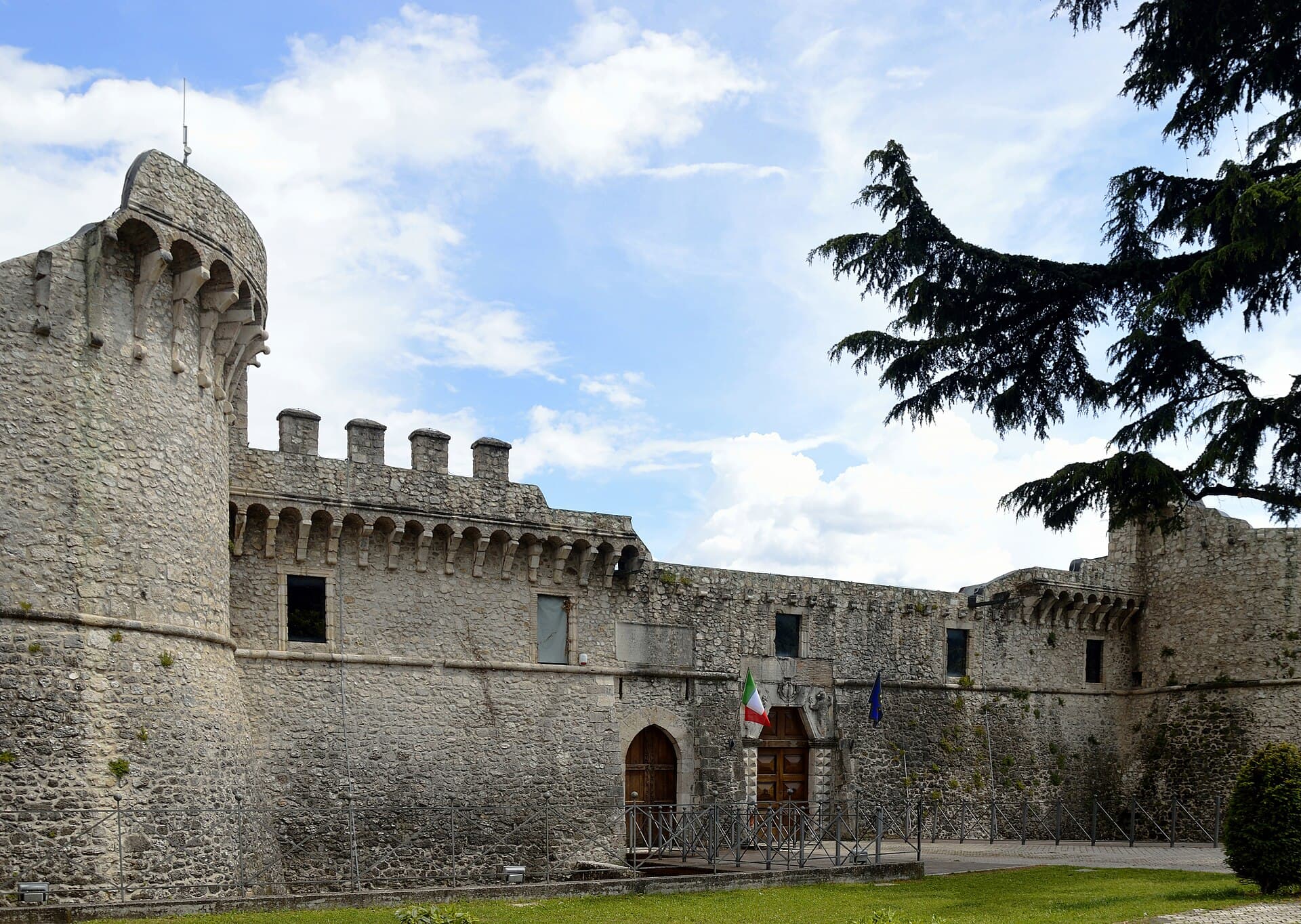
Orsini-Colonna Castle stands as a layered monument to power in central Italy. Its origins trace to a 13th-century fortress built to guard the strategic route between Rome and the Adriatic. The Orsini family expanded and fortified the structure in the 1400s, adding defensive towers and thick walls. In the 16th century the Colonna family took ownership and transformed parts of the castle into a Renaissance residence while preserving its military character. Earthquakes in 1915 and 2009 damaged the building, yet careful restoration has kept the original stonework and vaulted halls intact.
What to See and Do
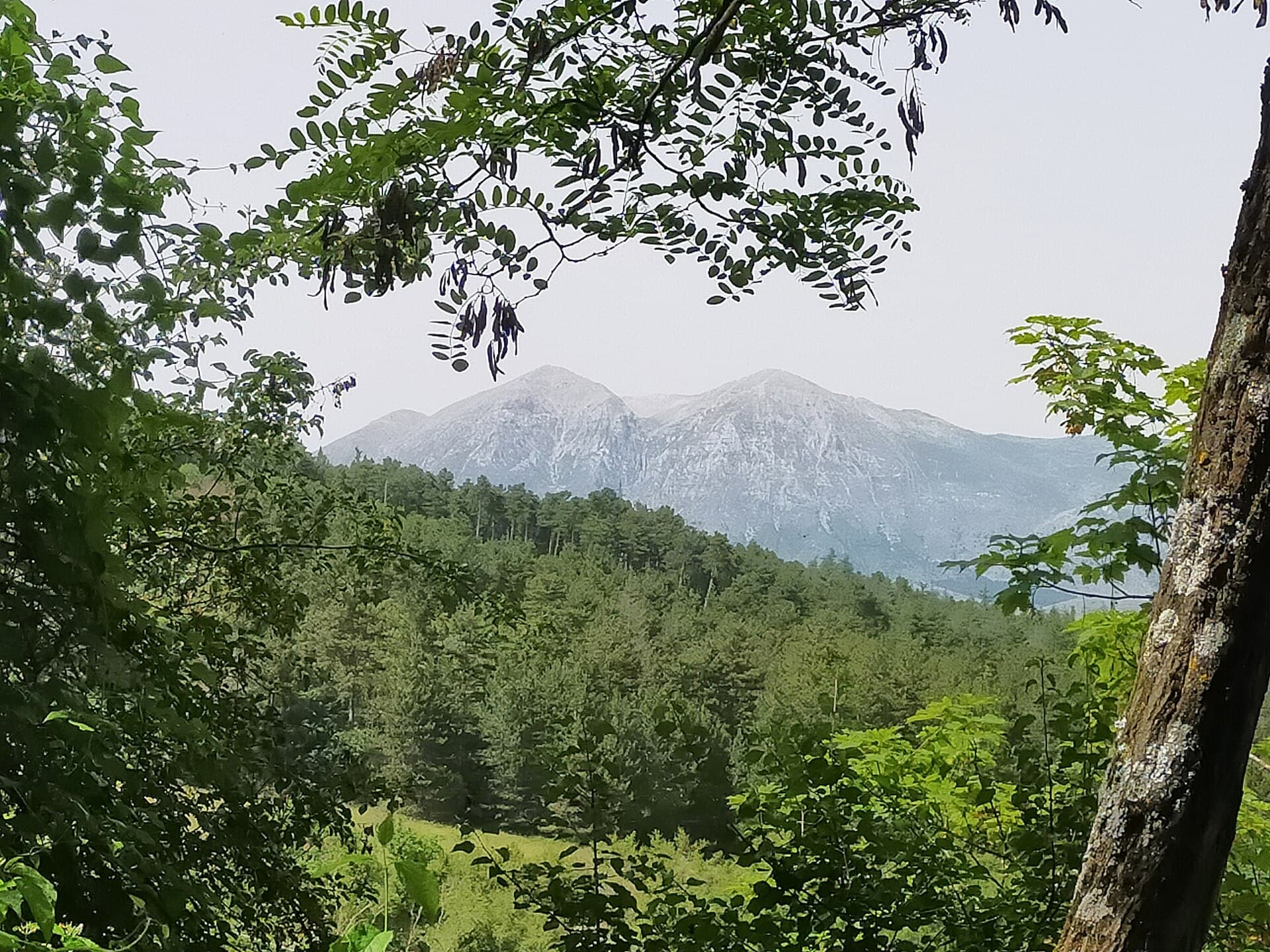
Visitors enter through a massive arched gateway into a courtyard framed by crenellated walls. Inside, the main attractions include the frescoed reception rooms commissioned by the Colonna, a small museum displaying local archaeological finds, and the upper battlements that offer sweeping views across the drained Fucino basin toward the Apennines. The castle also hosts occasional cultural events that highlight Abruzzo’s medieval heritage without altering its historic fabric.
Getting There
Avezzano lies on the Rome–Pescara railway line, with the castle a 15-minute walk from the station. Drivers can reach the site via the A25 motorway, exiting at Avezzano and following signs toward the historic center. Limited parking is available near the entrance, though arriving early avoids congestion during peak seasons.
Best Time to Visit
Spring and early autumn provide the most comfortable temperatures for exploring the battlements and courtyard. Summer brings longer daylight hours but hotter afternoons; winter visits are quieter and reveal the castle’s stark stone architecture against snow-capped peaks, though some interior spaces may close during severe weather.
Nearby Attractions
Combine a castle visit with the nearby Fucino Plain, once Italy’s largest lake and now a fertile agricultural basin. The town of Celano, 20 minutes away, features another impressive castle and the striking Santa Maria in Valle church. Further afield, the Abruzzo National Park offers hiking trails through beech forests and wildlife reserves.