Why the Chilkat River Draws Visitors Year After Year
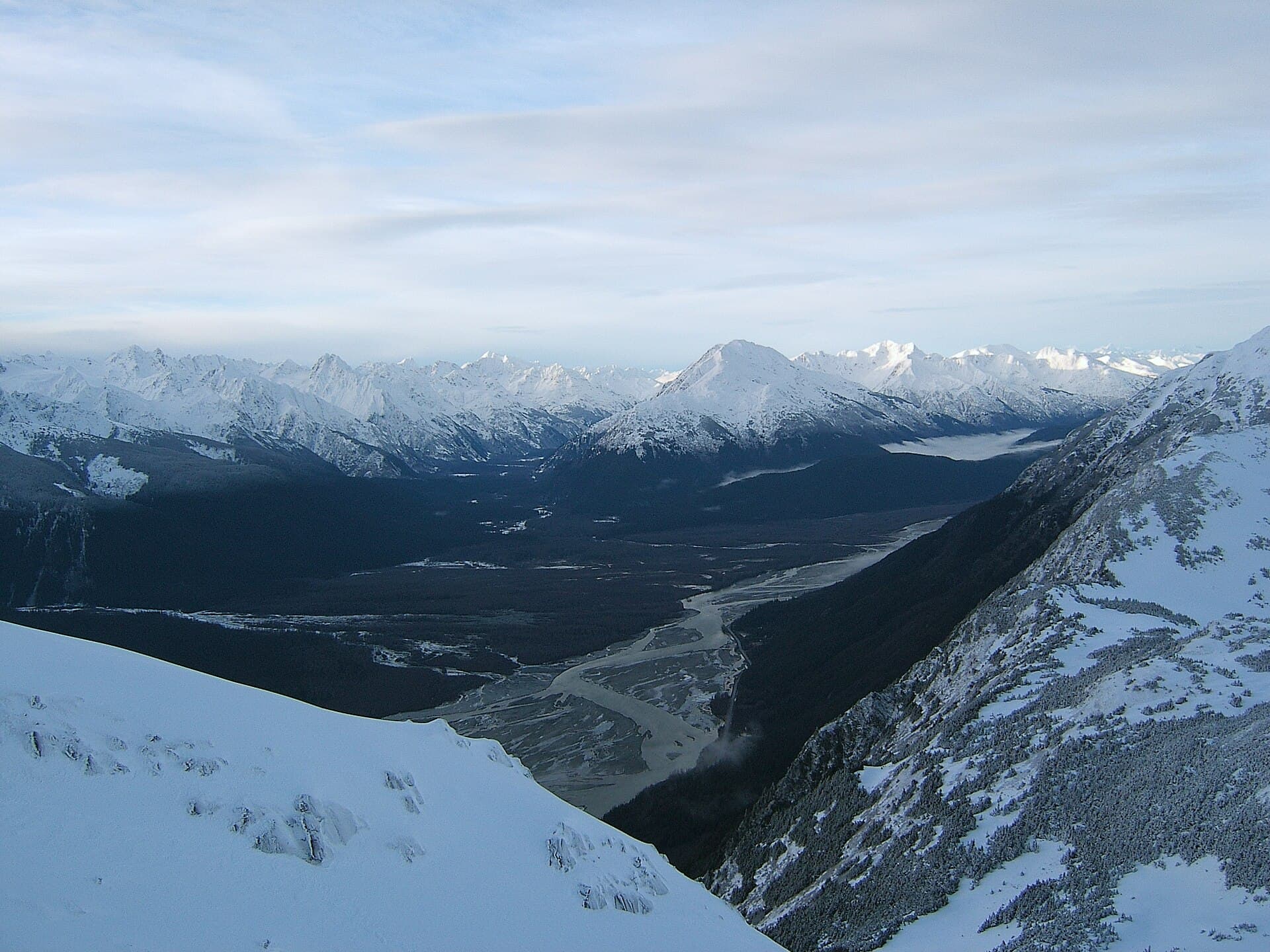
The Chilkat River begins in the high peaks of British Columbia and flows northwest into Alaska, creating a broad, braided valley that supports one of the continent’s largest concentrations of bald eagles. Its late salmon runs keep hundreds of birds fed well into winter, while the surrounding rain-shadow forests and wetlands host grizzlies, moose, and spawning salmon visible from river level.
Wildlife Viewing and River Activities
Eagle Watching
From late October through February, thousands of bald eagles gather along the Chilkat River near Klukwan. Float trips drift past cottonwood roosts where birds perch shoulder-to-shoulder. Photographers favor the low winter light that turns eagle feathers golden against snow-dusted mountains.
Summer Rafting and Kayaking
From June through August, Class I-II sections offer gentle floats suitable for families. Guides point out sockeye and chum salmon migrating upstream; anglers can target Dolly Varden and king salmon under strict catch-and-release rules in Canadian waters.
Hiking and Shoreline Exploration
Short trails from the riverbanks lead into the Chilkat River Valley, where boardwalks cross tidal flats and old-growth spruce. Look for bear tracks in the mud and spawning salmon in side channels.
Getting There
Most visitors reach the river via Haines, Alaska, then drive or boat 20–30 minutes north to Canadian sections near the border. The Haines Highway parallels the lower river for much of its length, offering pullouts for independent viewing. Travelers arriving from Whitehorse can drive south on the same highway; the border crossing is usually quick for day trips.
Best Time to Visit
October to February delivers peak eagle numbers and dramatic winter scenery. Summer months provide milder weather, longer daylight, and easier access for rafting and fishing. Shoulder seasons in September and March offer fewer crowds and transitional wildlife sightings.
Nearby Places Worth Exploring
Combine a river trip with a visit to the historic town of Haines for art galleries and ferry connections, or continue north into Canada’s Tatshenshini-Alsek Provincial Park for multi-day wilderness rafting. The nearby village of Klukwan preserves Tlingit culture and offers interpretive programs about the river’s importance to local people.