Why Ta Prohm Stands Apart
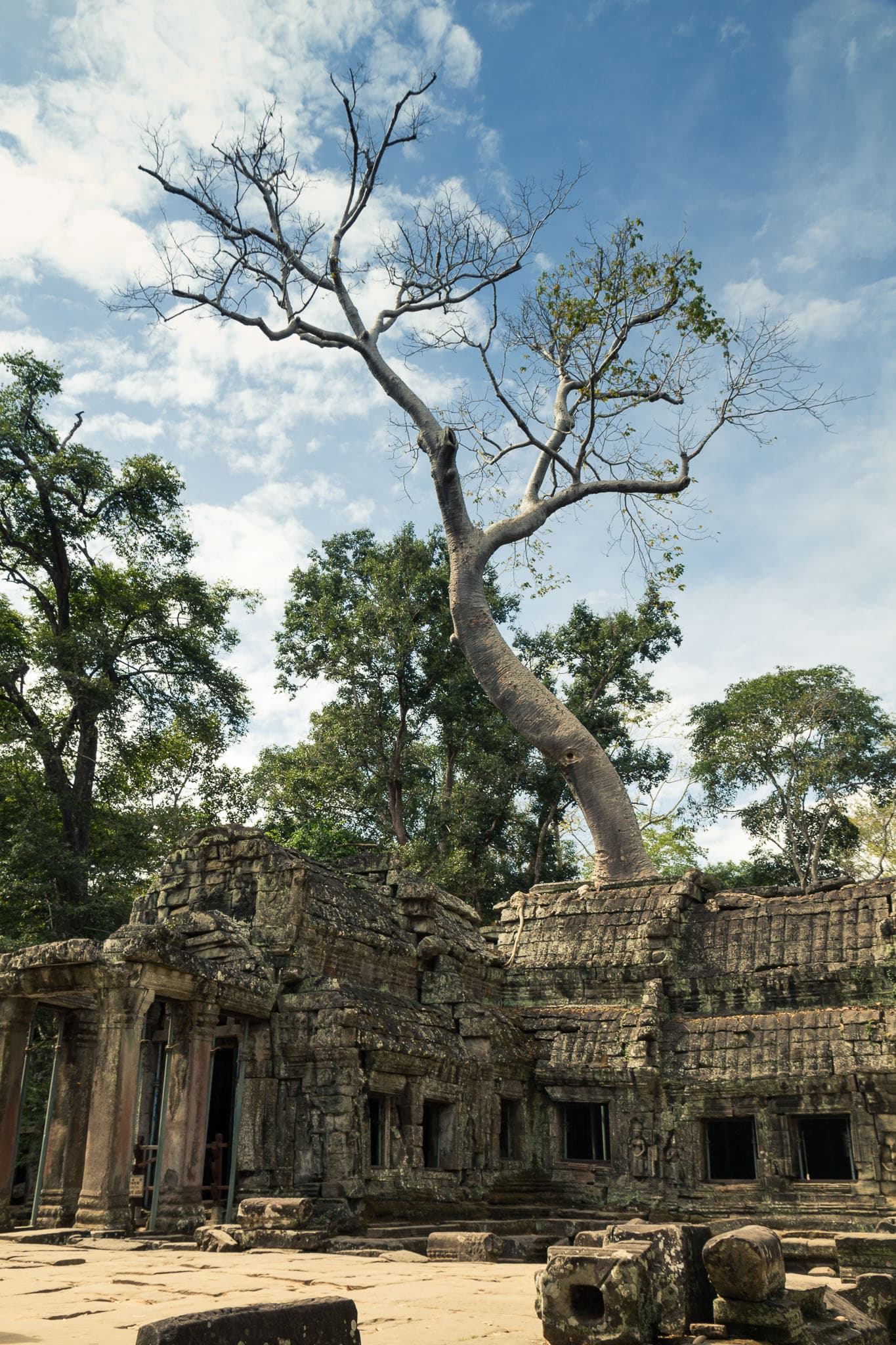
Ta Prohm is the only major Angkor temple deliberately left in a state of partial collapse so that visitors can see how the forest has reclaimed the stone. Enormous roots of kapok and strangler fig trees grip walls, pry apart lintels, and spill across courtyards, creating the signature scene featured in the film Tomb Raider. The contrast between precise Khmer carving and the living roots makes the site feel alive rather than static.
History and Layout
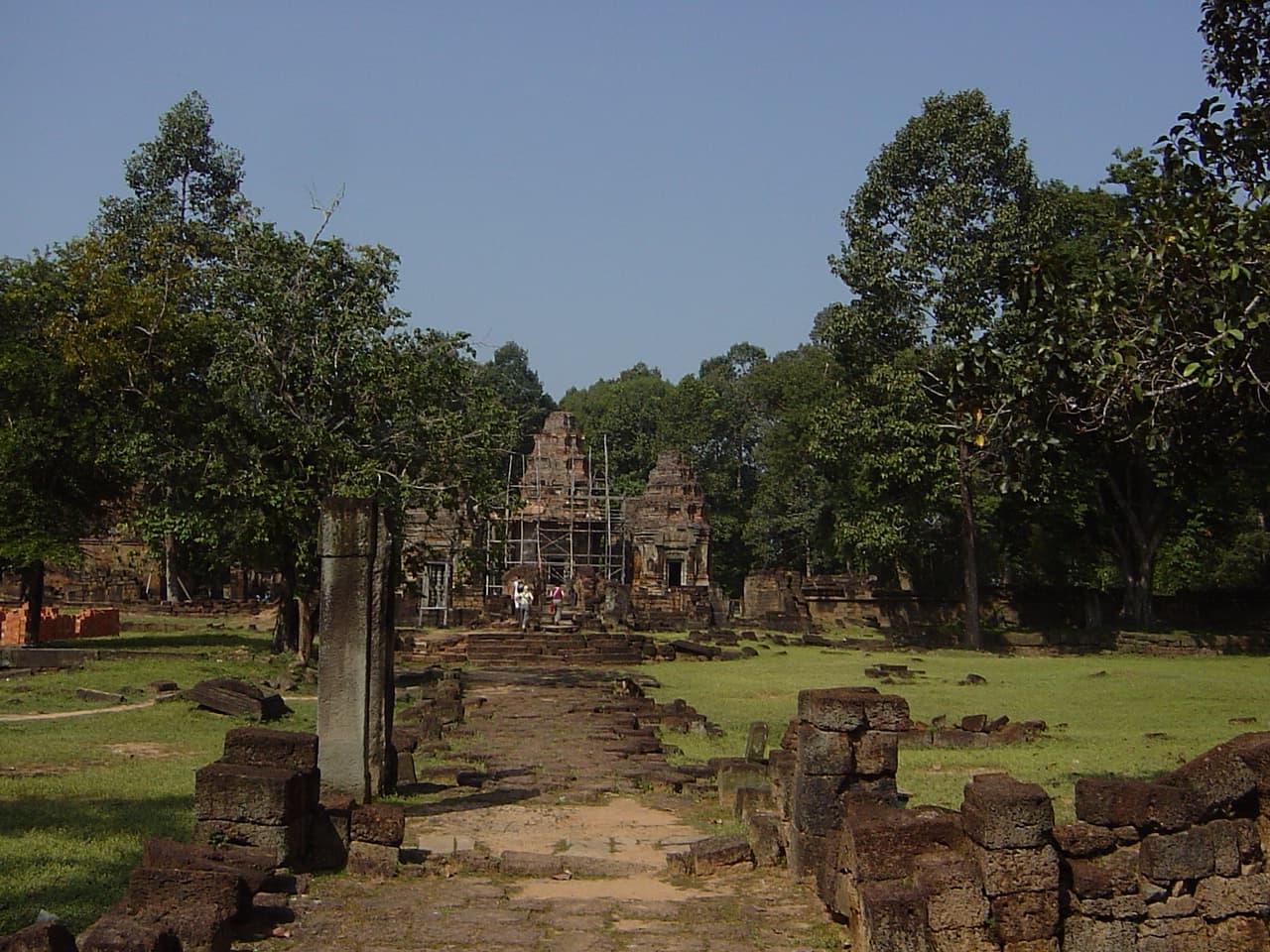
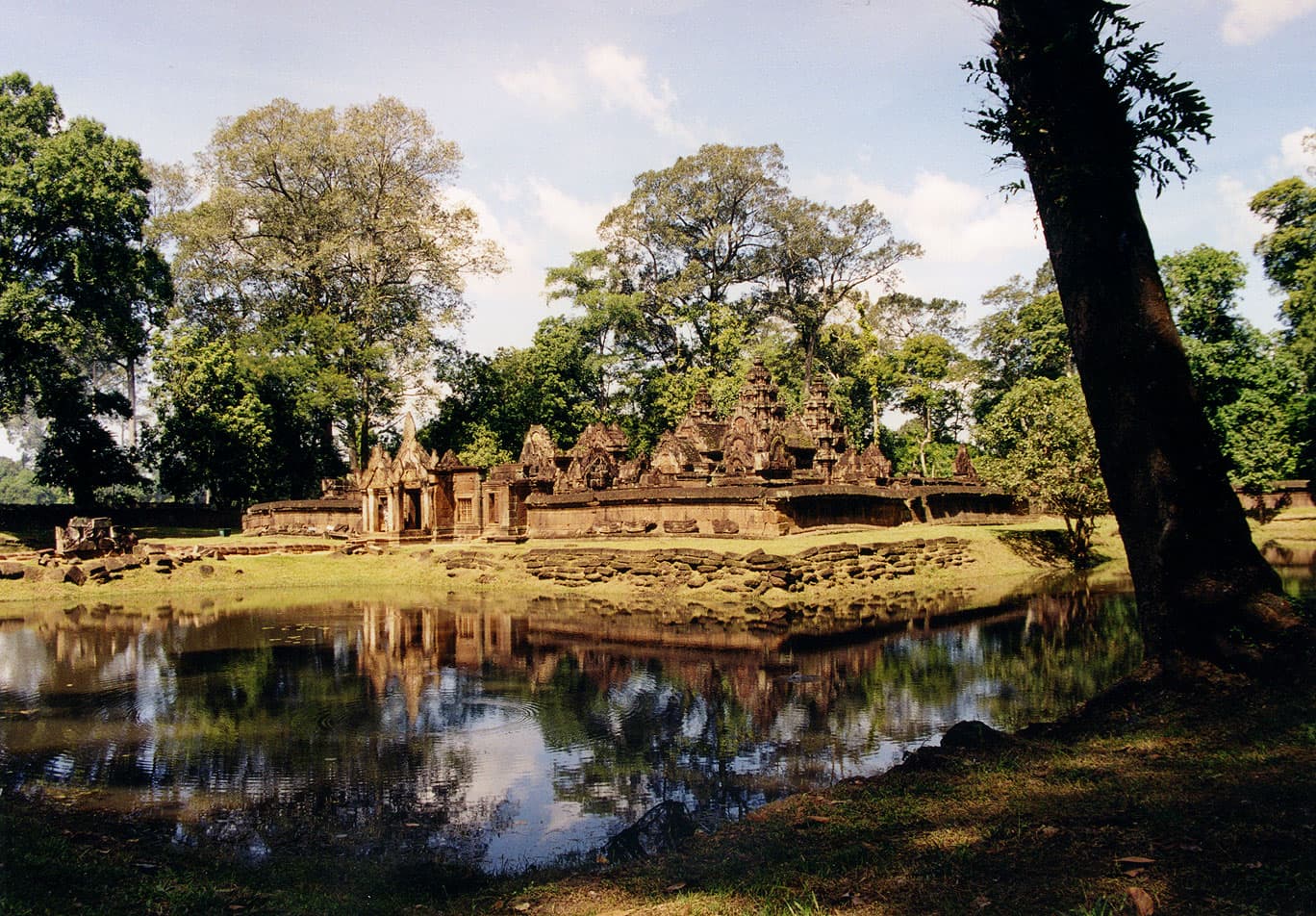
Built in the late 12th century by Jayavarman VII as a Mahayana Buddhist monastery, Ta Prohm once housed more than 12,000 people and stored vast quantities of gold and jewels. The complex follows the classic “temple-mountain” plan with a central sanctuary surrounded by three laterite enclosures. Look for the Hall of Dancers, whose pillars are covered in delicate apsara reliefs, and the “Tomb Raider” tree that grows straight through the eastern gopura of the third enclosure.
Getting There and Practical Access
Ta Prohm lies inside the Angkor Archaeological Park, roughly 16 km north of Siem Reap town. Most visitors arrive by tuk-tuk or shared minibus along the main Angkor road; the ride takes 30–40 minutes. The site has two entrances; the eastern one leads directly to the most photogenic tree-root scenes. Paths are uneven and shaded, so comfortable shoes with good grip are essential. Allow at least 90 minutes to explore without rushing.
Best Time to Visit
The cool, dry months from November to February bring comfortable temperatures and lower humidity, making it ideal for walking among the ruins. Arrive at opening (around sunrise) or in the final two hours before closing to avoid the midday tour groups. The rainy season (June–October) turns paths muddy but also keeps crowds thinner and vegetation lush.
Nearby Sites Worth Combining
After Ta Prohm, continue on the “grand circuit” to Ta Keo, a steep pyramid temple, then Neak Pean, a small island sanctuary set in a reservoir. These three sites together form a logical half-day loop. If time allows, add Preah Khan, another Jayavarman VII temple only a short drive away.
Photography Tips
- Shoot the famous tree from the southeast corner of the third enclosure in early morning light.
- Use a wide-angle lens inside the narrow corridors to emphasize root-and-stone interplay.
- Avoid flash inside the shaded galleries to protect lichen-covered carvings.