Why the Surutú River Draws Visitors
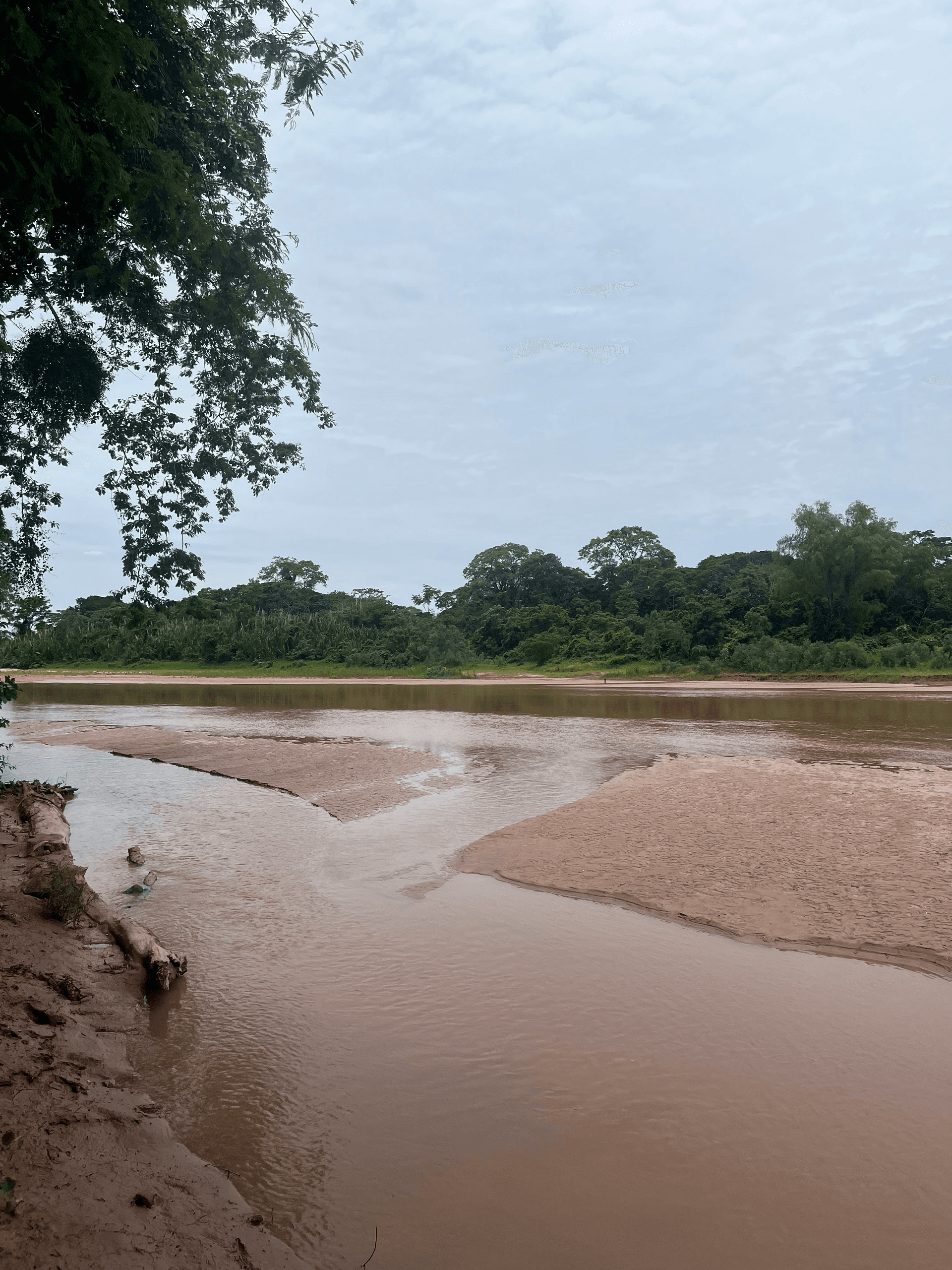
The Surutú flows through the transition zone between the Andean foothills and the Amazonian lowlands of Santa Cruz Department. Its clear, tea-colored water and sandy banks create natural swimming spots that stay refreshing year-round. The surrounding gallery forest supports howler monkeys, capybaras, and more than 300 bird species, making a day on the river feel like an immersion in wild Bolivia rather than a crowded tourist circuit.
Getting There
Most travelers start from Santa Cruz de la Sierra. Take a shared minibus or rented vehicle west on the old Cochabamba road toward Buena Vista, then turn south toward the community of Espejillos or the entrance road to Amboró National Park. The final stretch is a gravel track that crosses the river at a shallow ford; four-wheel-drive vehicles handle it best after rain. Independent drivers should allow three hours one way; organized day tours from Santa Cruz often include transport and a local guide.
Best Time to Visit
The dry season from May to October brings lower water levels, clearer swimming holes, and fewer mosquitoes. November through April sees higher flows that can make the ford impassable and increase the chance of sudden afternoon storms. Early morning visits reward visitors with cooler temperatures and active birdlife before the midday heat builds.
What to See and Do
Popular activities center on the river itself. Visitors wade or float in the deeper pools near the main crossing, watch for kingfishers along the banks, and hike short trails that follow the water upstream into Amboró National Park. Local operators offer gentle kayak or tube floats when water levels permit. Fishing for sábalo and pacú is permitted outside park boundaries with a basic license. The surrounding area also features small waterfalls and limestone outcrops worth exploring on foot.
Nearby Attractions
- Amboró National Park’s western sector, reachable by the same access road, for multi-day hikes to higher elevations.
- The colonial town of Samaipata, two hours farther south, known for the pre-Inca El Fuerte ruins and cloud-forest trails.
- Refugio de Vida Silvestre Ríos Blanco y Negro, a private reserve along the river’s lower reaches that offers night walks and canopy platforms.
Combining the Surutú with these sites creates a balanced itinerary without excessive backtracking.