Why the Paraguá River Belongs on Your Bolivia Itinerary
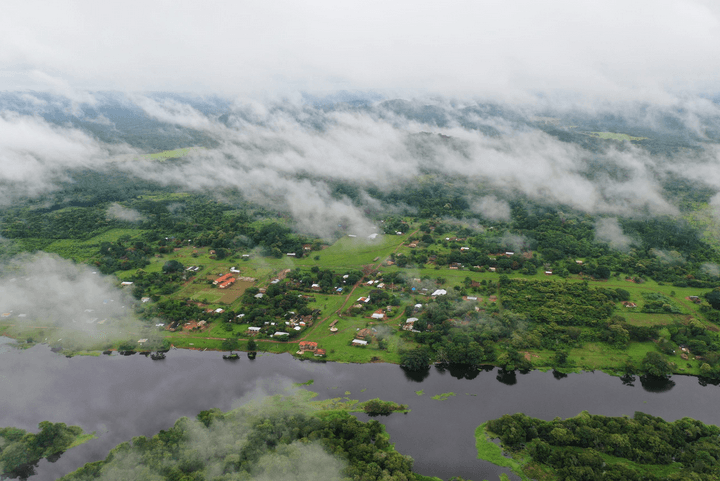
The Paraguá River carves through the remote savanna and gallery forests of Santa Cruz Department, offering visitors an authentic slice of Amazonian Bolivia without the crowds found farther north. Its clear waters support healthy populations of fish, caimans, and river otters, while the surrounding woodland shelters howler monkeys, macaws, and dozens of raptor species. Because the river lies well off the standard tourist circuit, it rewards travelers who seek quiet nature experiences and genuine contact with local communities.
Things to See and Do
Most visitors arrive to fish for pacú and dorado or to take multi-day canoe or motorized boat trips. Dawn and dusk boat safaris reveal abundant birdlife along the banks, while short hikes into the riparian forest reveal medicinal plants still used by Chiquitano residents. Some travelers combine river time with visits to nearby cattle estancias for horseback rides across open pampas. Night paddles under the southern sky are especially memorable because light pollution is minimal.
Practical Activities
- Half-day or full-day fishing excursions with local guides
- Wildlife photography from stable aluminum boats
- Community visits to learn about traditional fishing techniques and crafts
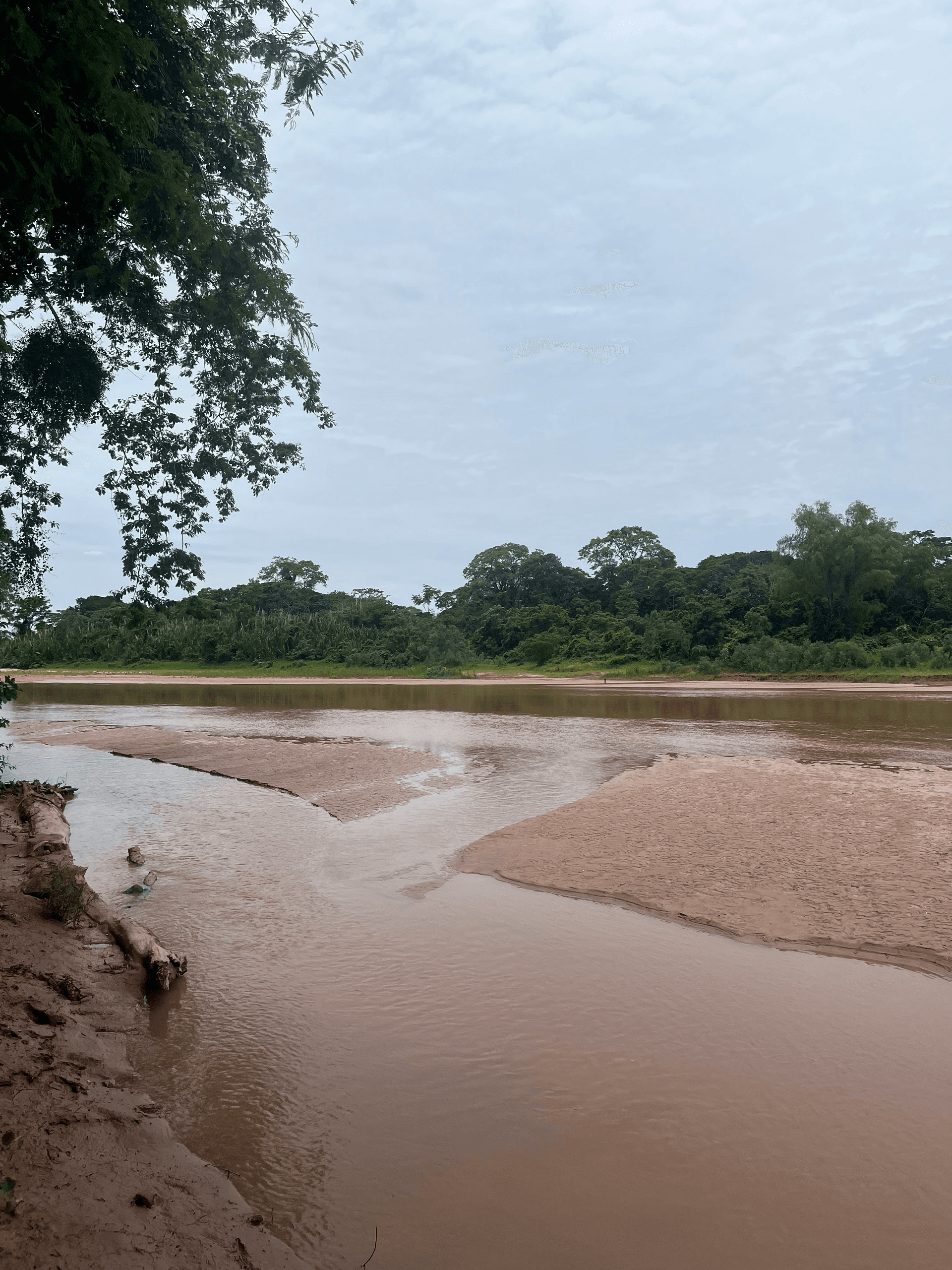
- Camping on sandy river beaches during the dry season
How to Reach the Paraguá River
Most travelers fly into Viru Viru International Airport in Santa Cruz de la Sierra, then drive east on paved roads toward San Ignacio de Velasco before turning onto gravel tracks that lead to river access points near the communities of Florida or El Carmen. The final approach often requires a four-wheel-drive vehicle or a pre-arranged boat transfer. Independent drivers should carry extra fuel and spare tires; many prefer to book transfers through Santa Cruz tour operators who maintain relationships with river communities.
Best Time to Visit
The dry season from May through October provides the most comfortable conditions: lower water levels expose beaches for camping, roads remain passable, and mosquitoes are fewer. The wet season brings higher water and lush vegetation but can make access difficult and increase insect activity. Early dry season (May–June) offers the best balance of green landscape and reliable access.
Nearby Places Worth Adding
The river sits on the western edge of the vast Noel Kempff Mercado National Park, home to dramatic waterfalls and even greater biodiversity. Travelers often combine a Paraguá trip with a visit to the historic Jesuit missions of San Ignacio and San Miguel, both reachable within a day’s drive. Those with more time can continue east toward the Brazilian border for cross-border cultural experiences in the town of San Matías.