Skip to content
Plan & Tour
DestinationsItinerariesTravel BlogAboutContact
0Sign inPlan a trip
Plan & TourPlan & Tour

Travel guides, destination inspiration and curated itineraries for Canada, the USA and beyond, plus a free tool to plan your own day-by-day trip.

Get travel inspiration

Explore

  • All Destinations
  • Curated Itineraries
  • Travel Blog
  • Plan a Trip

Topics

  • Hiking & Nature
  • Food & Drink
  • City Breaks
  • Budget Travel

Company

  • About Us
  • Contact
  • Privacy Policy
  • Terms of Service

© 2026 Plan & Tour. Built for travellers.

Discover the world, one trip at a time.

Stawamus Chief Mountain: Hiking the Iconic Granite Cliffs of Squamish
  1. Home
  2. Destinations
  3. British Columbia
  4. Stawamus Chief Mountain: Hiking the Iconic Granite Cliffs of Squamish
Mountain

Stawamus Chief Mountain: Hiking the Iconic Granite Cliffs of Squamish

Tackle the towering granite faces and rewarding summit views at this world-famous British Columbia landmark.

British ColumbiaUpdated 31 July 2026

Why Stawamus Chief Stands Out

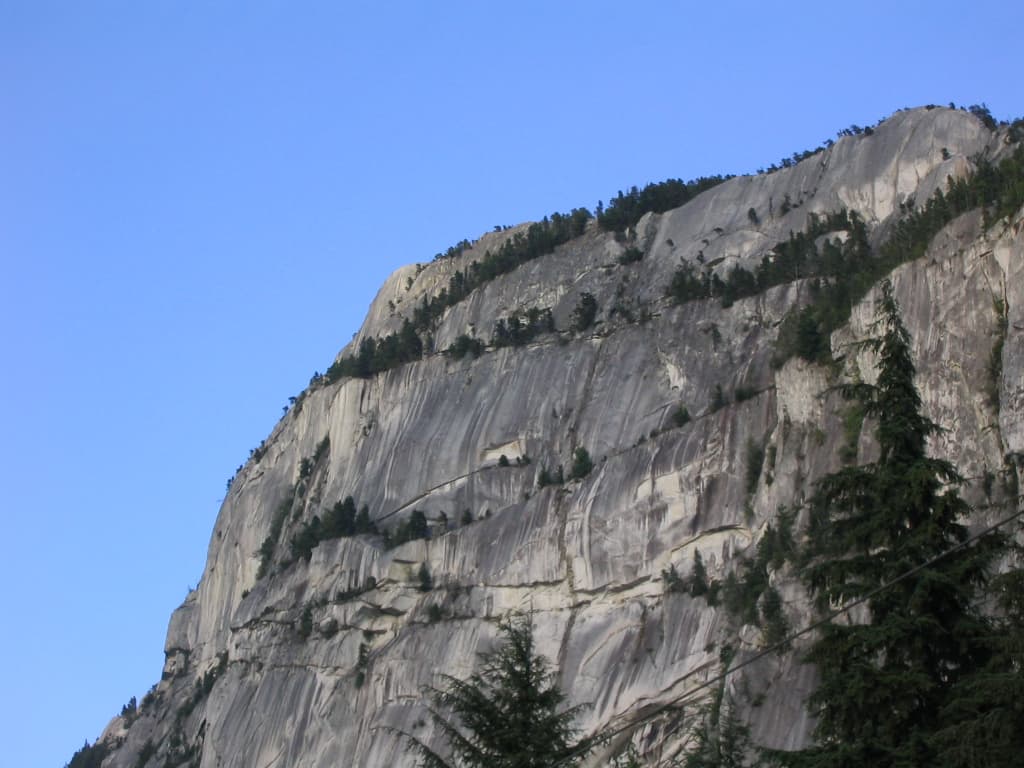
Stawamus Chief rises dramatically above the Sea to Sky corridor as one of the largest granite monoliths in the world. Its sheer walls and three distinct summits attract rock climbers and hikers seeking an accessible yet challenging day in the mountains. The rock’s clean lines and varied routes make it a training ground for serious alpinists while still offering shorter hikes that deliver big views without technical gear.

Getting There

Stawamus Chief Provincial Park sits just south of Squamish along Highway 99. Most visitors drive from Vancouver in roughly ninety minutes via the Sea to Sky Highway. Ample parking is available at the main trailhead lot; arrive early on weekends to secure a spot. Public transit options include buses from Vancouver to Squamish followed by a short taxi ride or bike rental along the highway shoulder.

Best Time to Visit

Late spring through early fall offers the most reliable weather for both hiking and climbing. July and August bring the longest days and driest rock, though afternoon thunderstorms can develop quickly. Shoulder months of May, June, September, and October provide fewer crowds and cooler temperatures, with the added possibility of seeing migrating raptors in the fall.

Trails and Activities

The park features three main hiking routes that lead to the First, Second, and Third summits. The First Peak trail is the most popular, gaining elevation steadily through forest before emerging onto open granite slabs. The Second and Third summits require slightly longer approaches and offer quieter viewpoints. Rock climbers will find hundreds of bolted and traditional routes ranging from easy slabs to overhanging cracks. Always check current conditions and carry the ten essentials, including plenty of water, since the exposed rock can become scorching in summer.

Nearby Attractions

Combine a visit with other Sea to Sky highlights. Shannon Falls Provincial Park lies just minutes south, while the Squamish River and surrounding forests offer kayaking and mountain biking. Further north, the town of Squamish provides craft breweries and the Sea to Sky Gondola for additional panoramic views. Winter visitors can continue to Whistler for skiing or return to Vancouver for urban amenities.

Visitor tips

  • Start hikes at dawn to avoid midday heat on the granite and secure parking at the busy trailhead.
  • Wear sturdy footwear with good grip; the polished rock becomes slippery when wet or icy.
  • Pack more water than you think you need and bring a headlamp in case daylight runs short on longer routes.

Frequently asked questions

How difficult are the hikes to the summits?+

The First Peak trail is strenuous but achievable for fit hikers in three to five hours round-trip. The Second and Third summits involve longer distances and more route-finding.

Do I need climbing gear to reach the top?+

No, the established hiking trails do not require technical equipment. Rock climbers use ropes and protection on the vertical faces, but hikers stay on non-technical routes.

Is Stawamus Chief suitable for children?+

The trails are steep and exposed in places, so they suit older children accustomed to long hikes. Young kids may struggle with the elevation gain and rocky terrain.

Are there facilities at the trailhead?+

Basic pit toilets and picnic tables are available. There is no potable water, so bring your own supply.

What should I do if the weather turns bad?+

Turn back immediately if thunderstorms or heavy rain approach. The granite slabs become extremely slippery and lightning is a real hazard on the exposed summits.

Share
Google Maps Apple Maps Directions

Image: Psi4ce at English Wikipedia · Public domain · via Wikimedia Commons

Keep reading

Nearby & related

All stories
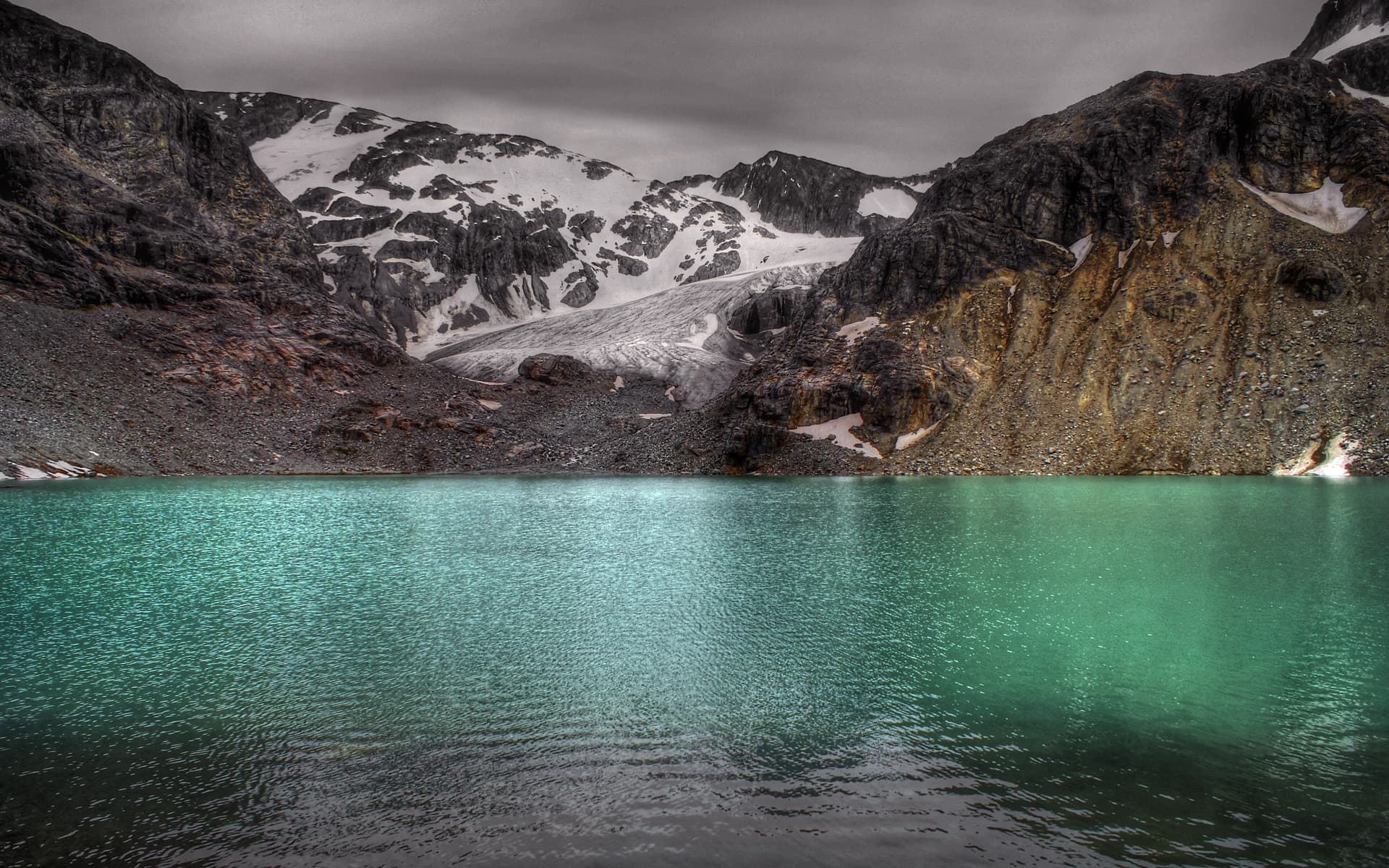
Wedgemount Lake: Hiking to a Turquoise Alpine Gem Near Whistler
British Columbia

Wedgemount Lake: Hiking to a Turquoise Alpine Gem Near Whistler

A rewarding backcountry trek leads to glacial waters and sweeping mountain views in British Columbia’s Coast Range.

8 August 2026
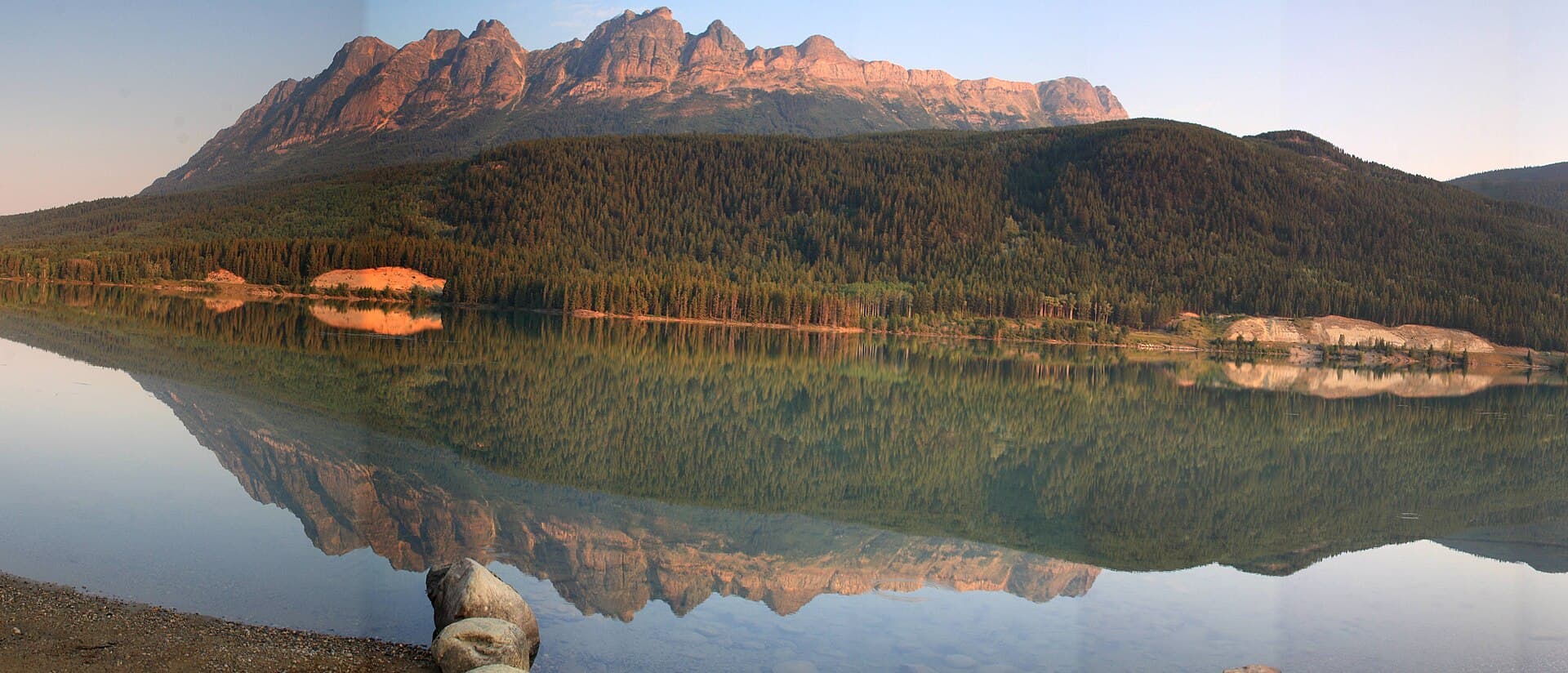
Yellowhead Lake: Turquoise Waters and Mountain Backdrops in Mount Robson Provincial Park
British Columbia

Yellowhead Lake: Turquoise Waters and Mountain Backdrops in Mount Robson Provincial Park

This serene lake in British Columbia’s Rockies delivers quiet paddling, trout fishing, and easy access to dramatic peaks…

8 August 2026
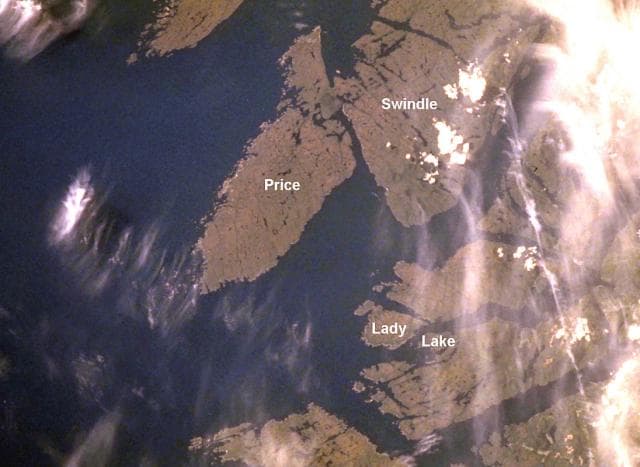
Swindle Island: Remote Wilderness on British Columbia’s Central Coast
British Columbia

Swindle Island: Remote Wilderness on British Columbia’s Central Coast

Discover pristine rainforest, marine wildlife, and quiet anchorages on this secluded island in the Inside Passage.

8 August 2026