Why Visit St. Martin’s Island
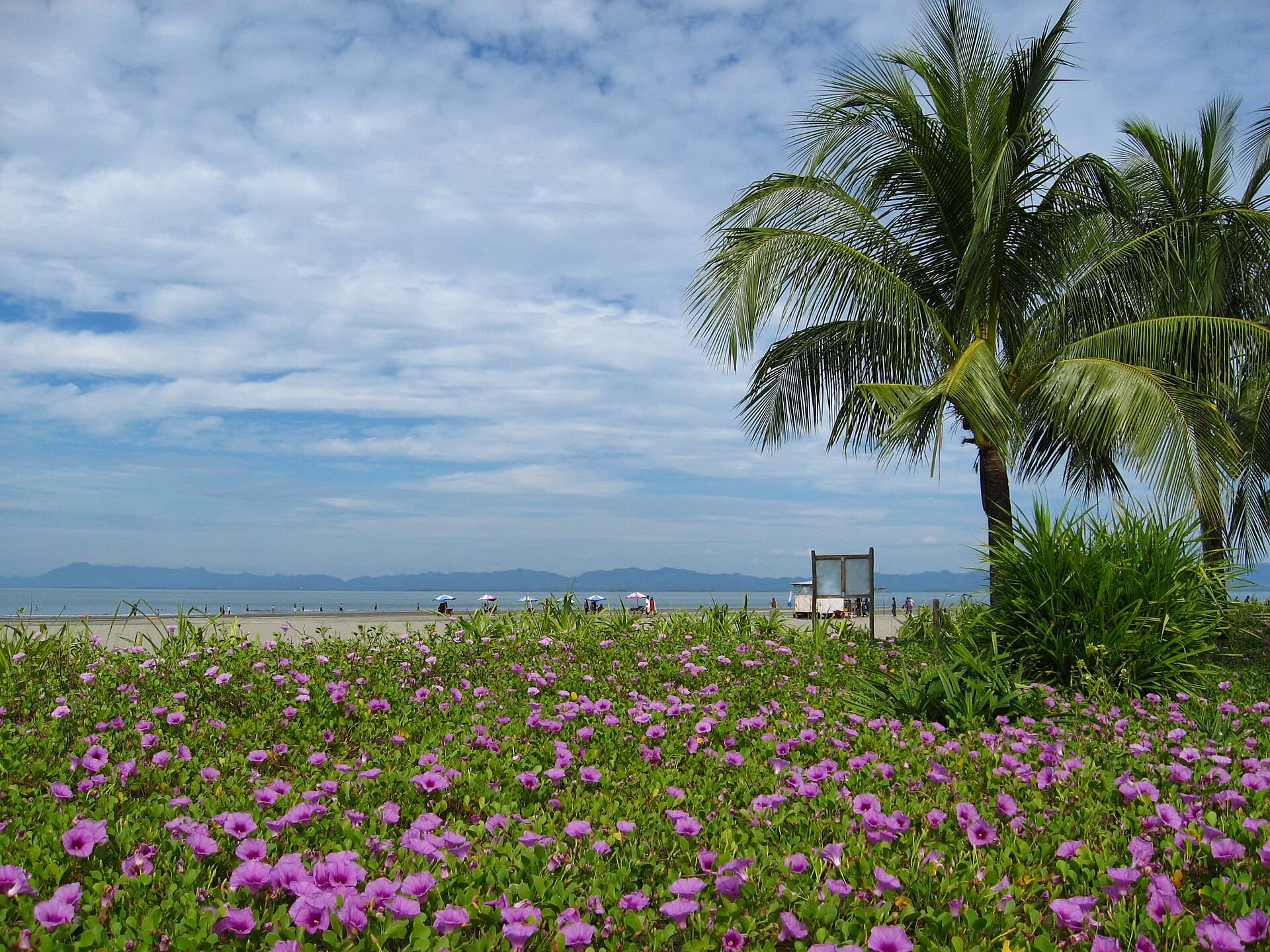
St. Martin’s Island stands as Bangladesh’s southernmost point and its sole coral island, a 7.5-kilometer stretch of white-sand beaches framed by clear turquoise waters. Its appeal lies in the untouched marine environment where visitors can observe living coral reefs, seasonal sea turtles nesting, and schools of colorful fish without the crowds of mainland beaches.
Getting There
Travelers reach the island via boat from Teknaf in Cox’s Bazar District. The journey crosses the Naf River estuary and typically takes two to three hours by local motor launch or speedboat. Most visitors first arrive in Cox’s Bazar by air or road from Dhaka, then continue south by bus or private car to Teknaf. Day trips are possible but overnight stays allow for sunset viewing and early-morning beach walks.
Best Time to Visit
The dry season from November through February brings calm seas and comfortable temperatures ideal for swimming and snorkeling. March to May sees stronger winds and occasional rough crossings, while the monsoon months from June to October limit boat services and increase erosion risk along the shoreline.
Things to See and Do
Walk the full length of the main beach from the northern settlement to the southern tip, where a small lighthouse offers panoramic views. Snorkeling and glass-bottom boat trips reveal shallow coral gardens and occasional reef fish. At low tide, explore the exposed coral beds and collect shells only if permitted by local guidelines. Evening bonfires on the sand provide relaxed gatherings, and early risers may spot nesting turtles during peak season.
Where to Stay and Eat
Simple beachside cottages and guesthouses cluster near the central market area. Fresh seafood, coconut-based curries, and seasonal fruits dominate local menus. Electricity can be limited, so many properties rely on generators or solar power during evening hours.
Nearby Attractions
Combine a visit with time in Teknaf Wildlife Sanctuary for mangrove walks or continue north to the longer beaches of Cox’s Bazar. The Naf River estuary supports small fishing communities worth observing from the boat on the return journey.