Introduction to the So’o River
The So’o River winds through the forested hills of Cameroon’s Centre Region, providing a tranquil escape for travelers seeking nature away from urban centers. Flowing near the coordinates 3.37°N, 11.45°E, this waterway forms part of the larger Nyong basin and supports dense tropical vegetation along its banks.
Scenery and Natural Highlights
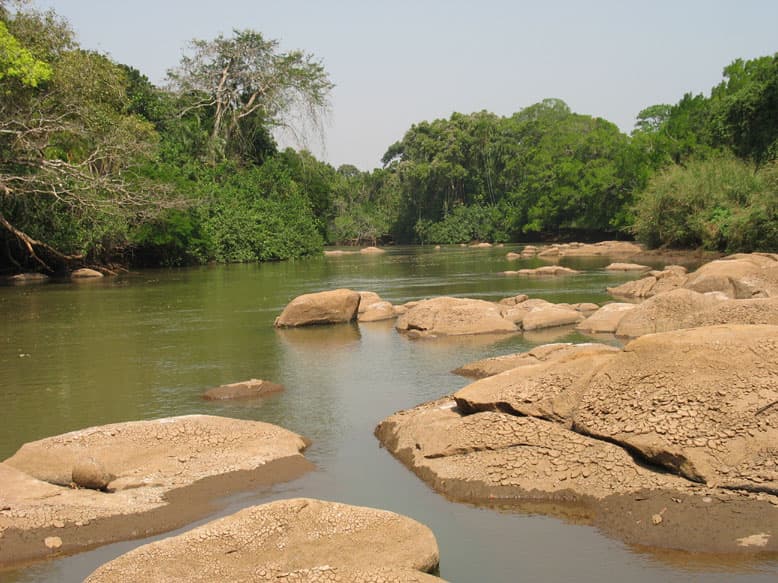
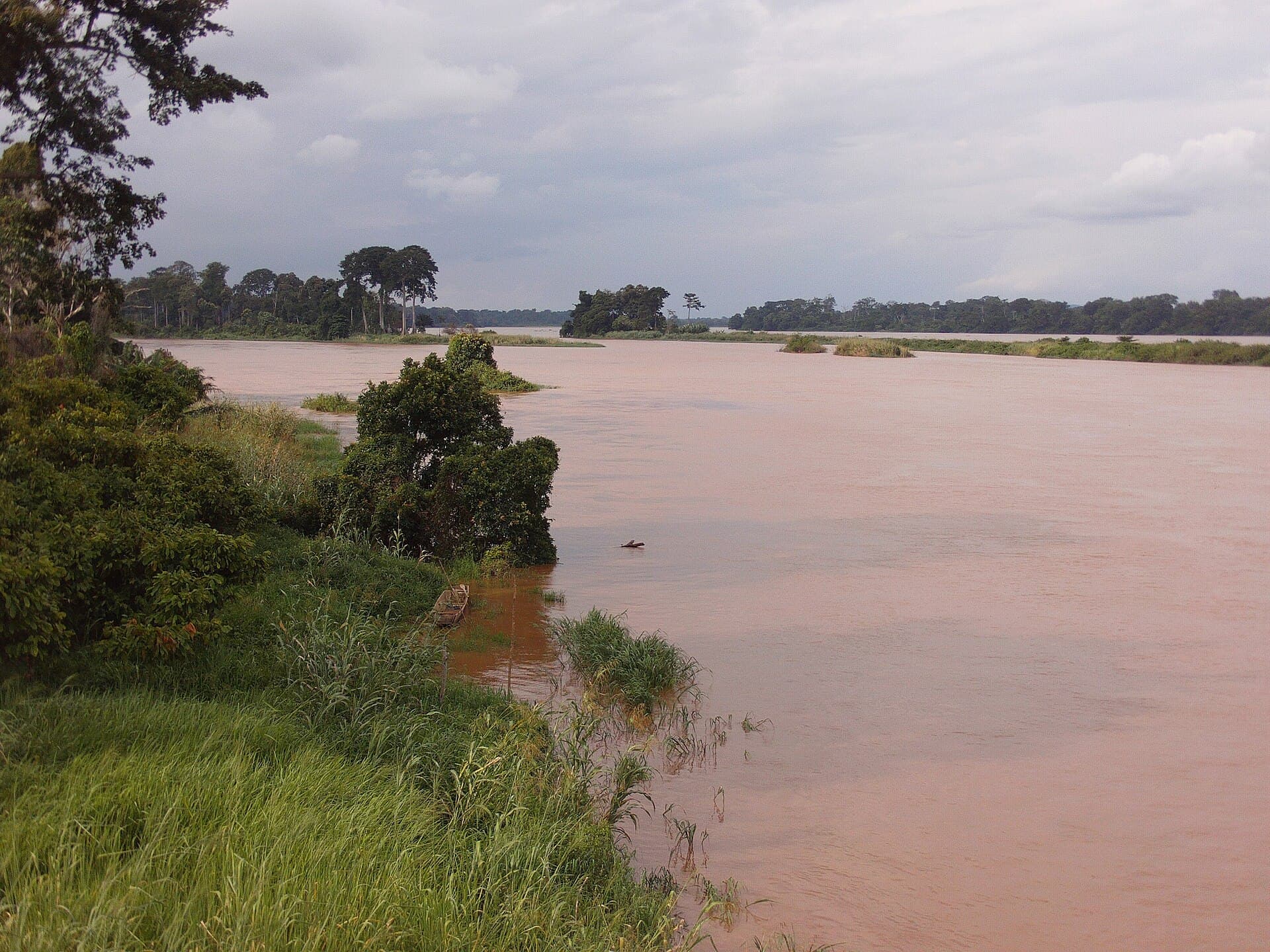
Thick gallery forests line much of the river, creating shaded corridors ideal for observing birds and small mammals. In quieter stretches, clear pools form where locals sometimes fish or bathe. The surrounding landscape mixes secondary forest with small farms, giving visitors a sense of both wild and cultivated Cameroon.
Wildlife and Biodiversity
Expect to see kingfishers, hornbills, and occasional monkeys from a canoe. The river’s calm waters also attract dragonflies and butterflies, especially in the early morning. While large mammals are rare near the main channel, the intact riparian forest still supports a healthy ecosystem.
Getting to the So’o River
Most visitors approach from Yaoundé, roughly an hour’s drive south via the N2 road toward Mbalmayo. From there, local tracks lead to villages along the riverbanks. Public minibuses run regularly to nearby settlements; hiring a driver for the final stretch is common.
Best Time to Visit
The drier months from December to February offer lower water levels and easier access for walking along the banks. From March to May and September to November, rains swell the river, making canoe travel more scenic but potentially challenging for beginners.
Activities Along the So’o
- Canoe or pirogue trips with local paddlers to explore upstream reaches.
- Short hikes through adjacent forest paths to viewpoints above the valley.
- Observing traditional fishing techniques practiced by riverside communities.
- Picnicking on sandy bends during low-water season.
Nearby Attractions
After time on the So’o, travelers often continue to the larger Nyong River or head north to the botanical gardens and markets of Yaoundé for contrast with the capital’s energy.