Why Visit the Mbam River
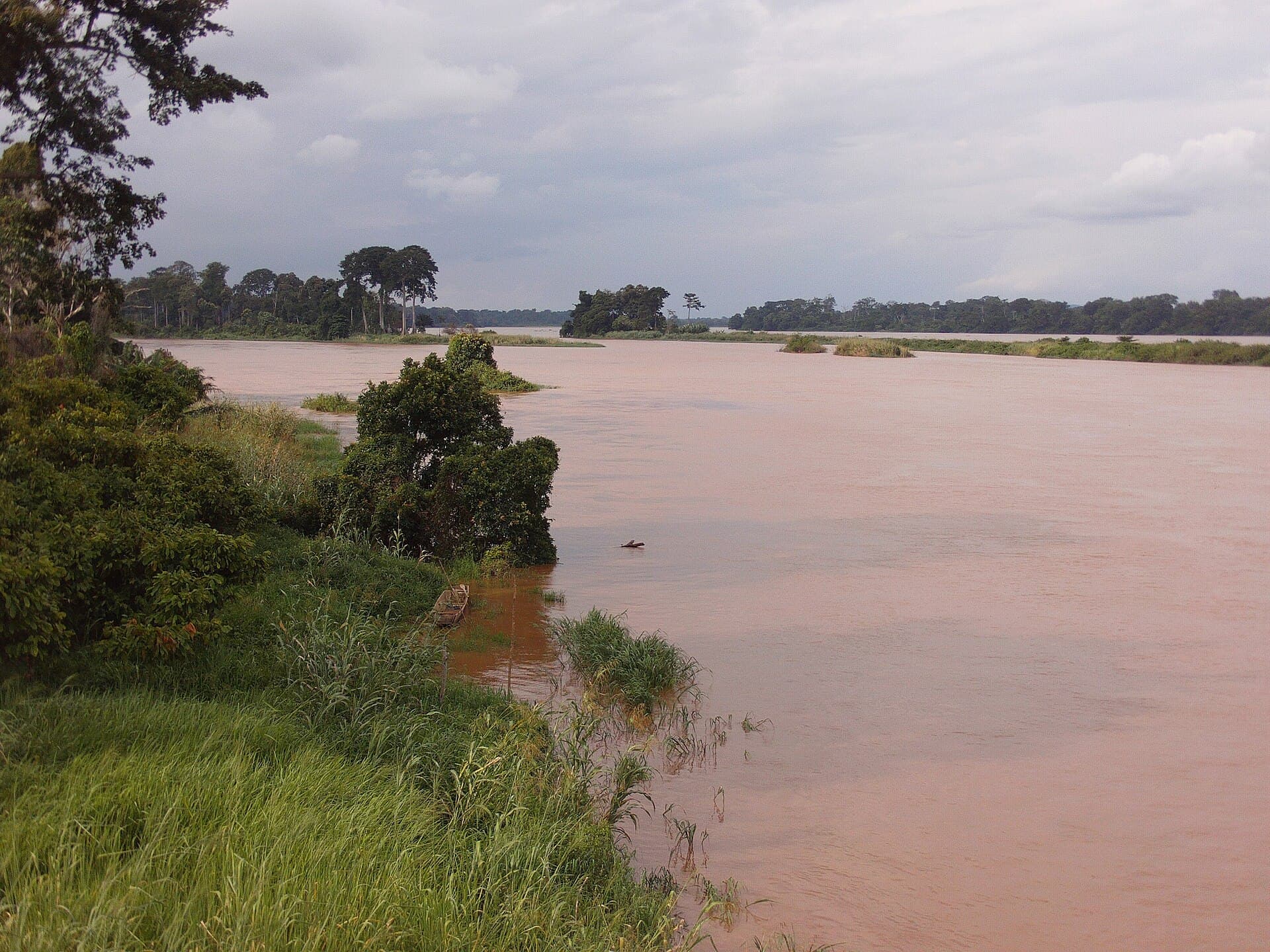
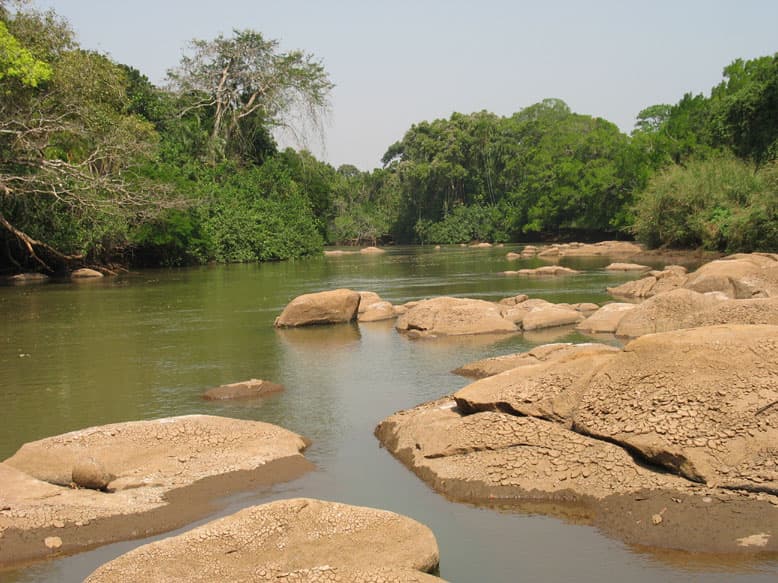
The Mbam River flows through Cameroon’s Centre Region as a major tributary of the Sanaga, carving through forested landscapes and supporting riverside communities. Its waters offer a quieter alternative to more visited sites, with opportunities to observe tropical birdlife, seasonal fish migrations, and traditional canoe travel along its banks.
Activities Along the River
Local boatmen provide guided paddling or motorboat excursions that reveal forested stretches and small fishing villages. Birdwatching is rewarding at dawn, with species such as hornbills and kingfishers commonly sighted. Visitors interested in cultural encounters can observe or join short demonstrations of traditional fishing techniques used by riverside residents. Short hikes from landing points lead to viewpoints overlooking the valley and nearby hills.
Getting There
The river is most easily reached from Yaoundé by road toward Bafia or Ntui, followed by local tracks to established crossing points. Public transport or hired vehicles cover the main route; from there, arrange onward transport with community boat operators. The area lies within reasonable day-trip distance of the capital, making it accessible for both short and overnight visits.
Best Time to Visit
The drier months between November and March provide lower water levels and clearer access for boating and walking along the banks. Heavy rains from April through October raise water levels and can limit road access, though the landscape remains lush and dramatic during this period. Early morning or late afternoon departures help avoid midday heat year-round.
Nearby Attractions
The Mbam et Djerem National Park lies to the north, offering savanna and forest walks with larger wildlife. The Sanaga River confluence downstream provides additional river scenery, while the surrounding hills host small markets selling local produce and crafts. Combining a river visit with a stop at these sites creates a fuller picture of the region’s geography and communities.