Why Visit the Ndjim River
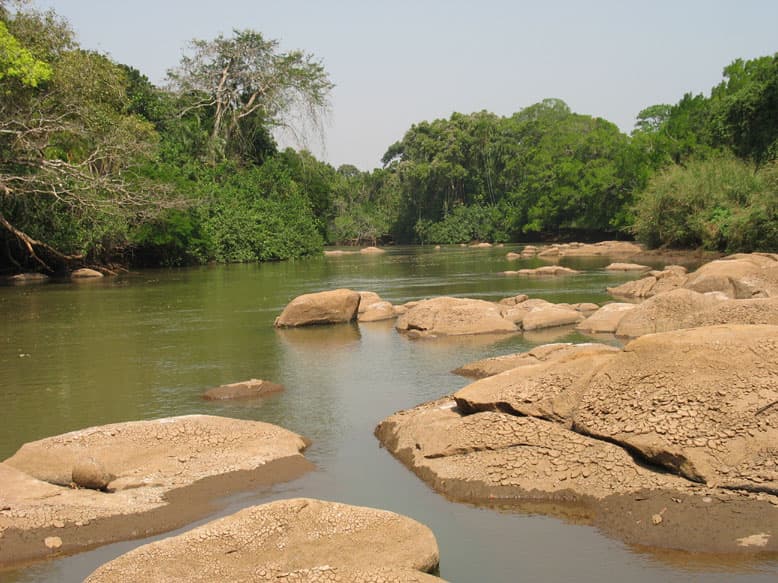
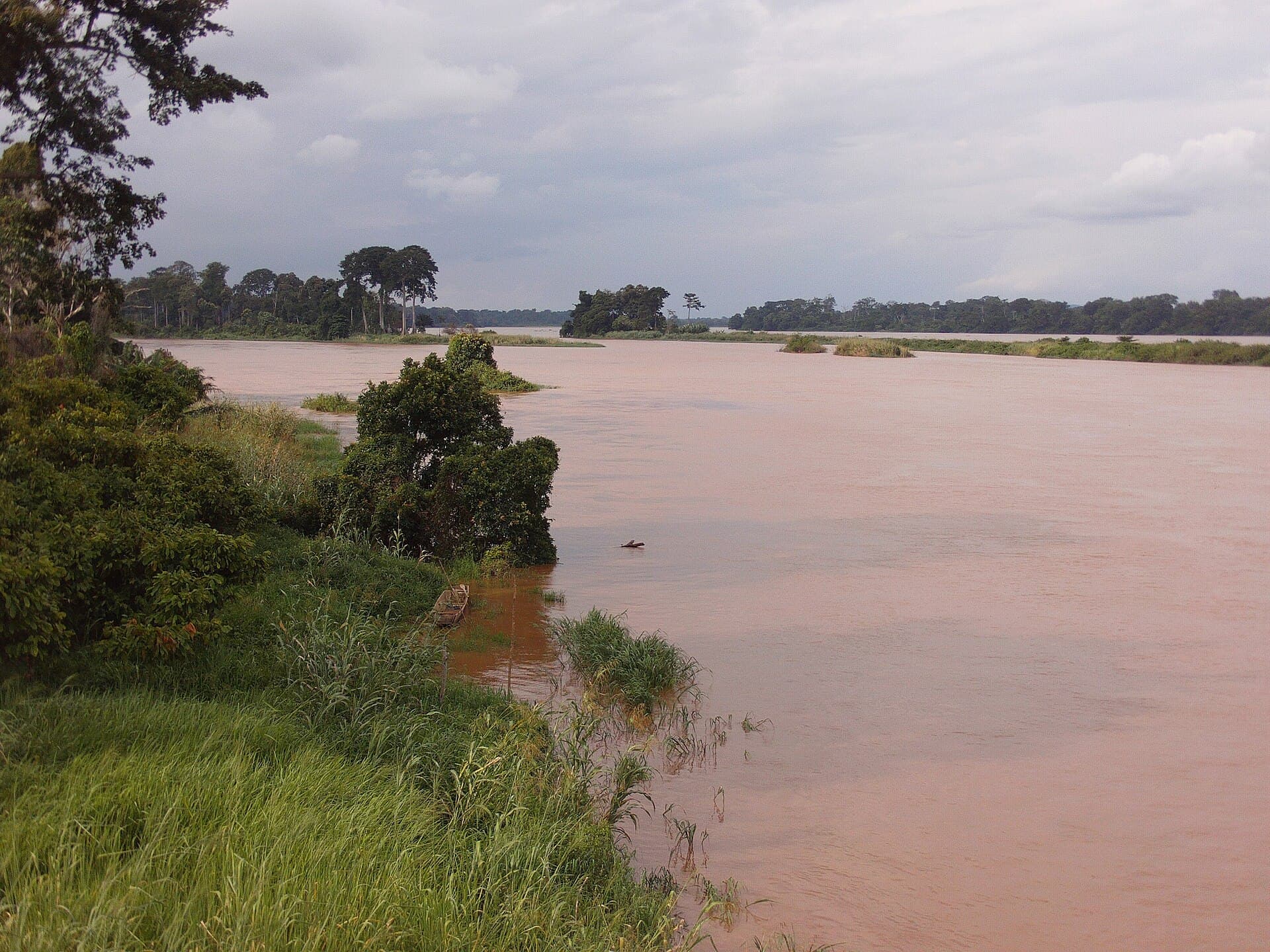
The Ndjim River flows through Cameroon’s Centre region, offering visitors a peaceful alternative to more crowded tourist sites. Its gentle current and surrounding vegetation create an intimate setting for nature immersion, where the focus stays on the river’s steady flow and the everyday rhythms of riverside communities.
What to See and Do
Travelers can arrange short canoe trips to observe birdlife and riparian plants along the banks. Local fishermen often share knowledge of seasonal fish runs, providing insight into traditional practices that sustain communities. Short walks along accessible stretches reveal small clearings ideal for quiet observation of the landscape. The river’s setting highlights the transition between savanna and forest zones typical of this part of Cameroon.
Practical Activities
- Join a guided paddle to learn about local plant uses and water management.
- Photograph the changing light on the water at dawn and dusk.
- Sample simple riverside meals prepared with fresh catch when available.
How to Get There
The Ndjim lies within reach of Yaoundé, the regional hub. Travelers typically arrange road transport along the main routes heading north from the capital, then follow local tracks to river access points. Shared taxis and occasional private vehicles serve the area; advance coordination with residents improves reliability.
Best Time to Visit
The drier months from November through February offer lower water levels and clearer paths for exploration. Rainfall is lighter, reducing the chance of sudden flooding, while vegetation remains green. Avoid peak rainy periods when tracks become difficult and river currents strengthen.
Nearby Places
Combine a river visit with time in nearby towns of the Centre region, where markets and small cultural sites provide context for daily life away from the water. The broader Sanaga basin lies to the north, offering further riverine scenery for those extending their journey.