Why Visit the Showa Museum of Art
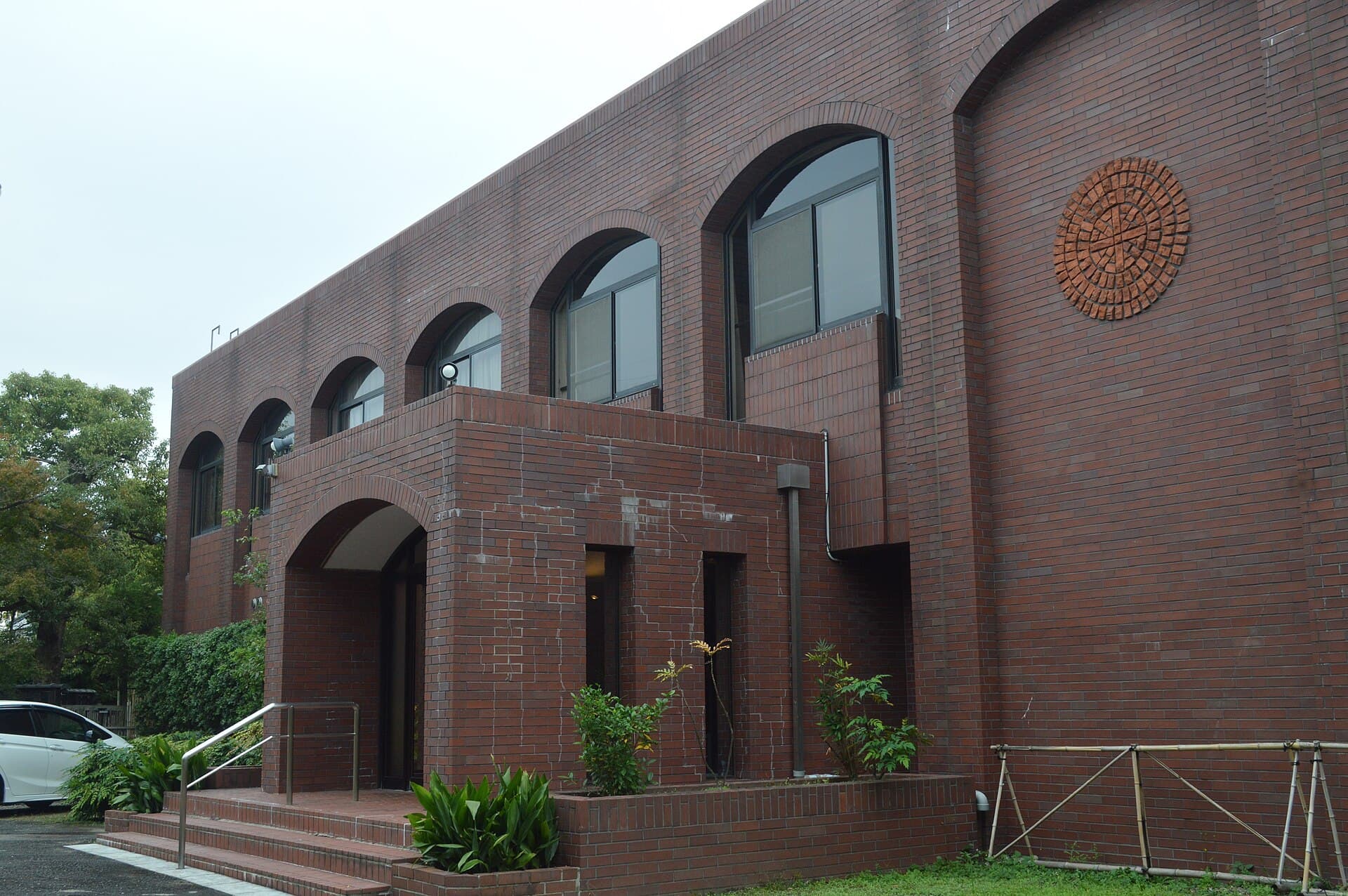
The Showa Museum of Art preserves and displays works created during Japan’s Showa period (1926–1989), a time of rapid social change, reconstruction, and artistic experimentation. Visitors gain insight into how painters, potters, and designers responded to war, economic growth, and shifting tastes. The museum’s calm galleries allow quiet appreciation of pieces that range from bold abstract canvases to refined porcelain and everyday objects elevated to art.
Highlights of the Collection
Rotating exhibitions draw from the permanent holdings of nihonga, yōga, and ceramic works by artists active between the 1930s and 1980s. Look for large-scale screens that capture urban scenes of postwar Nagoya, delicate overglaze porcelain reflecting traditional motifs updated for modern homes, and graphic posters that once promoted the 1964 Tokyo Olympics and World Expo 70. Small thematic displays often juxtapose fine art with industrial design, showing how Showa aesthetics influenced daily life.
Getting There
The museum sits in a quiet residential pocket of eastern Nagoya, reachable by city bus or a short taxi ride from major rail stations. From Nagoya Station, take the Higashiyama subway line to Higashi-yama Koen and transfer to a local bus heading toward the eastern hills; the stop is a five-minute walk from the entrance. Cyclists can use the city’s rental-bike network and lock up at racks near the gate. Those driving will find limited on-site parking, so public transport is preferred.
Best Time to Visit
Spring (late March to early May) and autumn (October to November) offer mild weather ideal for combining the museum with nearby parks. Weekday mornings are quieter, letting visitors linger in front of larger works without crowds. Summer humidity can make the indoor galleries especially welcome after a morning outdoors, while winter visits pair well with the museum’s warm lighting and seasonal exhibitions of winter landscapes.
Nearby Attractions
After your visit, stroll through Higashiyama Botanical Gardens or the adjacent zoo for a change of pace. The Tokugawa Art Museum, a short drive away, complements the Showa focus with samurai-era treasures. Nagoya Castle and its reconstructed keep lie farther west but are easily reached by subway, allowing a full day that moves from postwar art to feudal history.