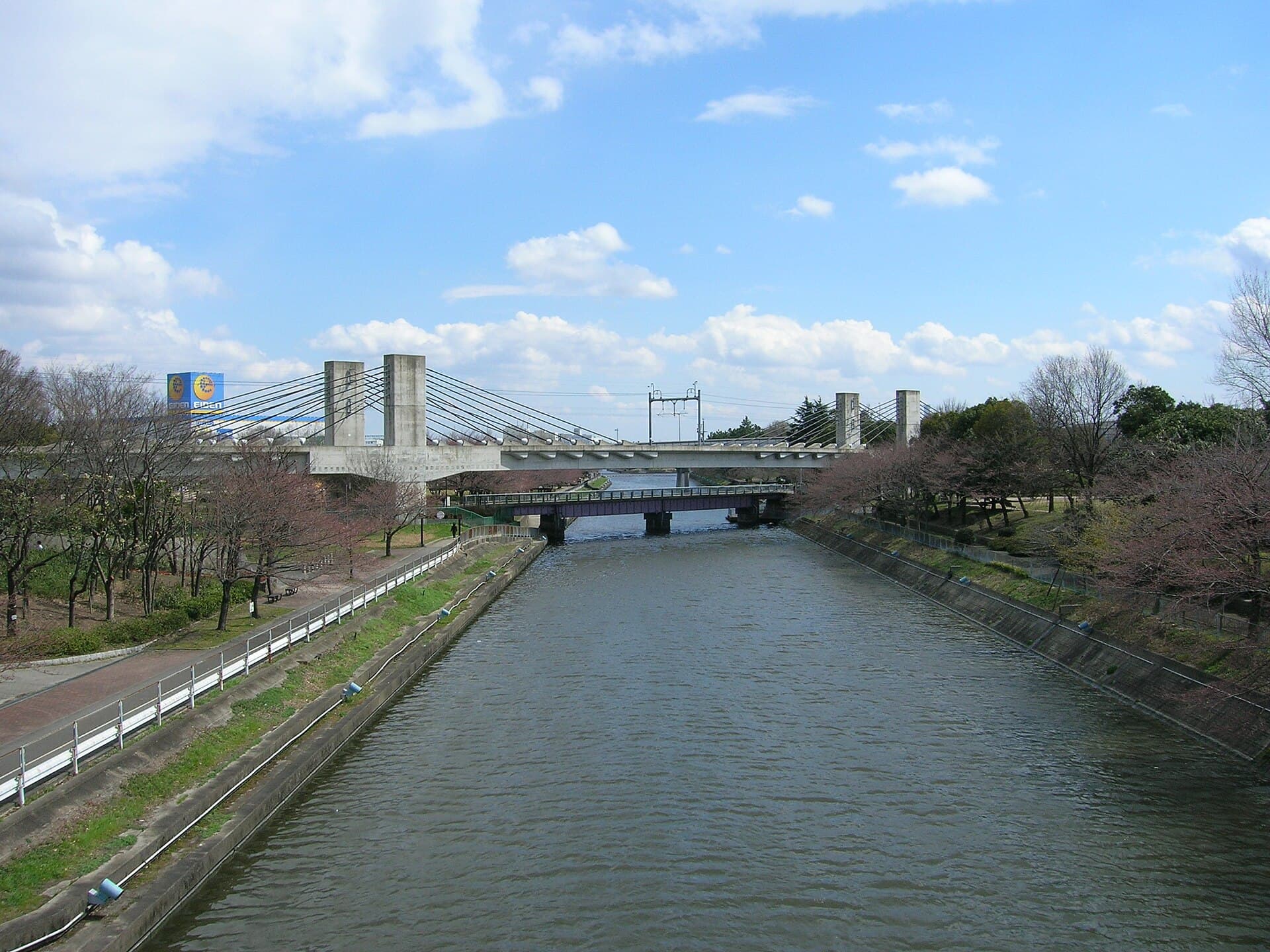
Arako River winds through residential and green spaces in southern Nagoya, providing locals and visitors with accessible riverfront paths that feel far removed from the surrounding urban density. The waterway, part of the city’s extensive network of rivers, creates a linear park atmosphere where people stroll, cycle, or simply watch the water flow toward the sea.
Scenic Walks and Daily Life Along the Banks
Well-maintained paths run alongside much of the river, lined with trees that offer shade in summer and color in autumn. Early mornings bring joggers and elderly residents performing gentle exercises, while evenings see families feeding ducks or couples enjoying the sunset. The gentle current and low embankments make the setting feel intimate rather than dramatic, inviting slow exploration rather than strenuous hiking.
Cherry Blossoms and Seasonal Changes
April transforms the riverbanks into a soft pink tunnel when the cherry trees bloom. Unlike crowded spots in central Nagoya, the Arako River hanami crowds remain manageable, allowing space to spread a blanket and enjoy takeout from nearby convenience stores or bakeries. In late autumn, ginkgo and maple leaves turn the paths golden and crimson, creating a quieter but equally photogenic atmosphere.
Getting There from Central Nagoya
Reach the river easily by public transport. Take the subway to stations such as Kanayama or Atsuta and walk westward, or use local buses that stop near bridges crossing the waterway. Once there, the continuous paths let you walk for several kilometers in either direction without needing to cross busy roads. Cycling is popular; rental stations in southern Nagoya make it simple to combine a river ride with visits to nearby temples or the port area.
Best Time to Visit
Spring and autumn deliver the most comfortable temperatures and visual interest. Summer evenings remain pleasant for walks once the sun drops, though humidity rises during the day. Winter visits offer clear views of distant mountains on crisp days and fewer people, though paths can be damp after rain. Avoid visiting immediately after heavy rainfall, when water levels can rise quickly and paths may become slippery.
Nearby Attractions Worth Combining
Combine a river walk with Atsuta Shrine, one of Japan’s most important Shinto sites, located just minutes away by foot or short bus ride. Further south, the Nagoya Port area offers aquariums and maritime museums, while the historic Arako district preserves old warehouses and small shrines that reflect the area’s pre-industrial past. Many visitors end their day at local ramen shops or izakaya clustered near the subway stations.