Why Selawik Lake Stands Out
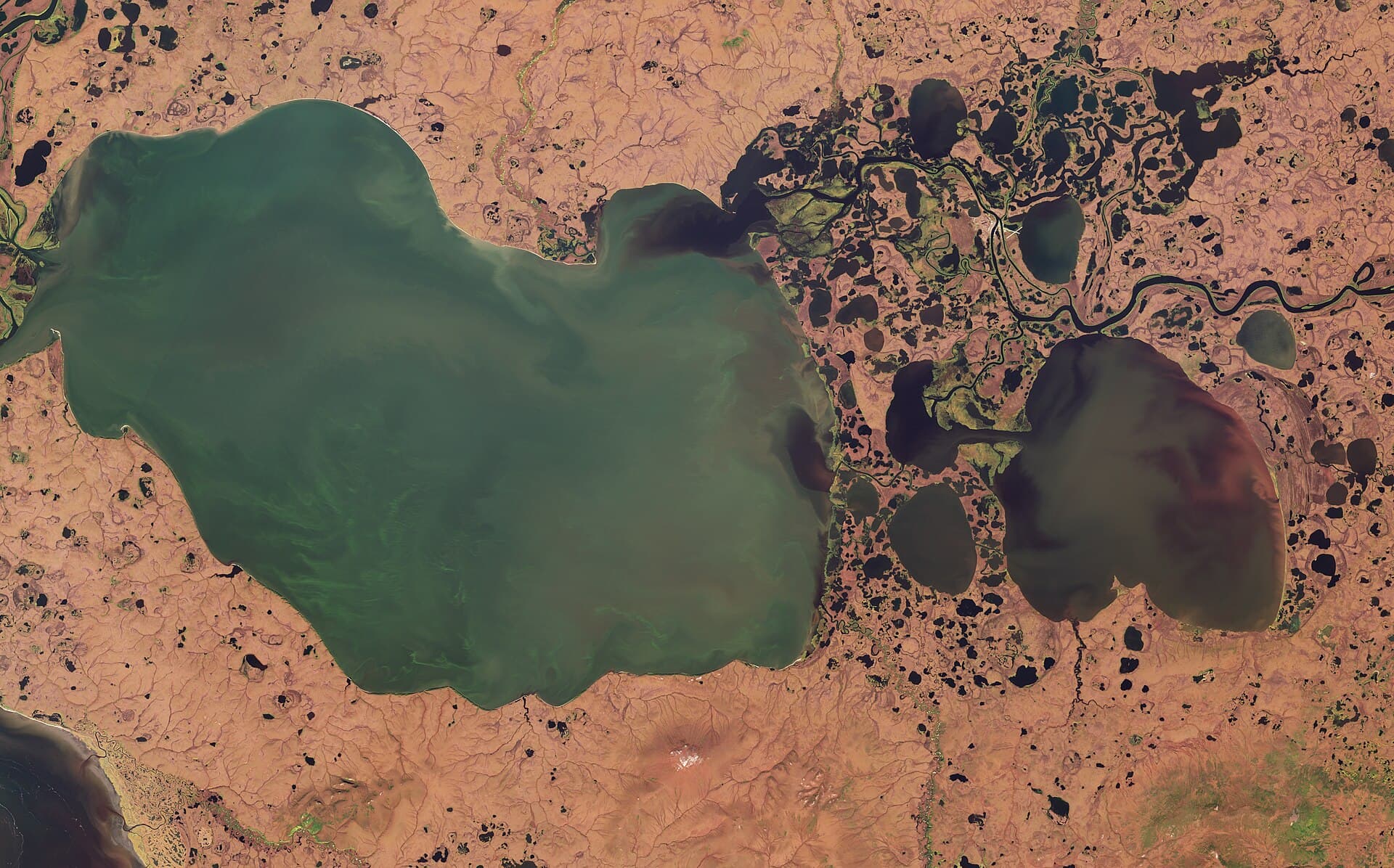
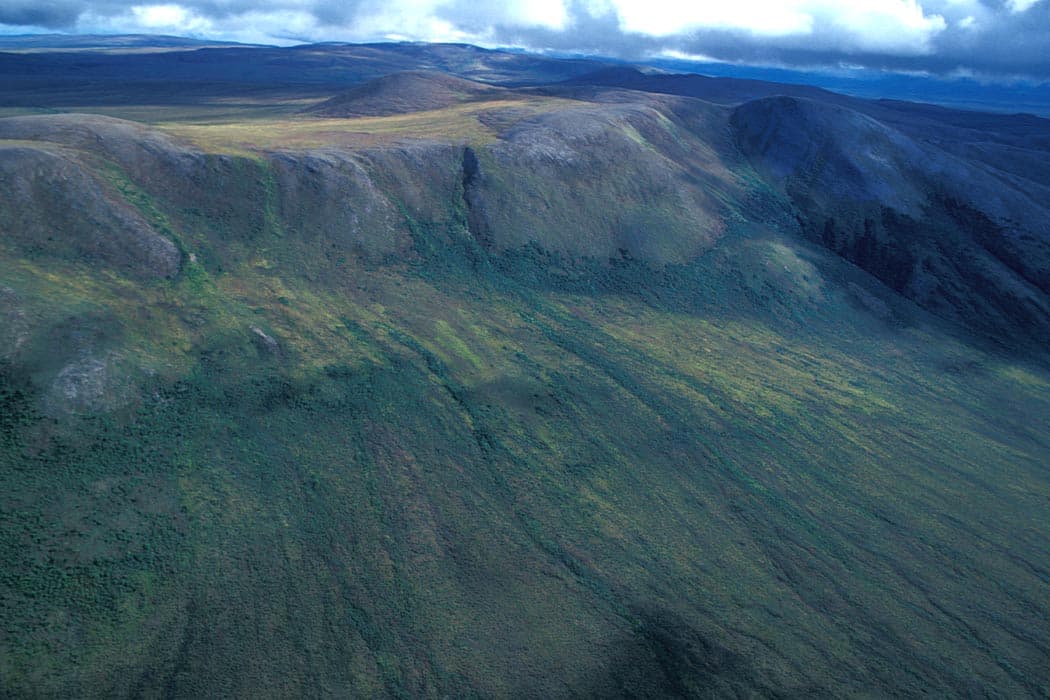
Selawik Lake sits at the edge of the tundra where the Selawik River meets the sea, creating one of Alaska’s largest freshwater lakes entirely within the Arctic Circle. Its shallow, nutrient-rich waters support massive runs of sheefish and northern pike while the surrounding wetlands draw migratory birds by the thousands. Visitors find untouched shoreline, sweeping views of the Baird Mountains, and the quiet that only extreme remoteness delivers.
Getting There
Commercial flights reach Kotzebue, the nearest hub. From Kotzebue, travelers arrange floatplane charters or boat transport up the Selawik River. Winter access is possible by snowmachine along frozen river corridors, though most visitors arrive between June and September when the lake is ice-free. No roads connect the lake to any town, so every trip requires advance logistics and local coordination.
Activities on and Around the Lake
- Fishing for sheefish that can exceed 50 pounds, northern pike, and seasonal salmon in the river mouth.
- Wildlife viewing for caribou, moose, grizzly bears, and dozens of waterfowl species that nest in the adjacent refuge.
- Boating and paddling across the lake’s 28-mile length, exploring sheltered bays and river channels.
- Photography of dramatic Arctic light, especially during the long summer evenings and early-fall tundra colors.
Best Time to Visit
July and August offer the warmest temperatures, open water, and peak fishing. Early September brings fewer insects, brilliant foliage, and the start of caribou migration. June can still feature lingering ice, while shoulder seasons require extra cold-weather preparation. Mosquitoes peak in July, so head nets and long sleeves are essential.
Nearby Places Worth Exploring
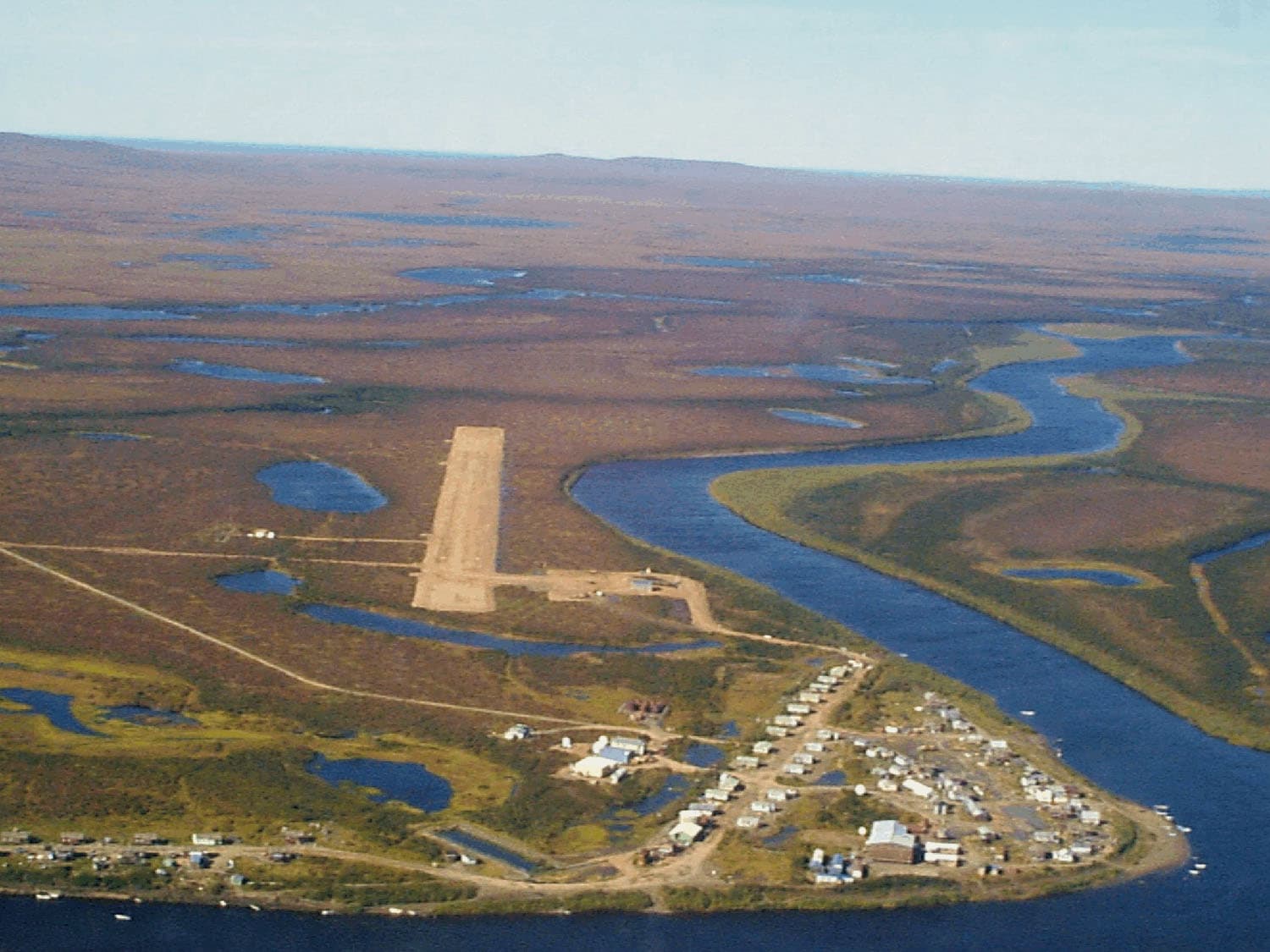
The Selawik National Wildlife Refuge headquarters in Kotzebue provides maps and current conditions. Further afield, the Kobuk Sand Dunes and the village of Selawik offer additional cultural and natural stops for those extending their Arctic itinerary.