
Keep reading
Nearby & related
St. Martin’s Island: Bangladesh’s Southernmost Coral Sanctuary
Bangladesh’s only coral island offers pristine beaches, rich marine life, and a peaceful escape in the Bay of Bengal.
23 September 2026
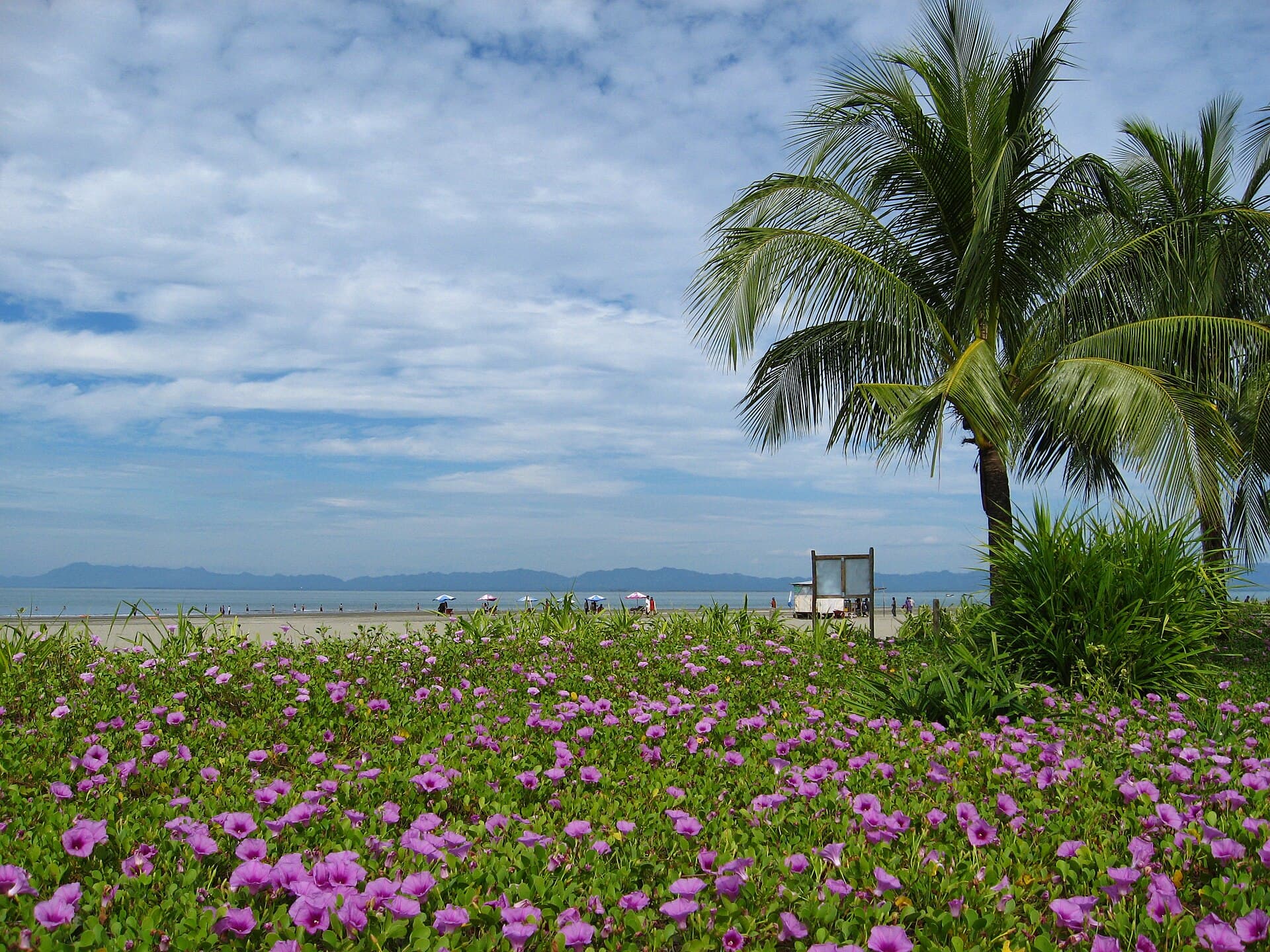
A vast island of quiet beaches, fishing villages, and coconut groves lying just off the Chattogram coast.
Sandwip is one of the largest offshore islands in Bangladesh, stretching along the northern edge of the Bay of Bengal in Chattogram Division. Its flat landscape of sandy shores, tidal creeks, and fertile paddy fields offers a slower pace than the mainland, with daily life centered on fishing, farming, and boat building. Visitors come for the long, uncrowded beaches and the chance to experience rural Bengali coastal culture without the crowds found at Cox’s Bazar.
Ferries and motor launches depart regularly from Chattogram’s Sadarghat and nearby river ports, crossing the Karnaphuli estuary and open water in roughly two to three hours depending on tides. Some travelers also board smaller launches from Sitakunda or Mirsarai on the mainland. Once on Sandwip, local auto-rickshaws and CNGs connect the main ferry ghat to villages and beaches along the western shore. The crossing itself provides sweeping views of the estuary and distant hills.
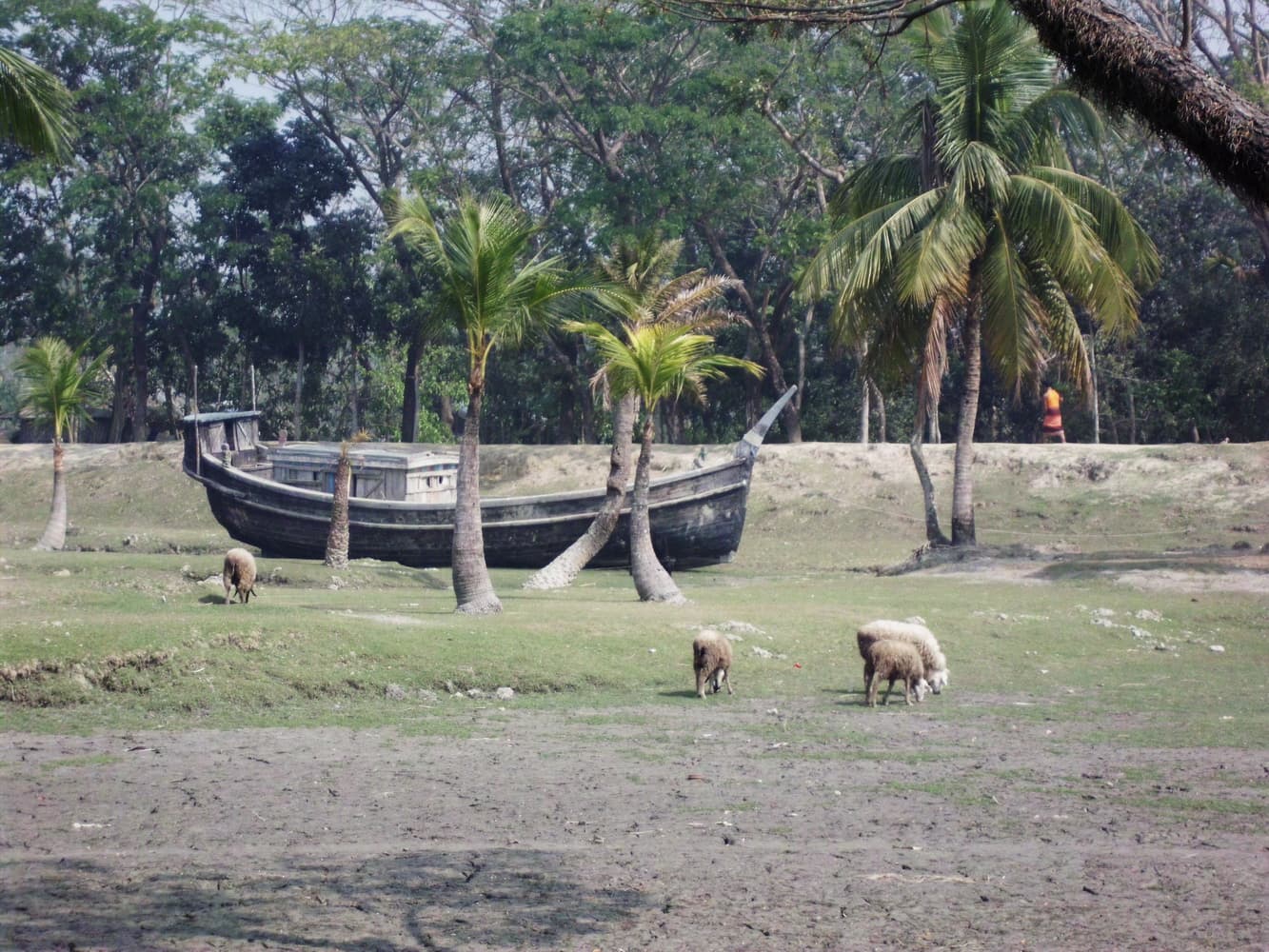
The island’s western shoreline features wide, firm sand ideal for long walks at low tide. South of the main settlement, stretches remain largely undeveloped, with only scattered fishing boats and coconut palms. Early mornings bring the sight of fishermen hauling nets and women collecting shellfish. Inland, narrow lanes wind through hamlets shaded by betel-nut and mango trees, where traditional wooden boats are still crafted by hand. A modest lighthouse near the northern tip offers panoramic views on clear days.
Sandwip’s weekly haats showcase fresh seafood, dried fish, and produce grown on the island’s fertile soil. Small mosques and Hindu temples reflect the mixed communities that have lived here for generations. Evening conversations often turn to the island’s long maritime history and its role in regional trade routes. Respectful visitors are welcomed to observe boat-building yards and join locals for fresh coconut water straight from the grove.
The most comfortable months are November through February, when skies are clear and rainfall is minimal. March to May brings rising heat and humidity, while the June-to-October monsoon can make ferry crossings unpredictable and some roads muddy. Winter also coincides with major local festivals that feature traditional boat races and folk music.
Simple guesthouses and family-run lodges cluster near the main ferry landing and along the western beaches. Most serve home-cooked Bengali meals featuring river and sea fish, dal, and seasonal vegetables. Travelers should carry cash, as ATMs are limited and mobile networks can be patchy in remote spots.
Keep reading
Bangladesh’s only coral island offers pristine beaches, rich marine life, and a peaceful escape in the Bay of Bengal.
The crossing usually lasts two to three hours, though strong tides or weather can extend the journey.
The western beaches offer calmer waters at low tide, but always check local advice as currents can be strong near channels.
Reliable sunscreen, insect repellent, cash in small notes, and any prescription medications are best carried from the mainland.
Yes, the flat terrain and gentle village atmosphere make it family-friendly, though visitors should supervise children near the water.
A same-day return is possible but rushed; most travelers stay at least one night to enjoy the beaches and evening calm.