Why Visit Rogaguado Lake
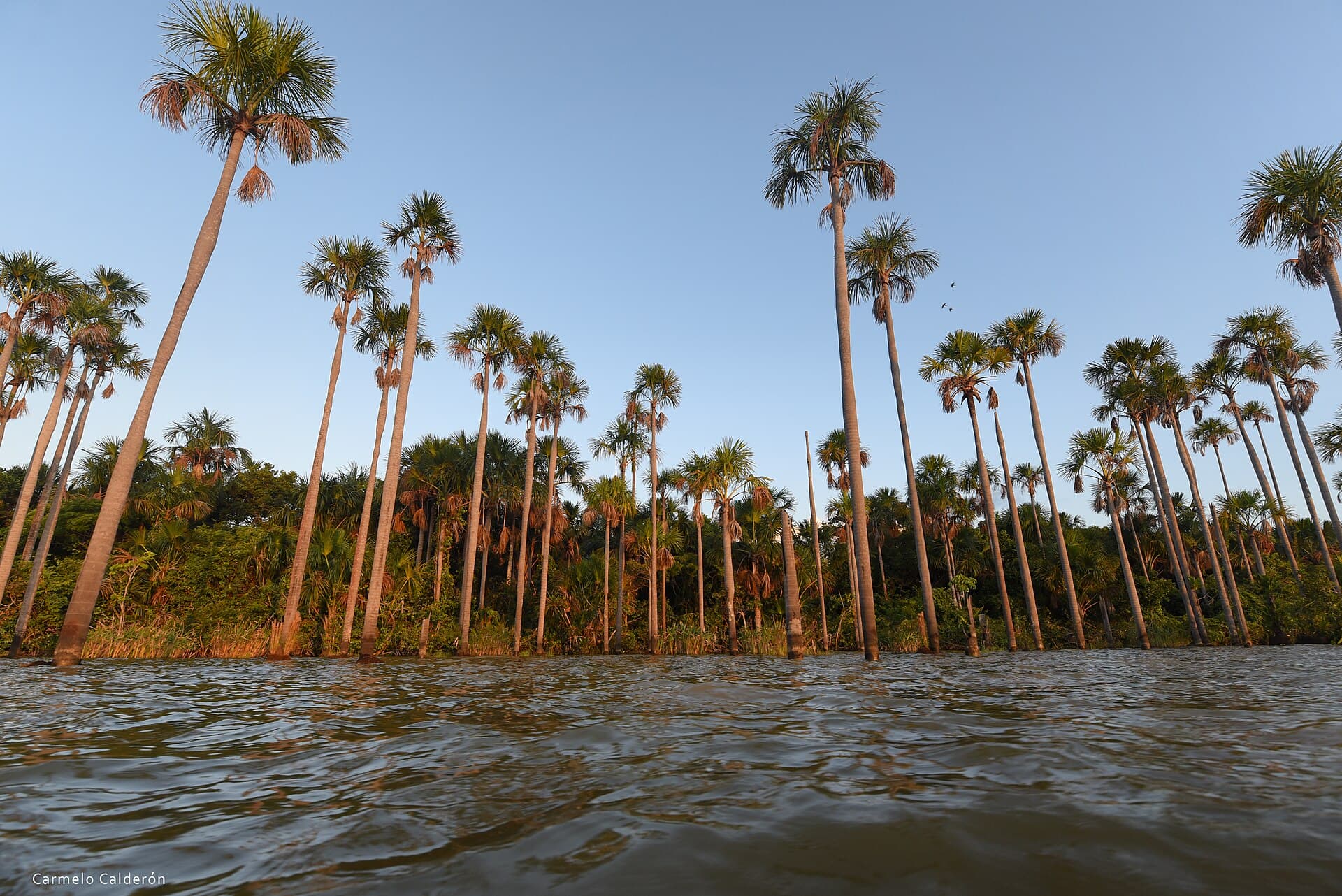
Rogaguado Lake stands out as one of the largest natural lakes in Bolivia’s Beni Department, nestled within the expansive Amazonian floodplains. Its shallow waters and surrounding savanna-forest mosaic create a unique habitat that draws birdwatchers, anglers, and travelers seeking solitude away from more commercialized Bolivian sites.
How to Reach Rogaguado Lake
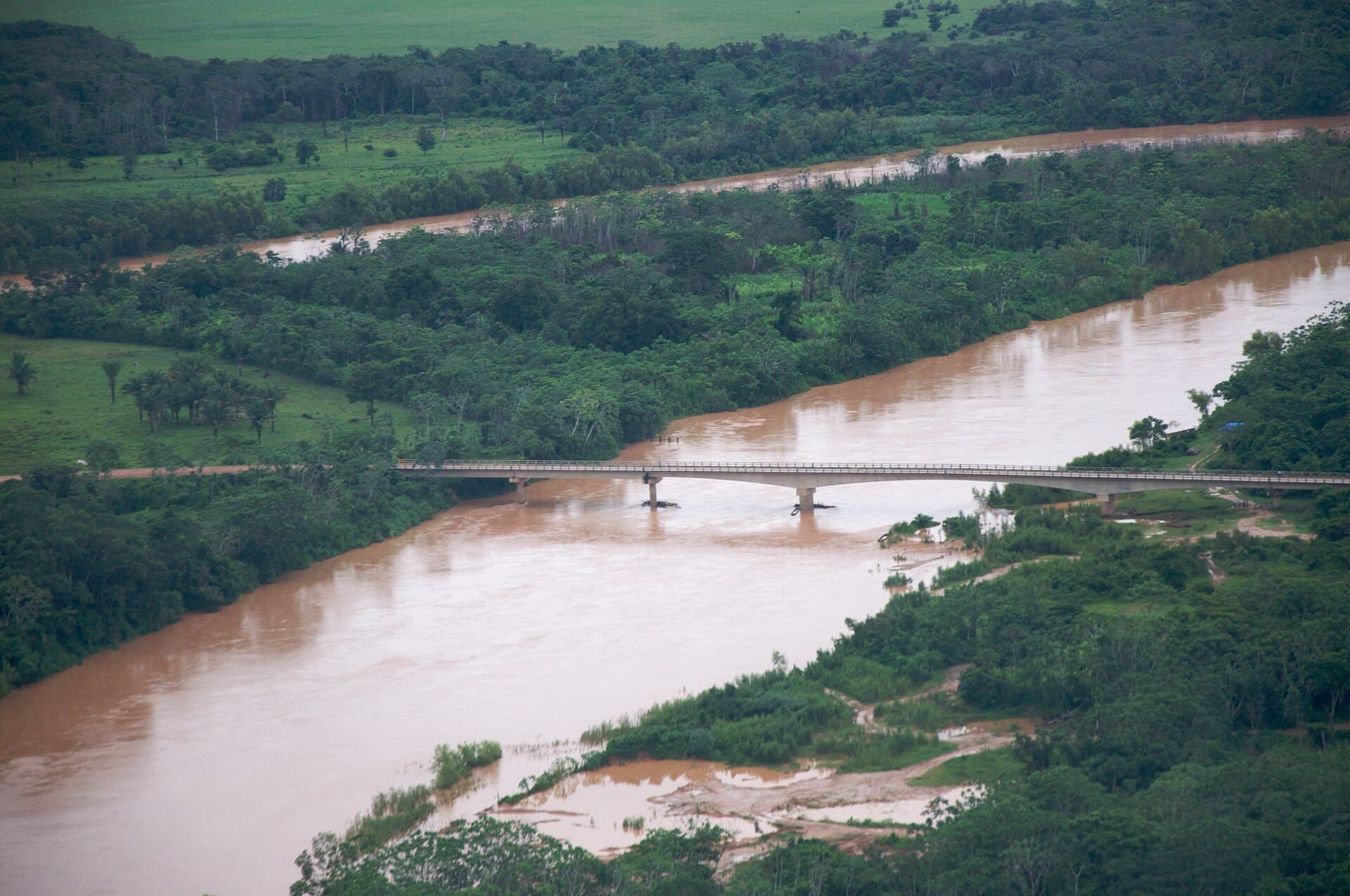
Access begins in the Beni lowlands, typically via the towns of Santa Ana del Yacuma or Reyes. Travelers fly into Reyes or Rurrenabaque, then continue by road or riverboat. The final stretch often requires a motorized canoe arranged through local operators, crossing seasonal waterways that connect the lake to the Mamoré River system.
Best Time to Visit
The dry season from May through October provides the most reliable conditions. Water levels drop, exposing sandbars and making boat travel easier while concentrating wildlife around remaining pools. The wet season brings lush growth but can render tracks impassable and increase mosquito activity.
What to See and Do
Boat excursions reveal large populations of waterfowl, including jabiru storks and herons, alongside caimans and river turtles. Local fishermen demonstrate traditional methods using nets and lines in the nutrient-rich waters. Visitors can also arrange visits to nearby Moxo indigenous communities to learn about raised-field agriculture and forest management practices that have shaped the landscape for centuries.
Wildlife Highlights
- Spot pink river dolphins surfacing in deeper channels during early morning.
- Observe giant river otters in quieter tributaries when water is low.
- Watch for capybaras grazing along the grassy shores at dusk.
Nearby Attractions
Combine a lake visit with stops at smaller neighboring bodies such as Rogagua Lake or the wetlands around the Isiboro-Sécure Indigenous Territory. These areas offer additional opportunities for canoe travel and cultural exchange without requiring long overland journeys.