Why Río Blanco Rewards Visitors
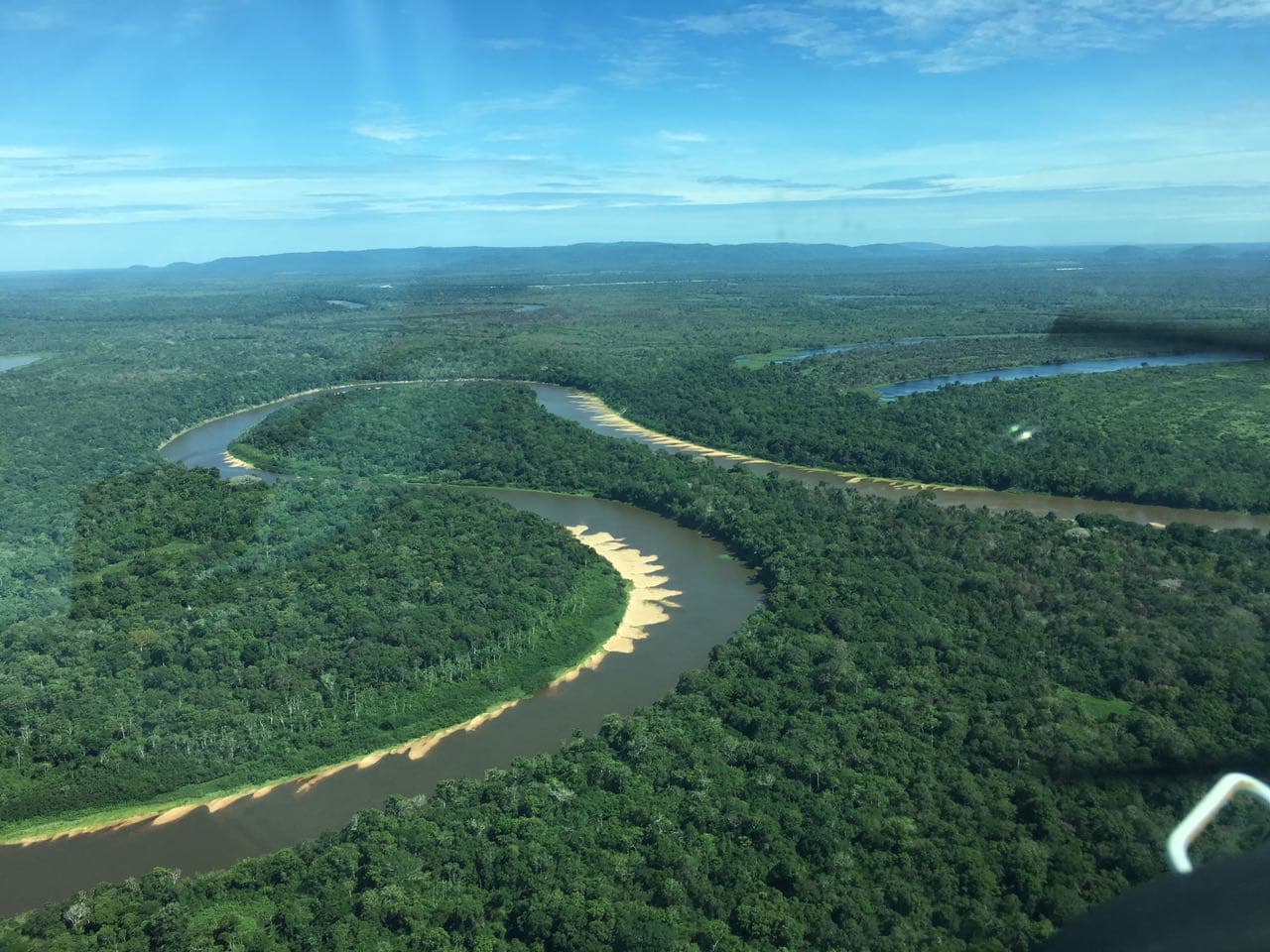
Río Blanco winds through the lowland forests of Beni Department, offering access to untouched Amazonian habitat far from crowds. Clear waters support abundant fish, while the surrounding gallery forest shelters monkeys, macaws, and caimans. Travelers seeking genuine wilderness rather than packaged tours find this river especially rewarding.
What to See and Do
Wildlife Watching from the Water
Early-morning or late-afternoon boat trips reveal river otters, capybaras, and colorful parrots. Bring binoculars and move quietly; the river’s width allows close approaches without disturbing animals.
Fishing and Catch-and-Release
Local guides know seasonal spots for peacock bass and catfish. Most visitors practice catch-and-release to protect the fishery that sustains communities along the banks.
Forest Walks and Community Visits
Short hikes from riverside camps reveal medicinal plants and birdlife. Some families welcome respectful visitors for a meal of fresh fish and plantains, providing direct insight into riverine life.
Getting There
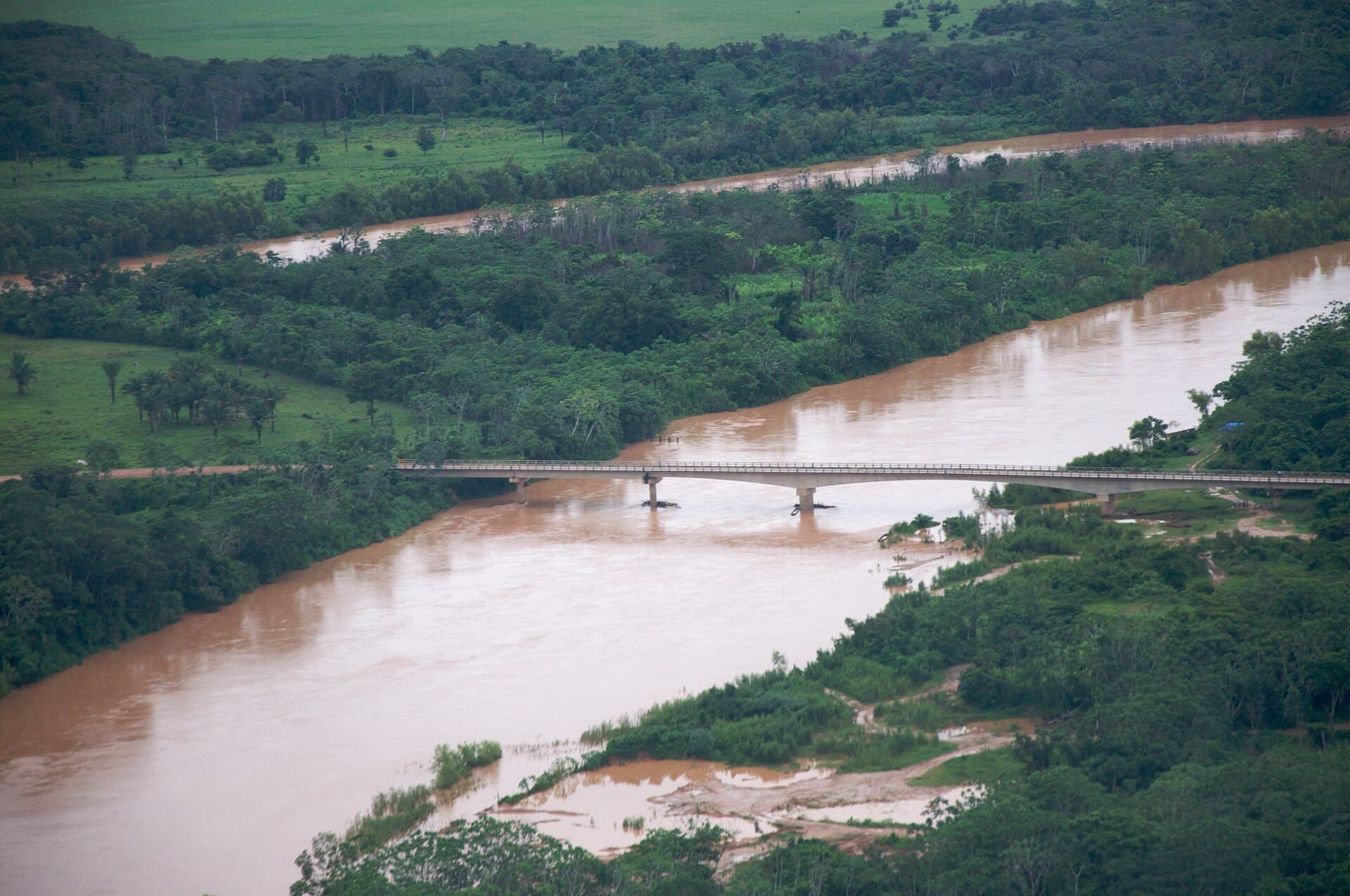
Reach the region by flying into Trinidad, then continuing by chartered light aircraft or multi-day riverboat to the upper Río Blanco. Overland routes from Riberalta involve unpaved roads that become impassable after heavy rain. Once on the river, travel is by motorized canoe or dugout.
Best Time to Visit
The dry season from May to October offers lower water levels, clearer navigation, and concentrated wildlife. The wet season brings dramatic floods and fewer access points, though birding can still be excellent in the remaining dry pockets.
Nearby Places Worth Exploring
- The larger Río Iténez, known for its pink dolphins and remote beaches
- Indigenous communities along the Río Mamoré offering cultural exchanges
- Forest reserves east of Riberalta for multi-day treks