Keep reading
Nearby & related
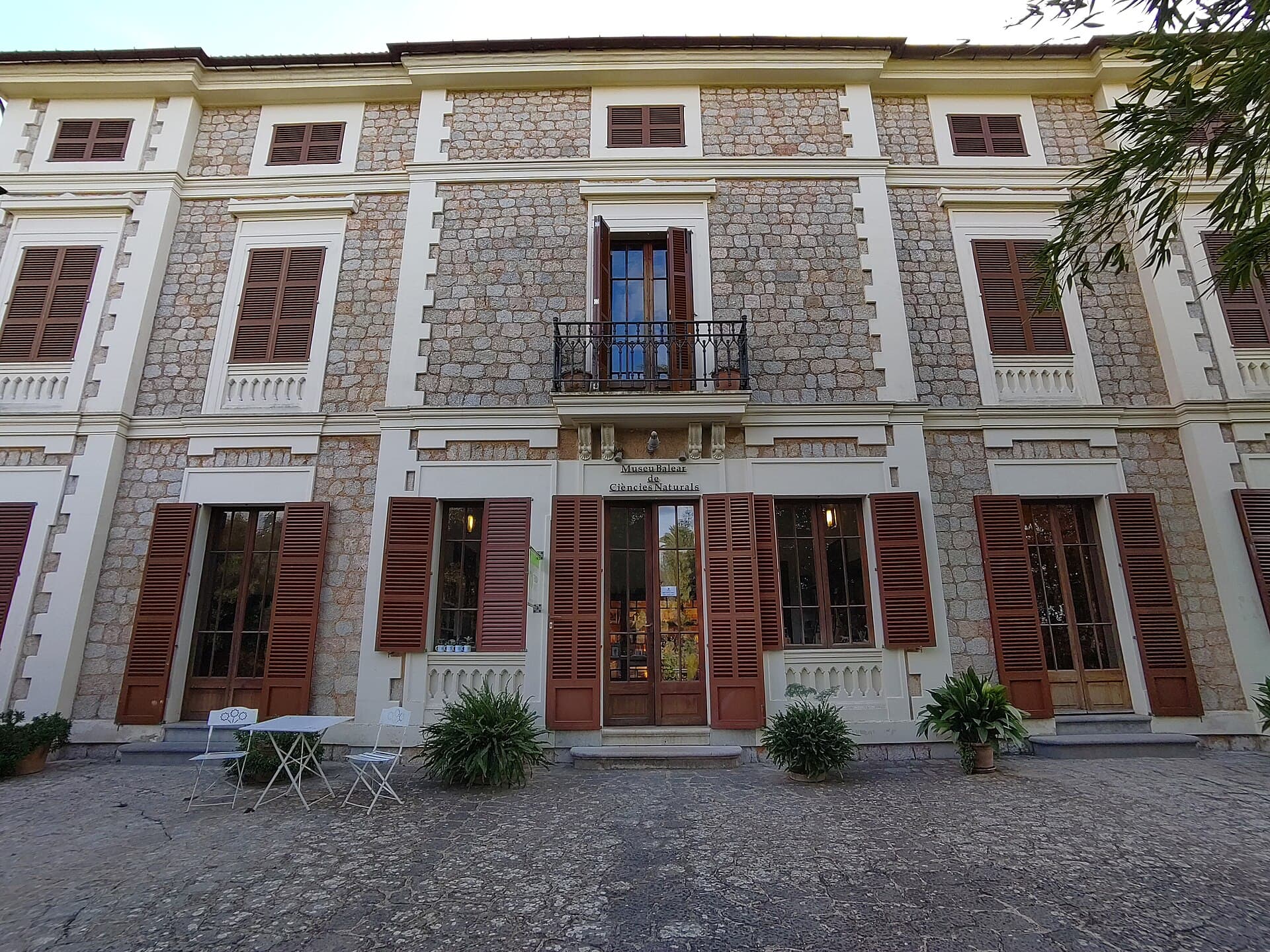
Museu Balear de Ciències Naturals: Mallorca’s Window into Balearic Biodiversity
Explore the islands’ geology, endemic plants, and wildlife at this focused natural-history museum in Sóller.
21 September 2026
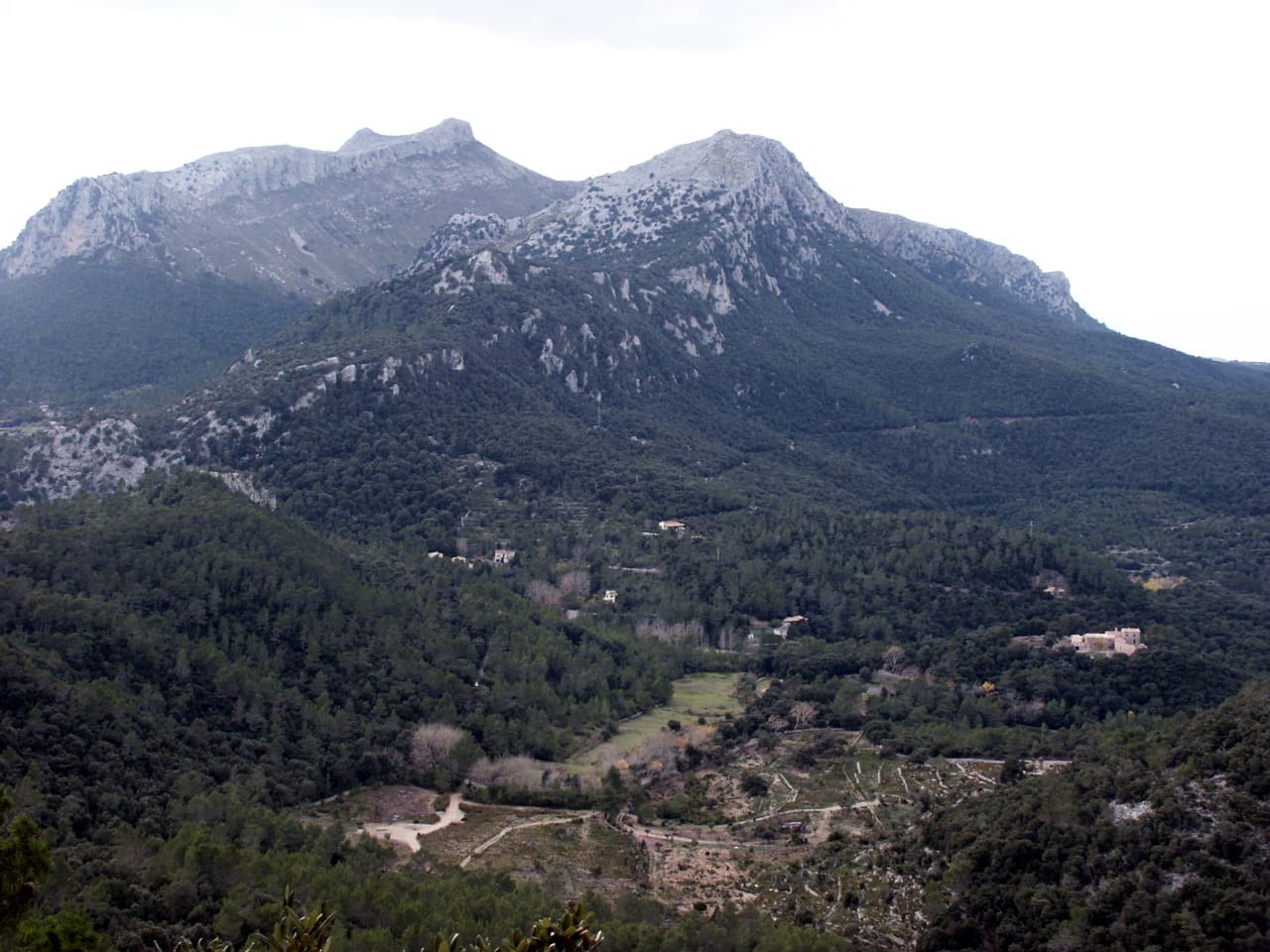
A rewarding climb through olive groves and pine forest to panoramic views over the northwest coast and neighboring peaks.
At 823 metres, Puig d’en Galileu rises in the heart of Mallorca’s Serra de Tramuntana, between the villages of Deià and Sóller. Unlike the crowded trails to Puig Major or Es Teix, this summit attracts fewer hikers yet delivers sweeping views across terraced valleys, the Mediterranean, and the dramatic limestone ridges that define the island’s northwest.
Most visitors start from the Coll de Sóller road (Ma-10) near the kilometre-17 marker. The well-marked path climbs steadily through ancient olive terraces before entering fragrant Aleppo pine woodland. After roughly two hours of ascent you reach a broad saddle; the final rocky scramble to the trig point takes another twenty minutes. On clear days the vista includes the Formentor peninsula to the north-east and the island of Sa Dragonera far to the south-west.
The lower slopes support centuries-old olive trees still cultivated by local farmers. Higher up, endemic species such as the Balearic cyclamen and the rare black vulture may be spotted. Spring brings carpets of wild orchids; autumn offers cooler temperatures and fewer visitors.
By car, park in the small lay-by at Coll de Sóller and follow the GR-221 dry-stone route signs. Public transport is limited; the Sóller bus from Palma stops at nearby Llucalcari, adding an extra hour of walking each way. No facilities exist on the mountain, so carry at least two litres of water per person and a head torch if descending late.
October through May offers the most comfortable temperatures and reliable clear views. Summer ascents are possible only with an early start to avoid midday heat and afternoon thunderstorms common in the Tramuntana.
Keep reading
Explore the islands’ geology, endemic plants, and wildlife at this focused natural-history museum in Sóller.
It is a moderate-to-strenuous outing requiring three to four hours round-trip with 500 m of elevation gain. Good fitness and proper footwear are essential.
The lower sections are family-friendly, but the final rocky scramble is best avoided with young children or anyone unsteady on their feet.
No reliable water sources exist. Pine forest provides intermittent shade, yet large stretches remain exposed; carry ample water and sun protection.
Dogs are permitted if kept on a lead; however, the rocky upper section can be uncomfortable for paws and livestock guard dogs may be encountered on lower terraces.
Descend immediately via the same marked path. The Tramuntana can generate sudden fog or thunderstorms; never rely on phone reception for weather updates.
A straightforward ascent to sweeping views across northeastern Mallorca’s coastline and countryside.
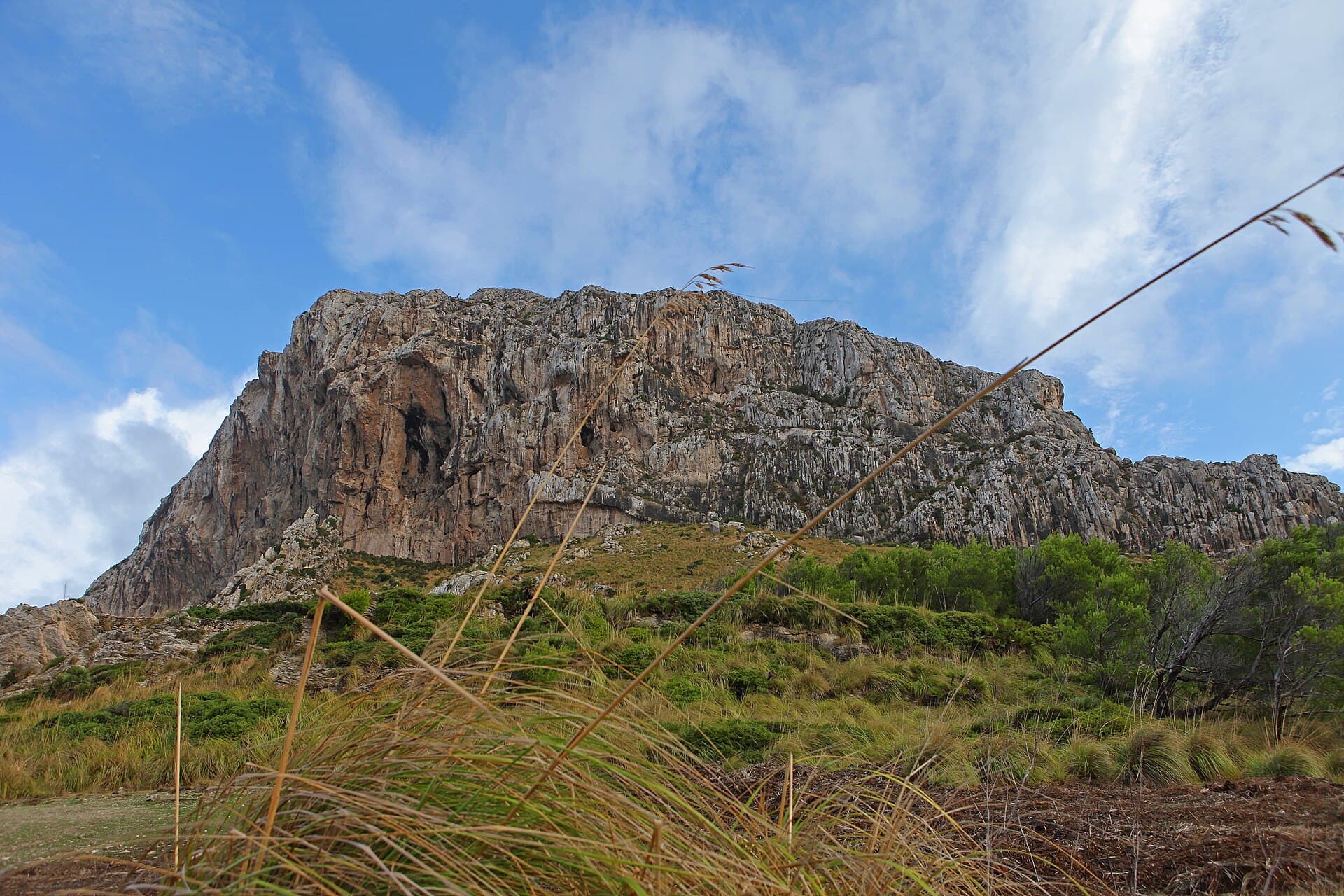
Scale the rugged summit of El Fumat for sweeping coastal views across Menorca’s wild north.