Skip to content
Plan & Tour
DestinationsItinerariesTravel BlogAboutContact
0Sign inPlan a trip
Plan & TourPlan & Tour

Travel guides, destination inspiration and curated itineraries for Canada, the USA and beyond, plus a free tool to plan your own day-by-day trip.

Get travel inspiration

Explore

  • All Destinations
  • Curated Itineraries
  • Travel Blog
  • Plan a Trip

Topics

  • Hiking & Nature
  • Food & Drink
  • City Breaks
  • Budget Travel

Company

  • About Us
  • Contact
  • Privacy Policy
  • Terms of Service

© 2026 Plan & Tour. Built for travellers.

Discover the world, one trip at a time.

Puig de Massanella: Hiking Mallorca’s Second-Highest Peak in the Tramuntana Range
  1. Home
  2. Destinations
  3. Balearic Islands
  4. Puig de Massanella: Hiking Mallorca’s Second-Highest Peak in the Tramuntana Range
Mountain

Puig de Massanella: Hiking Mallorca’s Second-Highest Peak in the Tramuntana Range

Experience sweeping island views and quiet trails on this standout mountain in Mallorca's UNESCO-listed Serra de Tramuntana.

Balearic IslandsUpdated 21 September 2026

Why Visit Puig de Massanella

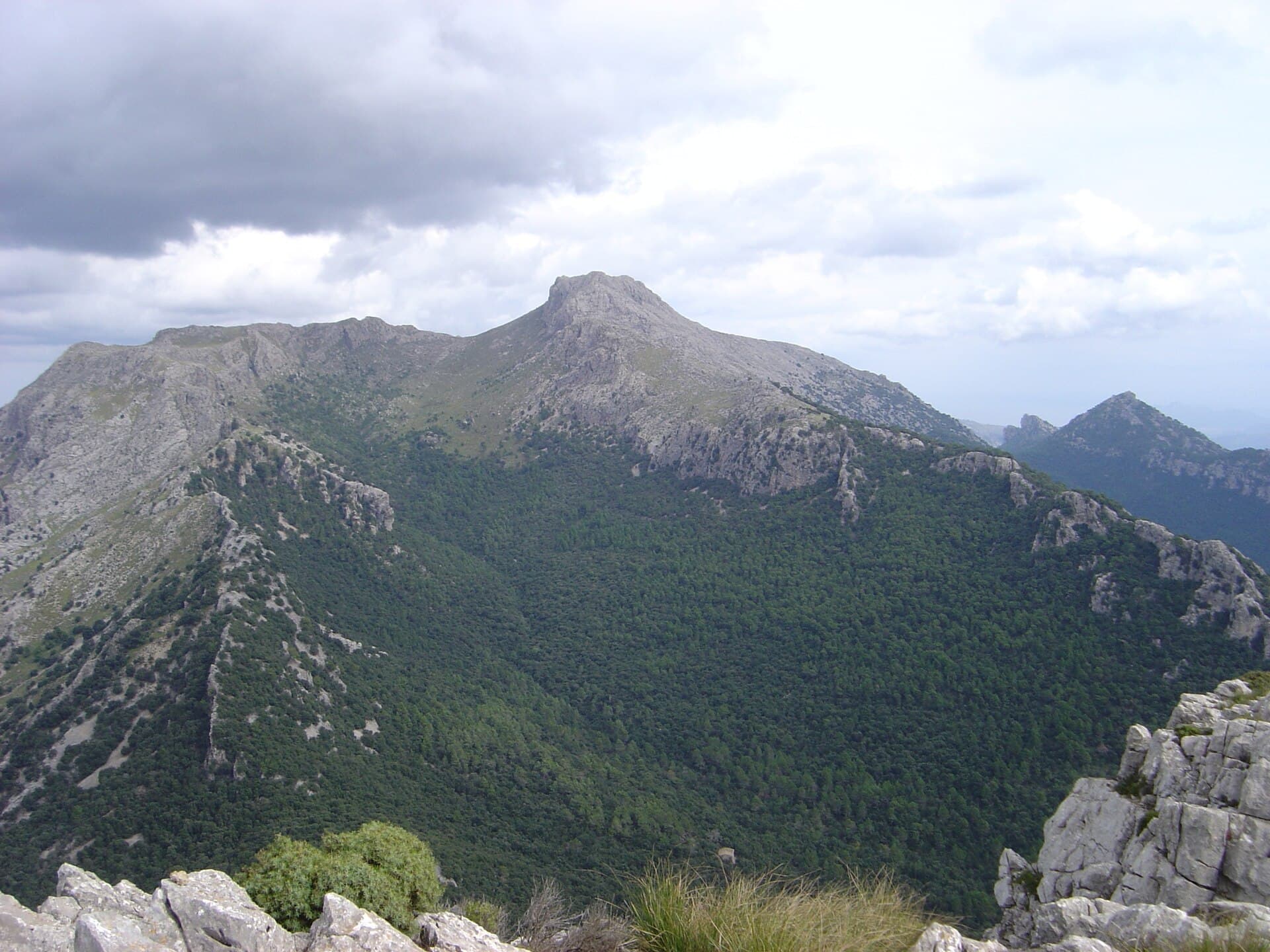
Puig de Massanella rises as the second-tallest summit on Mallorca, offering hikers a rewarding climb through pine forests and rocky limestone terrain. Its position in the Serra de Tramuntana delivers unobstructed panoramas across the island, from the northern coast to the central plains and distant peaks. The mountain forms part of a UNESCO World Heritage landscape prized for its terraced fields, dry-stone walls, and biodiversity, making the ascent feel like a journey through Mallorca’s natural and cultural heritage.

How to Get There

Most visitors reach the trailheads by car, driving along the MA-10 road that threads through the Tramuntana mountains. The most common starting point lies near the Monestir de Lluc, where a marked path begins the ascent. Public buses serve Lluc from Palma and other towns, though a rental car provides the flexibility needed for early starts or combining the hike with nearby villages. The final approach involves narrow mountain roads, so drivers should allow extra time and exercise caution on hairpin bends.

Best Time to Visit

Spring and autumn provide the most comfortable conditions, with mild temperatures and clear skies ideal for long-distance views. Summer brings intense heat and strong sun exposure on the open ridges, while winter can deliver snow or ice on higher sections. Early morning departures help avoid afternoon clouds that sometimes obscure the summit.

Things to See and Do

The main activity is the hike itself, which passes through holm oak woods before emerging onto open slopes with dramatic rock formations. At the summit, a small cairn and register mark the achievement, surrounded by 360-degree vistas that include the sea on clear days. Photographers often linger for golden-hour light, while birdwatchers may spot raptors riding thermals. Shorter variants allow partial ascents for those seeking less commitment, and the surrounding network of paths invites exploration of adjacent valleys and viewpoints.

Nearby Attractions

After descending, many travelers visit the historic Monestir de Lluc with its famous boys’ choir and botanical garden. The charming town of Sóller lies a short drive away, offering a vintage tram ride to the port and access to citrus groves. Further along the coast, the picturesque village of Deià and the dramatic cliffs of Sa Calobra provide additional day-trip options within the same mountain range.

Visitor tips

  • Wear sturdy hiking boots with good grip, as the upper sections involve loose scree and exposed rock.
  • Carry ample water and sun protection; shade is limited once you leave the tree line.
  • Check weather forecasts before setting out, as high winds or sudden storms can make the ridge unsafe.

Frequently asked questions

How long does the hike to Puig de Massanella take?+

A round-trip from the Lluc area typically requires four to six hours depending on fitness level and chosen route.

Is the summit accessible to beginners?+

The trail demands moderate fitness and some scrambling; complete novices may prefer guided groups or shorter nearby walks.

Do I need a permit to hike Puig de Massanella?+

No permit is required for standard routes, though access can be restricted during extreme fire-risk periods.

Are there facilities at the trailhead?+

The Monestir de Lluc provides parking, restrooms, and a cafu00e9; plan to bring your own snacks for the mountain itself.

What wildlife might I encounter?+

Look for Bonelli's eagles, wild goats, and endemic plants such as the Balearic cyclamen along the lower slopes.

Share
Google Maps Apple Maps Directions

Image: Antoni Sureda · CC BY-SA 3.0 · via Wikimedia Commons

Keep reading

Nearby & related

All stories
Poblat Pretalaiòtic des Figueral: Exploring Mallorca’s Hidden Bronze Age Village
Balearic Islands

Poblat Pretalaiòtic des Figueral: Exploring Mallorca’s Hidden Bronze Age Village

A quiet prehistoric settlement in northeastern Mallorca revealing early island life long before the Talayotic towers.

21 September 2026
Talaiot de Son Fred: Exploring Mallorca’s Ancient Talayotic Tower
Balearic Islands

Talaiot de Son Fred: Exploring Mallorca’s Ancient Talayotic Tower

Discover this well-preserved prehistoric monument hidden in the quiet countryside of central Mallorca.

21 September 2026
Temple Talaiòtic de Son Corró: Mallorca’s Ancient Talayotic Sanctuary
Balearic Islands

Temple Talaiòtic de Son Corró: Mallorca’s Ancient Talayotic Sanctuary

Step into the Bronze Age at this remarkably intact prehistoric temple set amid Mallorca’s rural heartland.

21 September 2026