Keep reading
Nearby & related
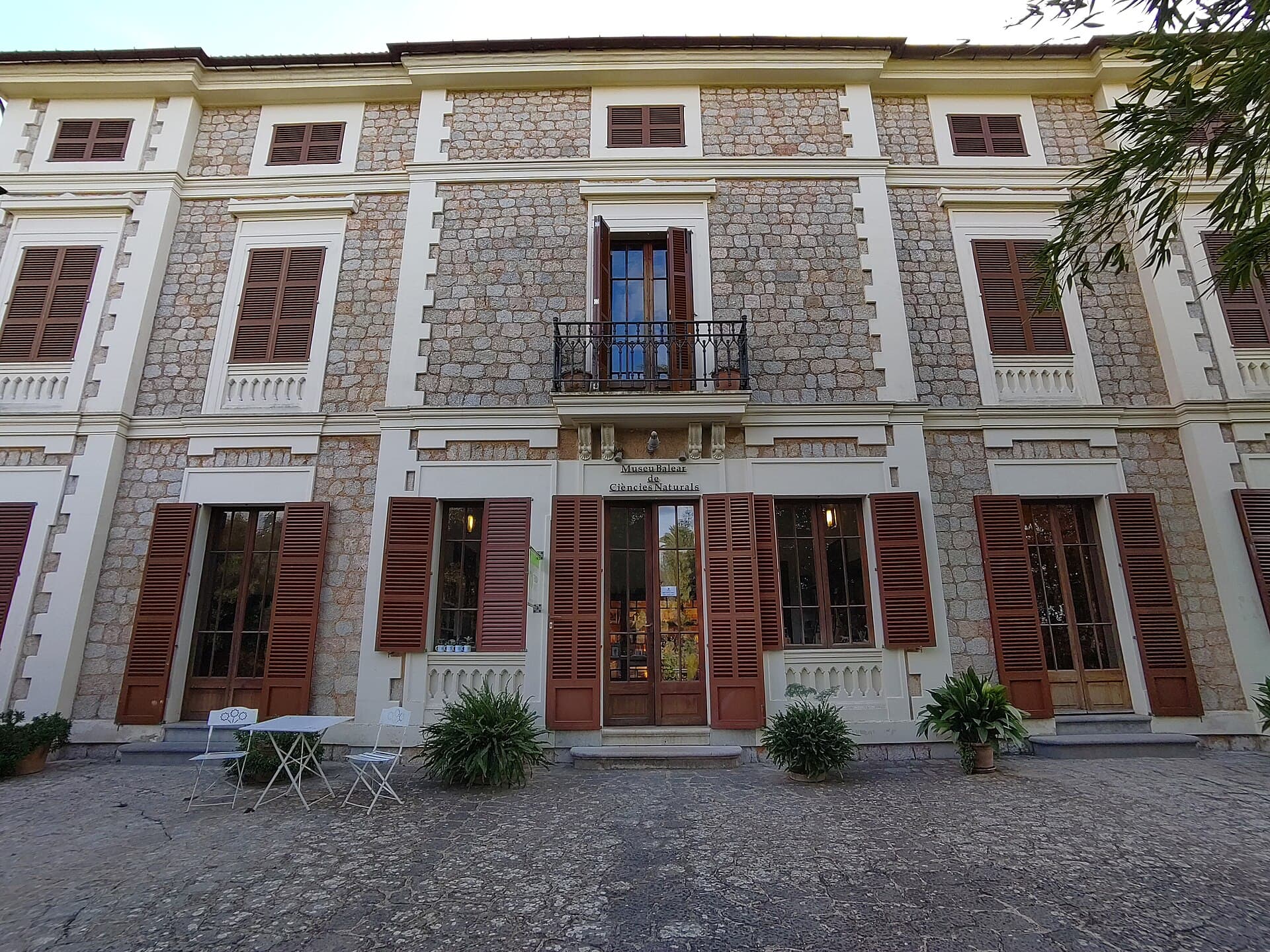
Museu Balear de Ciències Naturals: Mallorca’s Window into Balearic Biodiversity
Explore the islands’ geology, endemic plants, and wildlife at this focused natural-history museum in Sóller.
21 September 2026
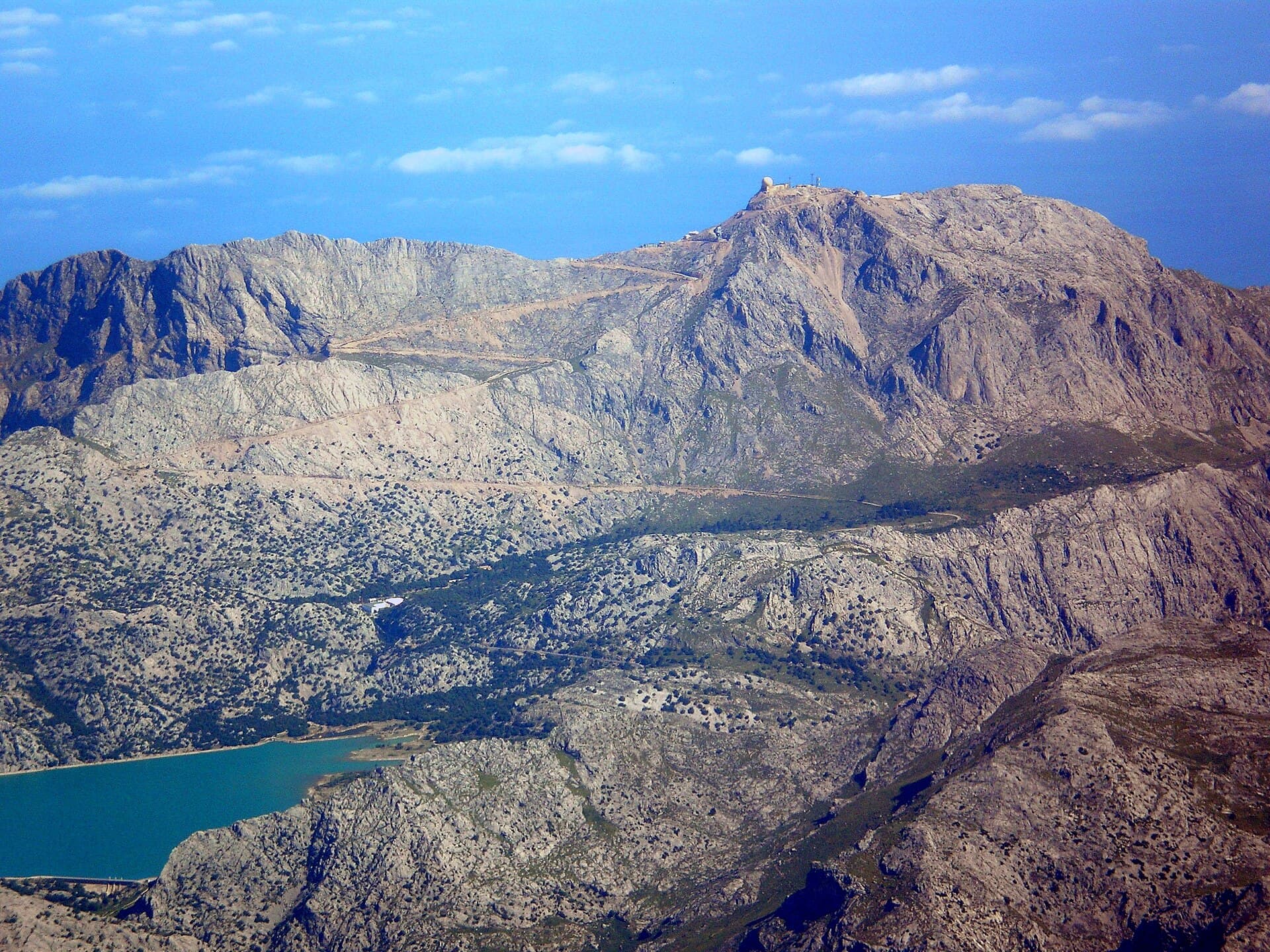
Scale the island’s tallest mountain for sweeping views across the UNESCO-listed Tramuntana range.
Puig Major rises 1,445 metres above sea level, making it the highest point in Mallorca and the Balearic Islands. Located in the dramatic Serra de Tramuntana, a UNESCO World Heritage cultural landscape, the mountain offers hikers and drivers unmatched panoramas of jagged limestone peaks, terraced valleys, and the Mediterranean Sea on clear days. A military radar station occupies the true summit, so visitors cannot reach the absolute top; instead, they enjoy excellent viewpoints and ridge walks on the surrounding slopes.
The mountain sits between the villages of Sóller and Pollença. Most visitors arrive by car along the Ma-10 coastal road, which threads through the Tramuntana and passes several trailheads. From Palma, allow about 45 minutes via the Túnel de Sóller. Public buses run to nearby Coll de sa Batalla and Fornalutx, though they require careful timing and additional walking. Parking is limited at popular trailheads; arrive early in peak season.
The most popular route begins at Coll de sa Batalla (approximately 700 m elevation) and follows a well-marked path through pine forest and rocky scree toward the subsidiary summit of Puig de sa Font. From there, hikers gain close-up views of Puig Major’s steep north face and the radar domes. The full out-and-back typically takes three to four hours. Stronger walkers can continue along sections of the GR-221 dry-stone route toward Tossals Verds or the Puig de Massanella. Bring sturdy boots; limestone terrain is loose in places and exposed to wind.
Spring (April–June) and autumn (September–November) deliver mild temperatures and fewer crowds. Summer brings intense heat and occasional thunderstorms; winter can close higher paths with snow or ice. Always check the mountain weather forecast before setting out, as conditions change rapidly above 1,000 metres.
Combine a Puig Major visit with the charming town of Sóller, reached by the vintage tram from the port, or the historic village of Deià with its coastal coves. The famous viewpoints at Mirador de Ses Barques and Cap de Formentor lie within a short drive, offering further perspectives on the Tramuntana coastline.
Keep reading
Explore the islands’ geology, endemic plants, and wildlife at this focused natural-history museum in Sóller.
No. A military installation occupies the top, so the highest accessible points are nearby ridges offering close views of the peak.
The standard route from Coll de sa Batalla is moderate to strenuous, with 700u2013800 m of elevation gain on rocky trails; allow three to four hours round-trip for fit walkers.
Only the lower forest sections near Coll de sa Batalla are appropriate for families; the steeper upper slopes require good fitness and sure footing.
No services exist above the road passes. Carry all supplies and plan to return to Su00f3ller or Pollenu00e7a for food and water.
Descend immediately via the same marked trail. The Tramuntana can experience sudden fog, wind, or thunderstorms even on forecast sunny days.
A straightforward ascent to sweeping views across northeastern Mallorca’s coastline and countryside.
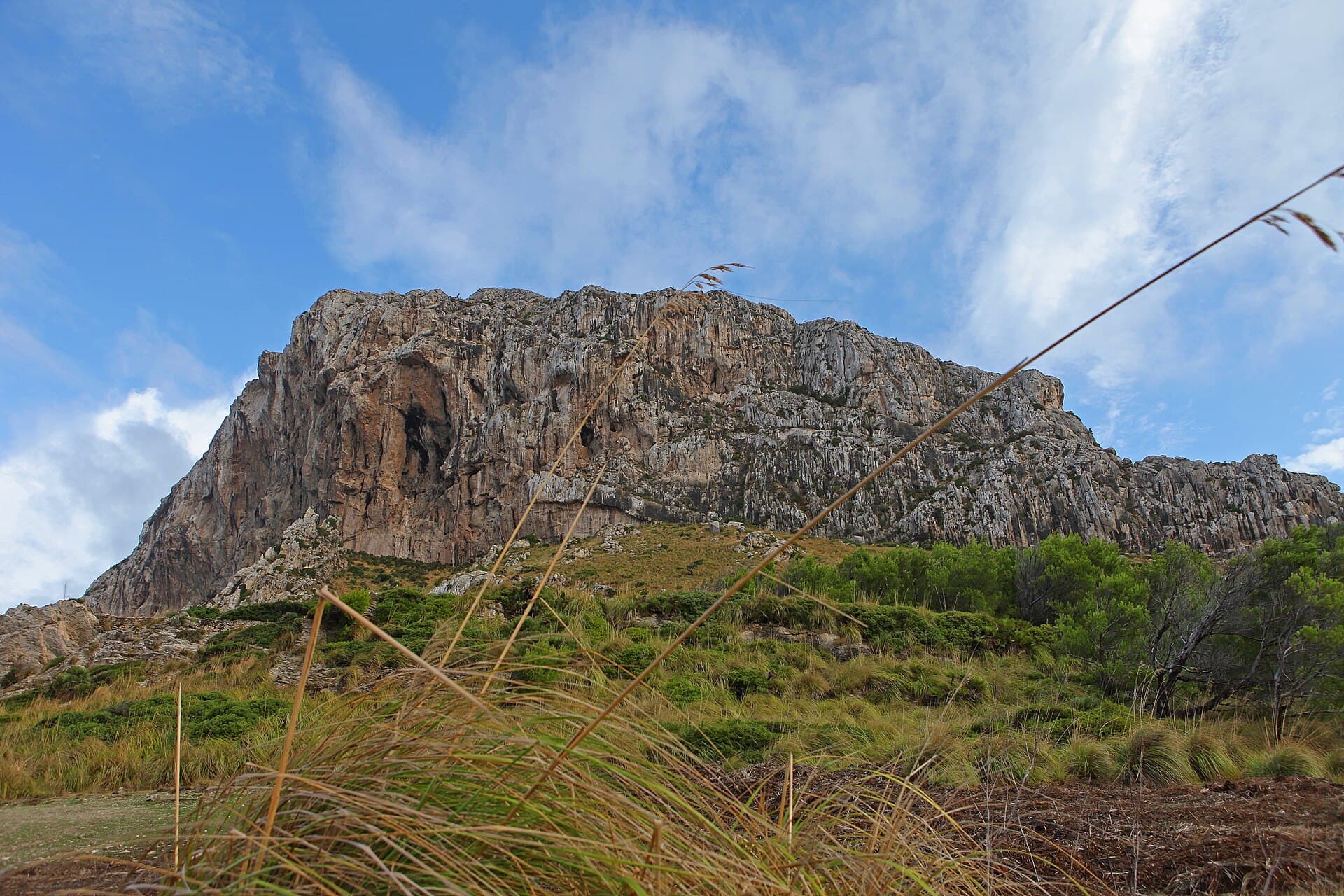
Scale the rugged summit of El Fumat for sweeping coastal views across Menorca’s wild north.