Why Prasat Prei Monti Rewards a Visit
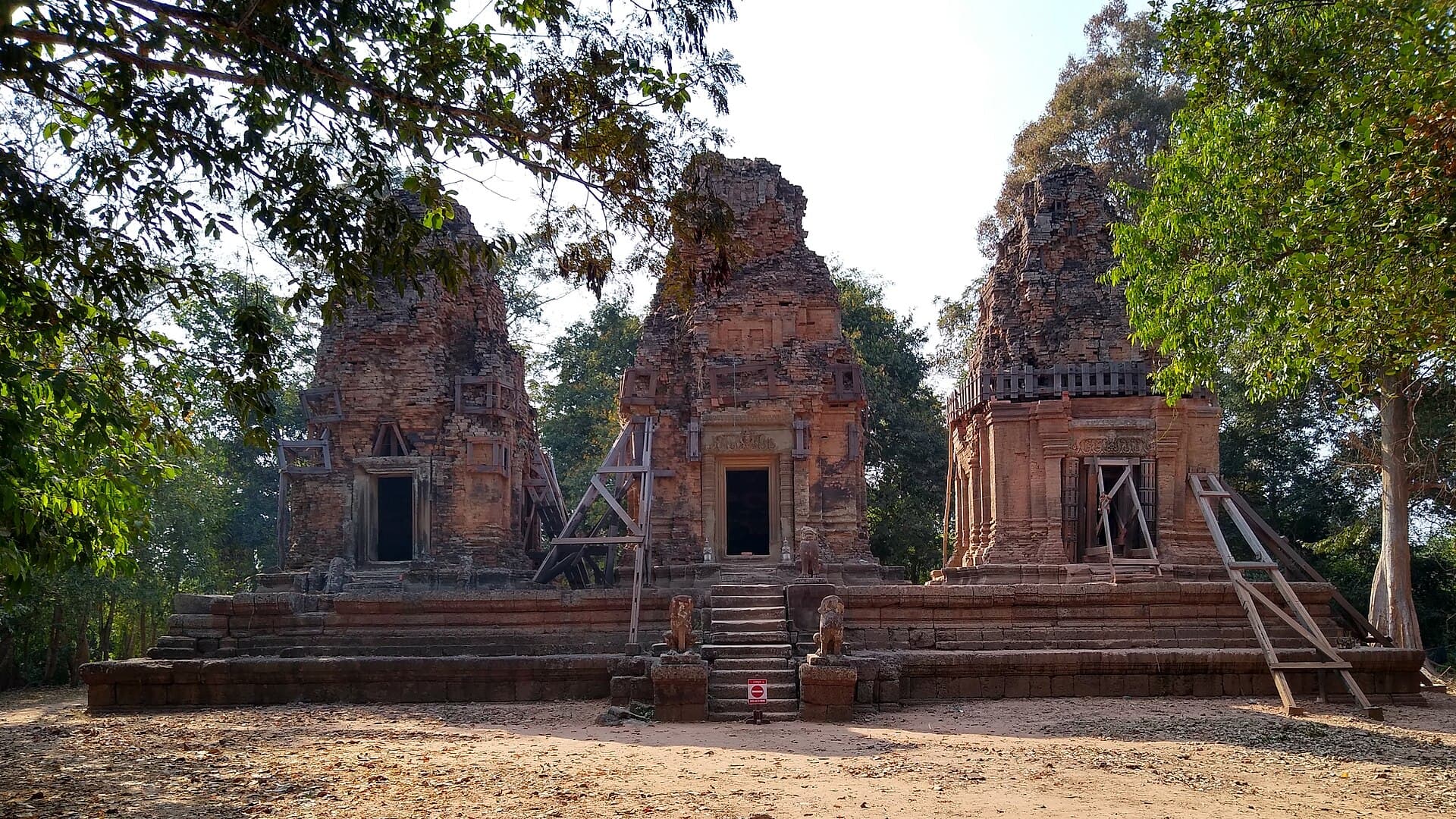
Prasat Prei Monti stands out among Siem Reap’s many temples for its intimate scale and relative solitude. Unlike the grand stone complexes of Angkor Wat or Bayon, this modest brick-and-laterite site lets travelers absorb Khmer artistry without the usual throngs. Its three main towers rise from a quiet clearing, their warm red bricks softened by centuries of tropical growth.
Architecture and Historical Context
Built during the early Angkorian period, the temple complex features three brick prasats aligned on a single platform, originally dedicated to Shiva. Intricate lintels and false doors display fine floral motifs and guardian figures carved directly into the brick. The use of brick rather than sandstone reflects the materials and techniques common before the great stone-building era that followed. A surrounding moat and remnants of a laterite enclosure hint at the site’s original layout and defensive planning.
What to See and Do on Site
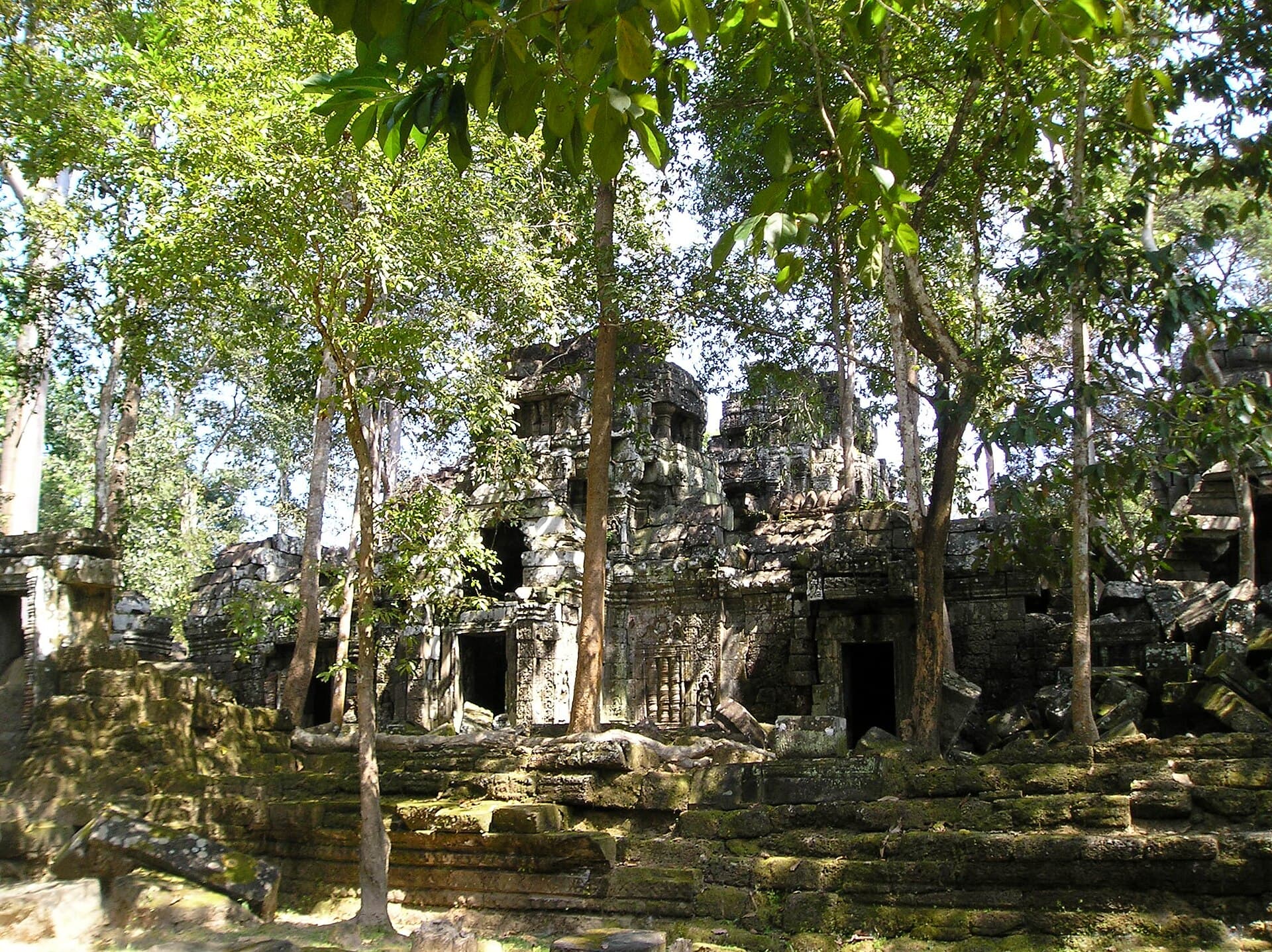
Begin at the eastern entrance and walk the low platform to examine each tower up close. Notice the differing states of preservation: the central tower retains the most detailed carvings, while the flanking structures show how vegetation and time have reshaped the ruins. Photographers will appreciate the soft morning light filtering through surrounding trees. Allow 45 to 60 minutes to circle the site, read inscriptions where visible, and sit quietly on the shaded laterite blocks.
Getting There and Best Time to Visit
Prasat Prei Monti lies within the Angkor Archaeological Park, roughly 15 kilometers northeast of Siem Reap town. Most visitors reach it by tuk-tuk, rented bicycle, or organized temple tour; the road is well maintained and passes rice fields and small villages. The dry season from November to February offers the most comfortable temperatures and clearest paths, though early morning or late afternoon visits help avoid any residual heat and provide better light for viewing details.
Nearby Attractions Worth Combining
The temple sits near other Roluos-group sites such as Bakong and Preah Ko, allowing a logical half-day circuit. After exploring the brick towers, travelers can continue to these larger complexes to compare architectural evolution across the same era. The surrounding countryside also offers opportunities for short walks or stops at local markets selling fresh coconut and seasonal fruit.