Keep reading
Nearby & related
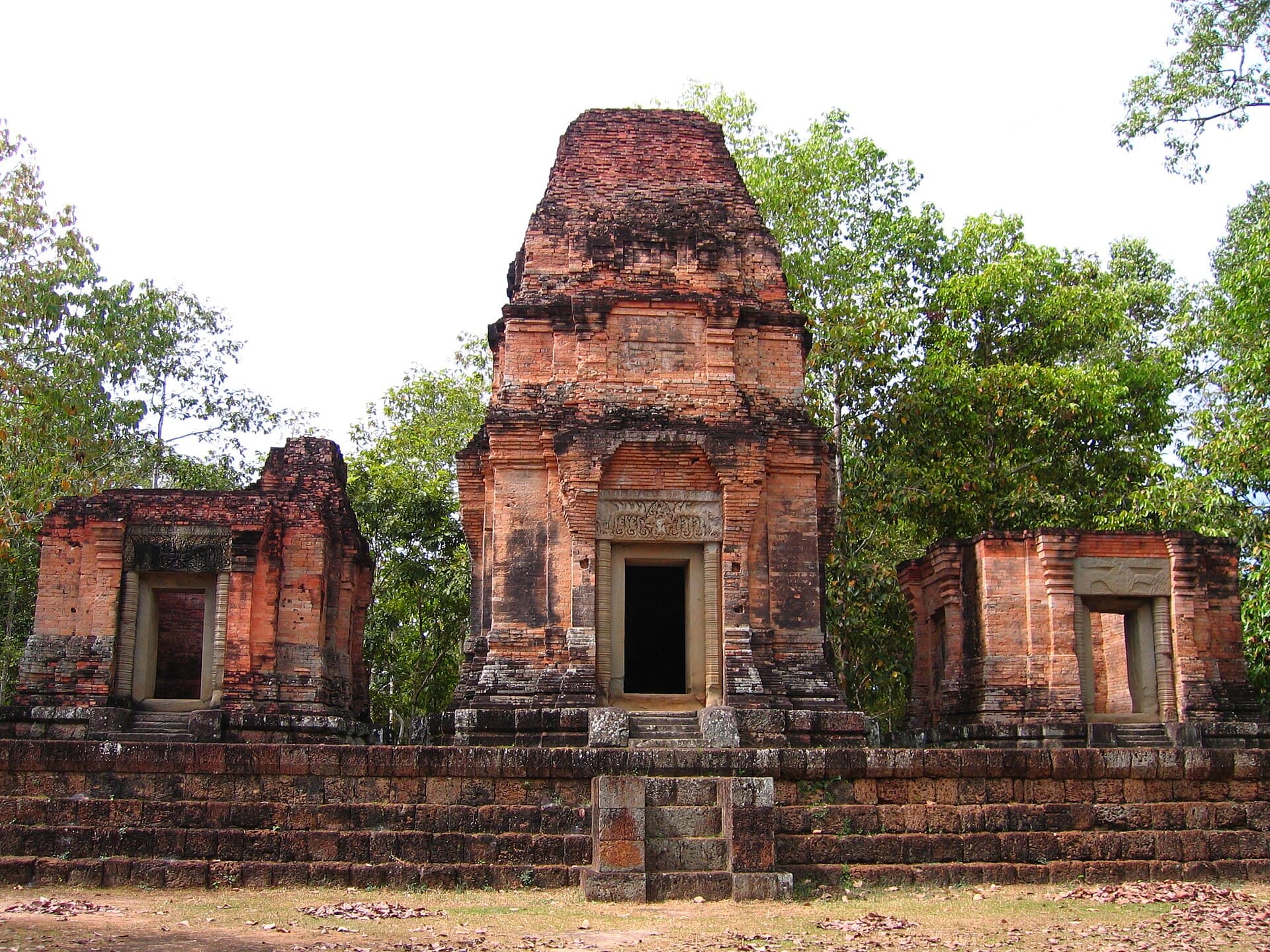
Prasat Bei: The Quiet Three-Tower Temple in Angkor’s Heart
A compact 10th-century sanctuary offering visitors an intimate look at early Angkorian brickwork just steps from busier…
20 October 2026
Phnum Chrab offers hikers uncrowded trails, forest canopy, and wide views across northern Cambodia’s plains.
Phnum Chrab rises gently above the flat landscape northwest of Siem Reap, giving visitors a short but rewarding escape from the temple crowds. The mountain’s modest elevation creates a cooler microclimate where mixed deciduous forest and bamboo groves provide shade along the paths. On clear days the summit rewards climbers with open views toward the Tonlé Sap floodplain and distant ridges.
Most travelers start from Siem Reap town. Motorbike taxis or private drivers take roughly forty-five minutes via Route 66 and a laterite track that ends at the base. Those preferring independence can rent a motorbike or join a small-group tour that includes a local guide. The final approach is on foot; no vehicle road reaches the higher slopes.
Two main routes exist. The shorter eastern path climbs steadily through bamboo stands and reaches the summit in about ninety minutes. The western loop is longer, passes a seasonal stream, and adds an hour of walking. Both trails are narrow and can be slippery after rain, but they require no technical climbing. Carry plenty of water and wear sturdy shoes.
The coolest and driest months, November through February, offer the most comfortable hiking conditions and clearest views. March to May brings higher temperatures and occasional haze, while the June-to-October rainy season turns paths muddy and may close sections due to swollen streams. Early morning starts are advisable year-round to avoid midday heat.
Phnum Chrab sits within easy reach of the Angkor Archaeological Park, Banteay Srei temple, and the floating villages on Tonlé Sap lake. Many visitors combine a morning hike with an afternoon temple circuit or a sunset boat trip on the lake. The mountain’s quiet trails offer a natural counterpoint to the stone ruins that dominate most itineraries.
Keep reading
A compact 10th-century sanctuary offering visitors an intimate look at early Angkorian brickwork just steps from busier…
Most hikers reach the summit in ninety minutes to two hours depending on fitness and chosen route.
The trails are moderate; beginners should start early, move slowly, and consider the shorter eastern path.
A local guide is strongly recommended for navigation and safety, though no official permit is required.
Yes. Many travelers hike in the morning and visit the temples in the afternoon or the following day.
Sturdy closed shoes, long sleeves for sun protection, insect repellent, and ample drinking water are essential.
Founded by a former Khmer Rouge child soldier, this Siem Reap museum reveals the ongoing human cost of landmines through…
This compact, little-visited temple reveals late-Angkorian stonework and offers a tranquil counterpoint to the main…