Skip to content
Plan & Tour
DestinationsItinerariesTravel BlogAboutContact
0Sign inPlan a trip
Plan & TourPlan & Tour

Travel guides, destination inspiration and curated itineraries for Canada, the USA and beyond, plus a free tool to plan your own day-by-day trip.

Get travel inspiration

Explore

  • All Destinations
  • Curated Itineraries
  • Travel Blog
  • Plan a Trip

Topics

  • Hiking & Nature
  • Food & Drink
  • City Breaks
  • Budget Travel

Company

  • About Us
  • Contact
  • Privacy Policy
  • Terms of Service

© 2026 Plan & Tour. Built for travellers.

Discover the world, one trip at a time.

Cambodian Landmine Museum: Confronting Cambodia’s Explosive Past
  1. Home
  2. Destinations
  3. Siem Reap Province
  4. Cambodian Landmine Museum: Confronting Cambodia’s Explosive Past
Museum

Cambodian Landmine Museum: Confronting Cambodia’s Explosive Past

Founded by a former Khmer Rouge child soldier, this Siem Reap museum reveals the ongoing human cost of landmines through personal stories and recovered ordnance.

Siem Reap ProvinceUpdated 19 October 2026

Why the Cambodian Landmine Museum Matters

More than four decades after the Khmer Rouge era, millions of unexploded ordnance still litter Cambodia’s countryside. The Cambodian Landmine Museum, located in Siem Reap Province, offers visitors a direct encounter with this lingering crisis. Founded by Aki Ra, who began clearing mines as a teenager using only a stick and basic tools, the site blends education, survivor testimony, and tangible artifacts to explain why landmines remain a daily threat for rural communities.

What to See and Do

Indoor galleries display thousands of defused mines, mortars, and cluster bomblets arranged by type and origin. Wall panels trace the timeline from French colonial conflicts through the Khmer Rouge regime to post-1990s demining campaigns. Outside, a shaded garden contains larger recovered items alongside explanatory plaques. A small cinema screens short documentaries featuring local farmers and amputees whose lives were altered by a single misstep. Visitors often spend time reading handwritten notes from Aki Ra himself, which describe his early solo clearance work and the personal motivation behind the museum’s creation.

Supporting Ongoing Demining

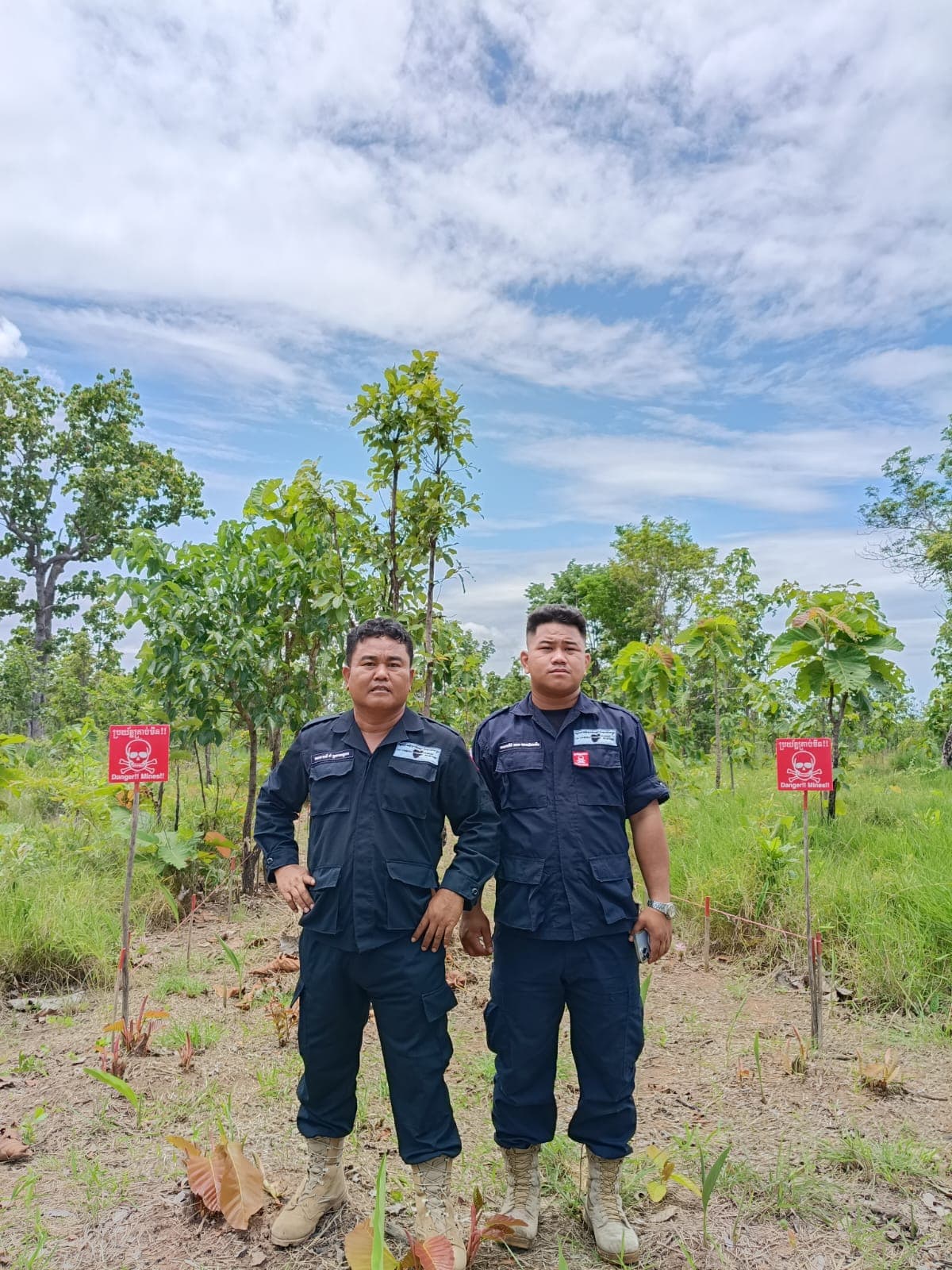
Proceeds from the modest on-site shop fund additional clearance teams. Purchasing a simple item such as a handwoven bracelet directly supports villagers who continue to remove ordnance from farmland and schoolyards. The museum also maintains a small library of reports from the Cambodian Mine Action Centre, allowing interested visitors to understand the technical and financial challenges of nationwide clearance projected to last decades more.

How to Get There

The museum sits roughly 25 kilometers north of Siem Reap town along the road toward Banteay Srei temple. Most travelers hire a tuk-tuk or private driver for a half-day excursion; many combine the stop with a morning visit to the outer Angkor temples. Motorbike rental is possible but requires caution on the unpaved sections near the entrance. Public buses do not serve the site directly, so independent transport is essential.

Best Time to Visit

The dry season from November through April offers the most comfortable conditions for walking the outdoor exhibits. Rainy-season visits remain feasible but can turn the surrounding laterite paths muddy. Early morning arrival avoids the midday heat and allows time for quiet reflection before tour groups arrive. Because the content is sobering, many visitors schedule the museum after the visual intensity of Angkor rather than before.

Nearby Attractions Worth Combining

The museum’s location makes it an easy add-on to a day exploring the Angkor Archaeological Park. After the museum, travelers often continue to Banteay Srei for its intricate pink-sandstone carvings or detour to the floating villages on Tonlé Sap lake. For those seeking deeper context, the nearby War Museum Cambodia provides additional military hardware displays that complement the landmine narrative without overlapping content.

Visitor tips

  • Allocate at least two hours to read survivor accounts and examine the range of ordnance on display.
  • Wear closed shoes if you plan to walk the garden paths, which can contain small stones and uneven ground.
  • Bring cash for the gift shop; purchases directly fund demining teams working in remote provinces.

Frequently asked questions

Is the Cambodian Landmine Museum appropriate for children?+

The exhibits are educational but contain graphic images and stories of injury; parents should preview the content or accompany younger visitors.

Does visiting the museum help clear landmines?+

Yes, revenue from entry and the gift shop supports Aki Rau2019s demining teams that continue to remove ordnance from Cambodian farmland.

Can I take photographs inside the museum?+

Photography is permitted in most areas; a few restricted displays are clearly marked to protect sensitive artifacts.

How far is the museum from Siem Reap town?+

It lies approximately 25 km north of central Siem Reap, reachable by tuk-tuk or taxi in 30u201345 minutes depending on traffic.

Are guided tours available?+

Staff members are usually present to answer questions; formal group tours can be arranged in advance through Siem Reap hotels or operators.

Share
Google Maps Apple Maps Directions

Visitor info

+855-15-674-163

Official website

Contact info via Wikidata

Image: Akiraclmmrf · CC BY 4.0 · via Wikimedia Commons

Keep reading

Nearby & related

All stories
M
Siem Reap Province

Mangalartha: A Secluded 13th-Century Hindu Shrine in Angkor Park

This compact, little-visited temple reveals late-Angkorian stonework and offers a tranquil counterpoint to the main…

19 October 2026
Yasodharapura: Exploring the Ancient Khmer Capital at Angkor
Siem Reap Province

Yasodharapura: Exploring the Ancient Khmer Capital at Angkor

Trace the monumental ruins of Cambodia’s once-thriving royal city amid the temples of Siem Reap.

19 October 2026
West Mebon: The Island Temple in Angkor’s Vast West Baray
Siem Reap Province

West Mebon: The Island Temple in Angkor’s Vast West Baray

A serene, rarely crowded 11th-century ruin on an artificial island in Cambodia’s largest reservoir.

19 October 2026