Why Mangalartha Rewards a Visit
Built in 1295 by Jayavarman VIII, Mangalartha is one of the final major Hindu constructions at Angkor. Its modest size and remote location within the archaeological park keep crowds away, letting visitors examine original lintels, pediments, and a central linga pedestal in relative silence. The temple’s name, meaning “auspiciousness,” reflects its dedication to Shiva; many of the surviving carvings depict dancing apsaras and floral motifs typical of the late 13th century.
What to See on Site
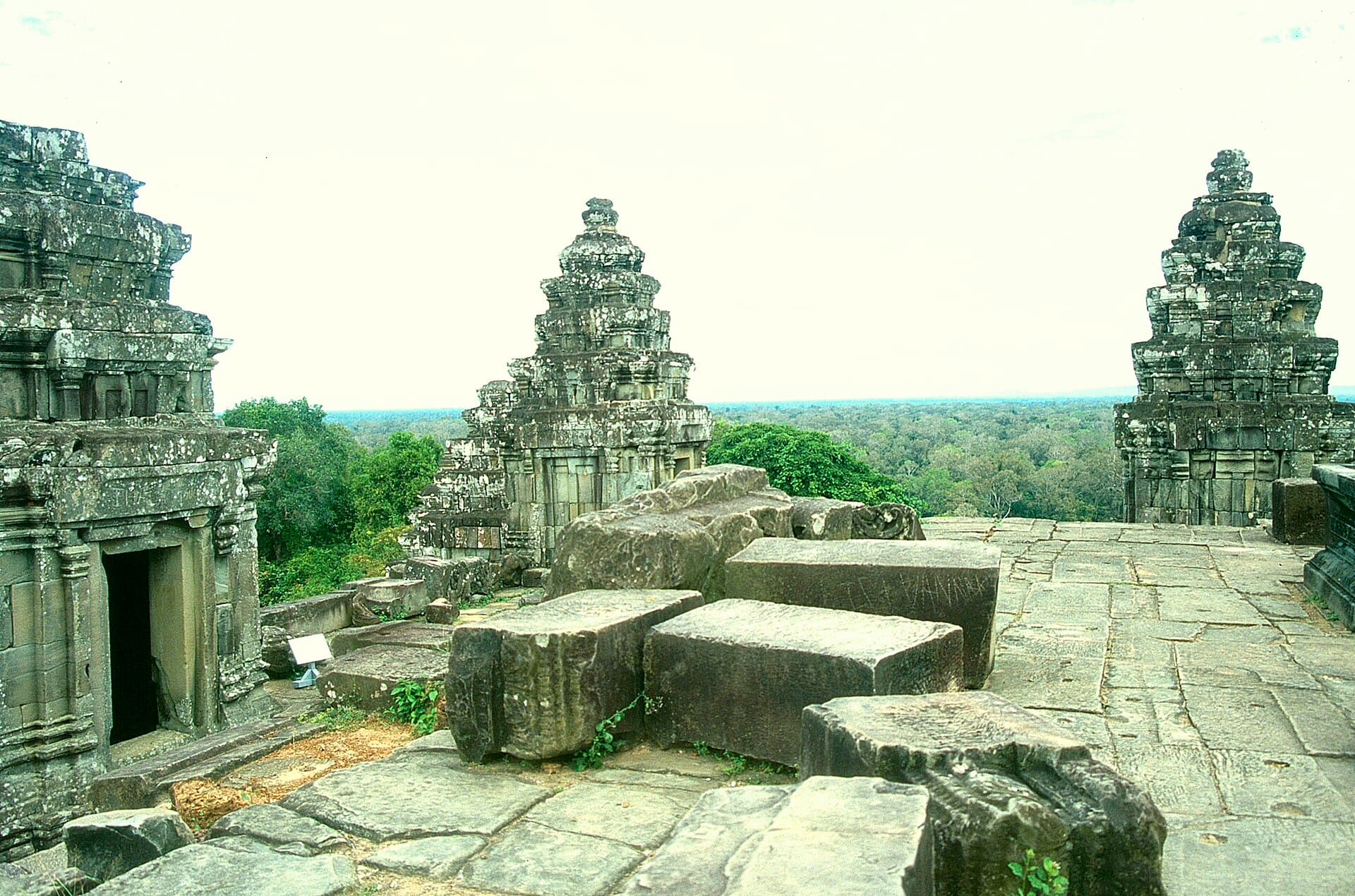
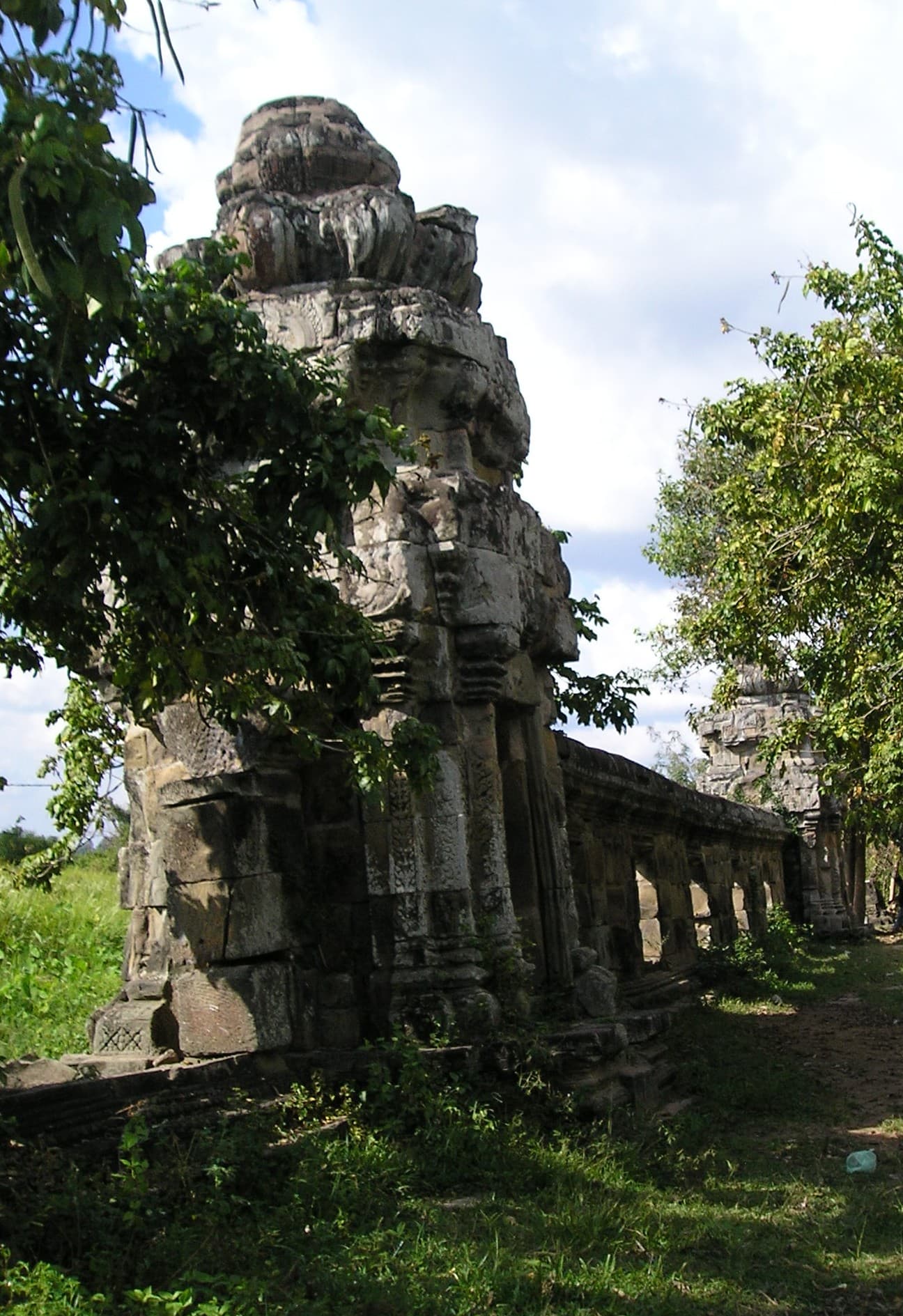
The main sanctuary sits on a low laterite base. Walk around the exterior to study the well-preserved eastern lintel showing Shiva on his bull Nandi. Inside the central chamber, light filters through gaps in the collapsed roof, illuminating a large yoni base still in situ. Scattered blocks nearby carry unfinished reliefs, evidence that construction halted when the king converted to Buddhism. A short path behind the temple leads to a small reservoir that still fills during the rainy season, offering a quiet spot for photographs.
Practical Layout
- Allow 30–45 minutes to explore the ruins and surrounding forest.
- Stay on marked paths; the surrounding moat is shallow but can be slippery after rain.
- Combine the stop with nearby East Baray viewpoints for a half-day loop.
Getting There
Mangalartha lies inside the Angkor Archaeological Park, roughly 1.5 km east of the Victory Gate of Angkor Thom. Most visitors reach it by tuk-tuk or electric bicycle on the small road that skirts the southern edge of the East Baray. Purchase the standard Angkor pass at the main ticket booths; the temple is included. From Siem Reap town center the journey takes about 20 minutes by motorbike taxi.
Best Time to Visit
The cool, dry months from November through February bring comfortable temperatures and clear light for photography. Arrive at opening (around sunrise) to avoid any tour groups that occasionally pass through. The site remains accessible year-round, though paths can become muddy from May to October.
Nearby Attractions
Combine Mangalartha with the massive East Baray reservoir, the ornate Banteay Kdei monastery, and the tree-covered Ta Prohm. These three sites form a logical eastern circuit that can be completed in a single morning before the heat intensifies.