Discovering the Petitot River
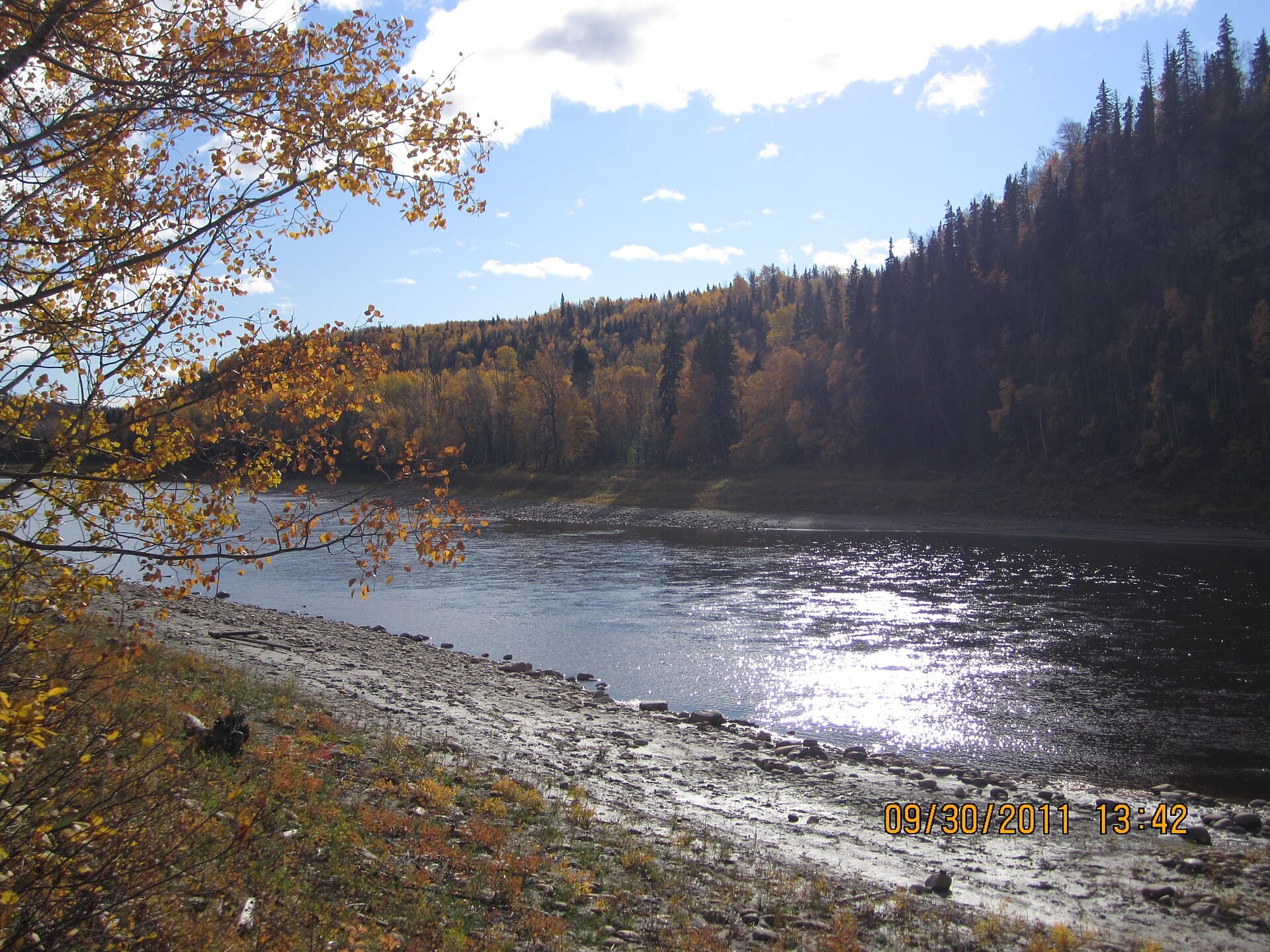
The Petitot River drains a vast, roadless expanse of boreal forest and wetlands in northeastern British Columbia. It begins in the foothills west of the Horn Plateau and flows eastward, crossing into Alberta and the Northwest Territories before joining the Liard River system. This remote waterway offers visitors a true frontier experience with minimal infrastructure and abundant wildlife.
Why This River Stands Out
Unlike more accessible southern rivers, the Petitot remains largely untouched. Travelers encounter dense spruce and tamarack forests, expansive muskeg, and frequent sightings of moose, black bears, and migratory birds. The river’s tea-colored water supports northern pike, walleye, and Arctic grayling, making it a destination for serious anglers seeking uncrowded fishing.
Getting There
Access begins from Fort Nelson, the nearest major hub with an airport and fuel. Travelers continue north on the Alaska Highway to the Petitot River bridge crossing near the community of Prophet River. From there, experienced paddlers launch canoes or kayaks for multi-day trips downstream. Float-plane charters from Fort Nelson or Fort Simpson provide drop-offs at upstream lakes for those seeking longer wilderness routes. Four-wheel-drive vehicles are essential on any side roads.
Best Time to Visit
July and August offer the most reliable water levels and longest daylight for paddling and fishing. Early September brings cooler temperatures and fewer insects but shorter days. Winter travel is possible only by snowmobile or ski, and spring breakup creates dangerous ice conditions.
Activities Along the River
- Canoe and kayak touring: Multi-day trips reveal changing scenery from narrow forested channels to wider, slower sections ideal for spotting wildlife.
- Fishing: Cast for pike and grayling from shore or boat; catch-and-release is encouraged to maintain the fishery.
- Wildlife viewing: Quiet paddlers often observe moose feeding in shallows and beaver activity along the banks.
- Camping: Gravel bars and forested benches provide dispersed campsites; visitors must practice strict Leave No Trace principles.
Nearby Destinations
The Liard River offers a natural continuation for extended paddling trips. To the west, the Northern Rocky Mountains Provincial Park provides hiking and hot springs accessible by vehicle from the Alaska Highway. Travelers often combine a Petitot journey with visits to Fort Nelson’s heritage sites or the dramatic scenery of the Alaska Highway corridor.