Why Visit Peña Cebollera
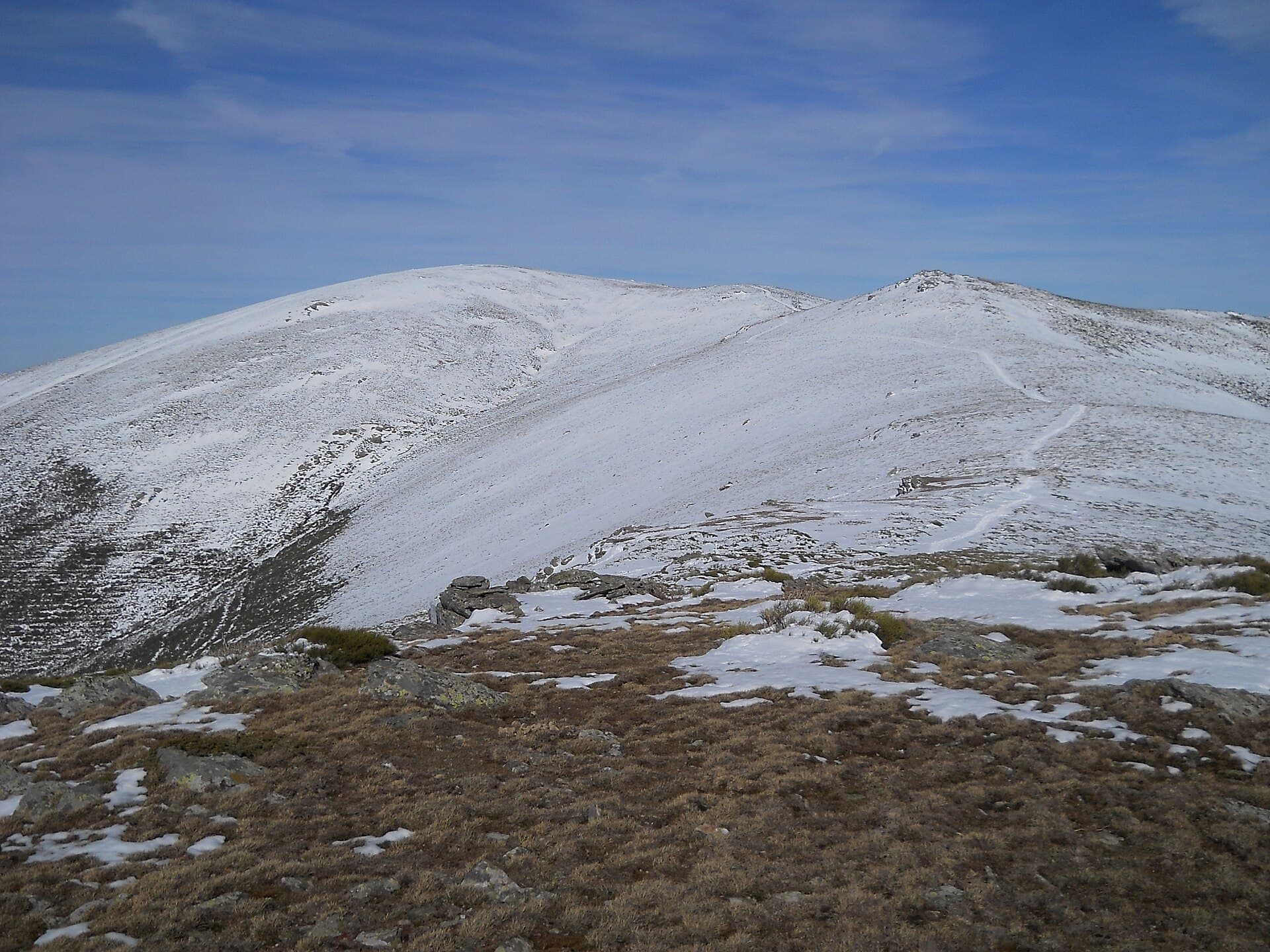
Peña Cebollera rises as a prominent granite summit in the Sierra de Ayllón, marking a high point within Guadalajara province. Its position delivers expansive vistas over rolling hills, pine forests, and distant ridges that stretch toward the borders with Madrid and Segovia. Visitors value the mountain for its sense of isolation and the clear contrast between exposed rock faces and surrounding meadows.
Hiking and Outdoor Activities
The primary draw is hiking. Well-defined trails lead from lower trailheads through oak and pine woodlands before climbing open slopes to the summit. Expect moderate to strenuous routes that reward effort with 360-degree panoramas on clear days. Birdwatchers often spot griffon vultures circling the ridges, while the lower elevations support wildflowers in spring. Winter visits suit experienced hikers with crampons, though most prefer the snow-free months for safer footing on rocky sections.
Flora and Fauna Highlights
The mountain supports typical Mediterranean mountain ecosystems. Look for Spanish juniper on rocky outcrops and herds of ibex on steeper faces. The area forms part of broader conservation zones that protect these species and maintain traditional grazing patterns.
Getting There and Access
Reach the mountain by road from Guadalajara city or smaller towns such as Tamajón and El Berrueco. Forest tracks and rural lanes lead to common starting points for hikes. Public transport options remain limited, so most travelers arrange private vehicles or guided transfers. Once at the trailheads, clear signage helps route finding on the main paths.
Best Time to Visit
Late spring through early autumn provides the most reliable conditions for hiking. Summer brings longer daylight but can turn hot on exposed sections, so early starts are advisable. Autumn offers cooler temperatures and colorful foliage at lower elevations. Winter is possible for those equipped for snow and ice, yet sudden weather changes require careful planning.
Nearby Places Worth Exploring
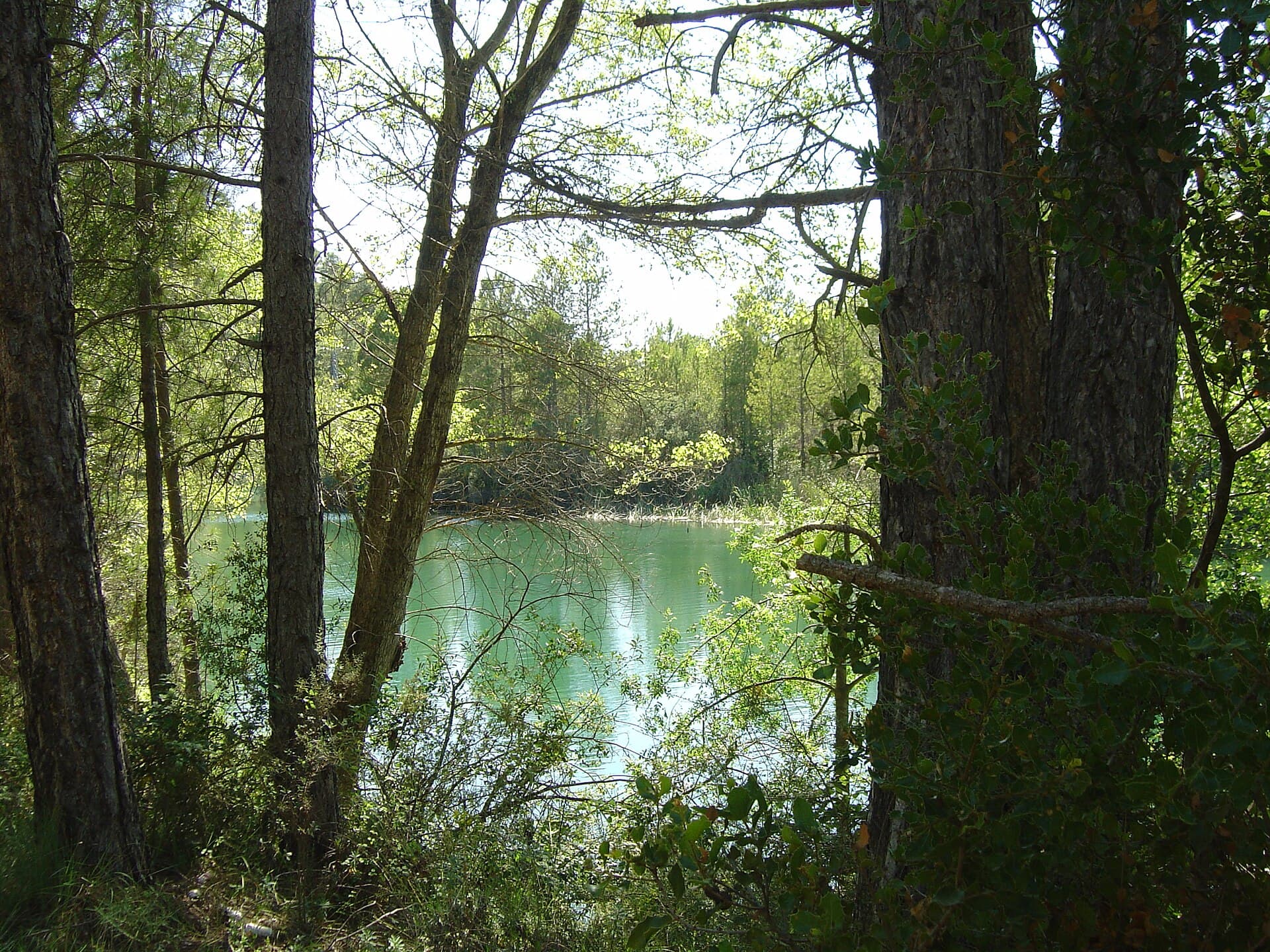
Combine a visit with the historic villages of the Sierra de Ayllón, where Romanesque churches and stone architecture reflect the region’s heritage. The nearby Hayedo de Tejera Negra beech forest provides a lush contrast to the rocky summit, while reservoirs in the valleys offer opportunities for scenic drives or short walks along the water.