
Keep reading
Nearby & related
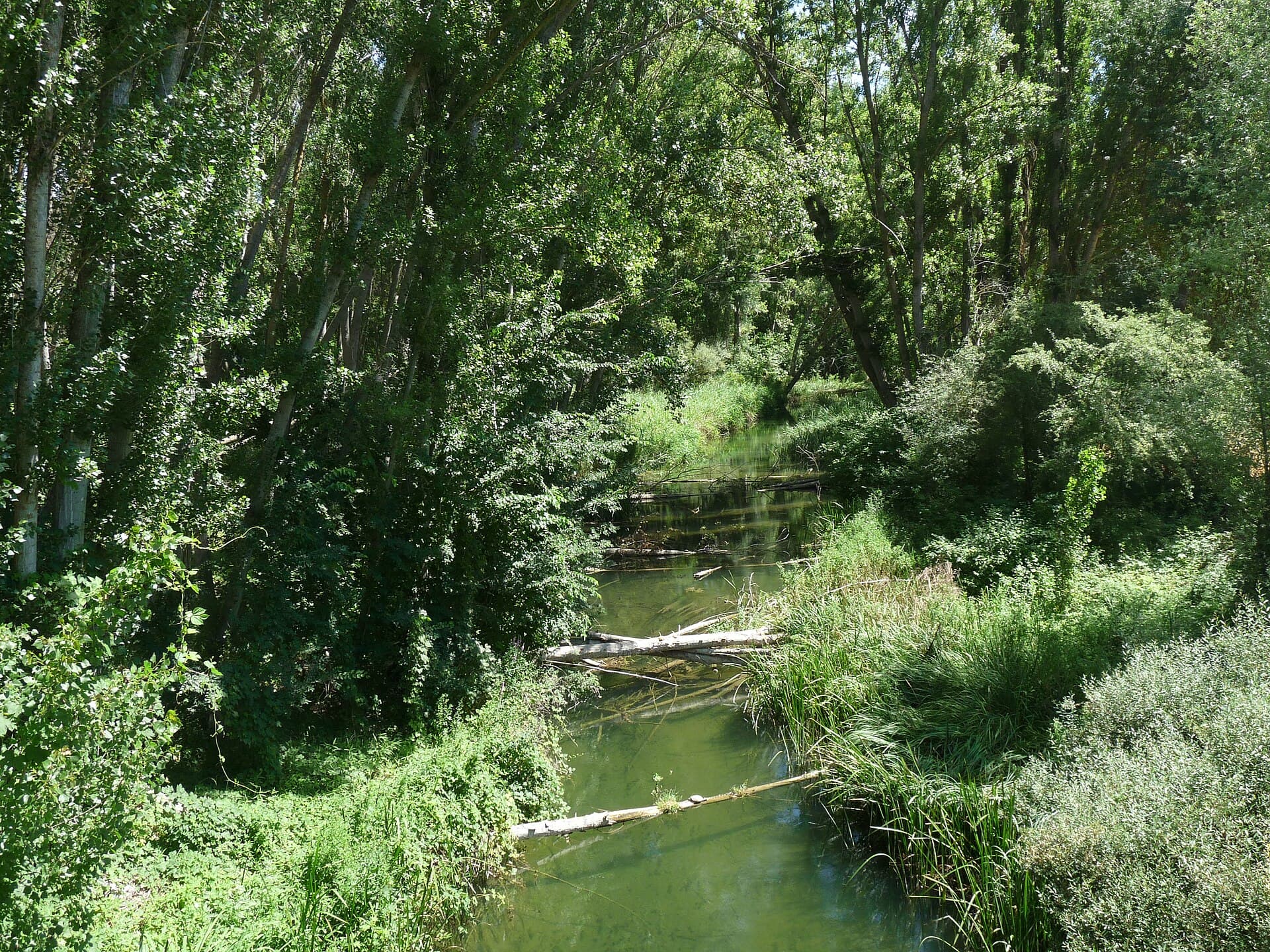
Tajuña River: Scenic Valley Walks in Guadalajara Province
The Tajuña River carves a quiet, fertile corridor through Castile–La Mancha, offering walkers and nature lovers an…
24 November 2026
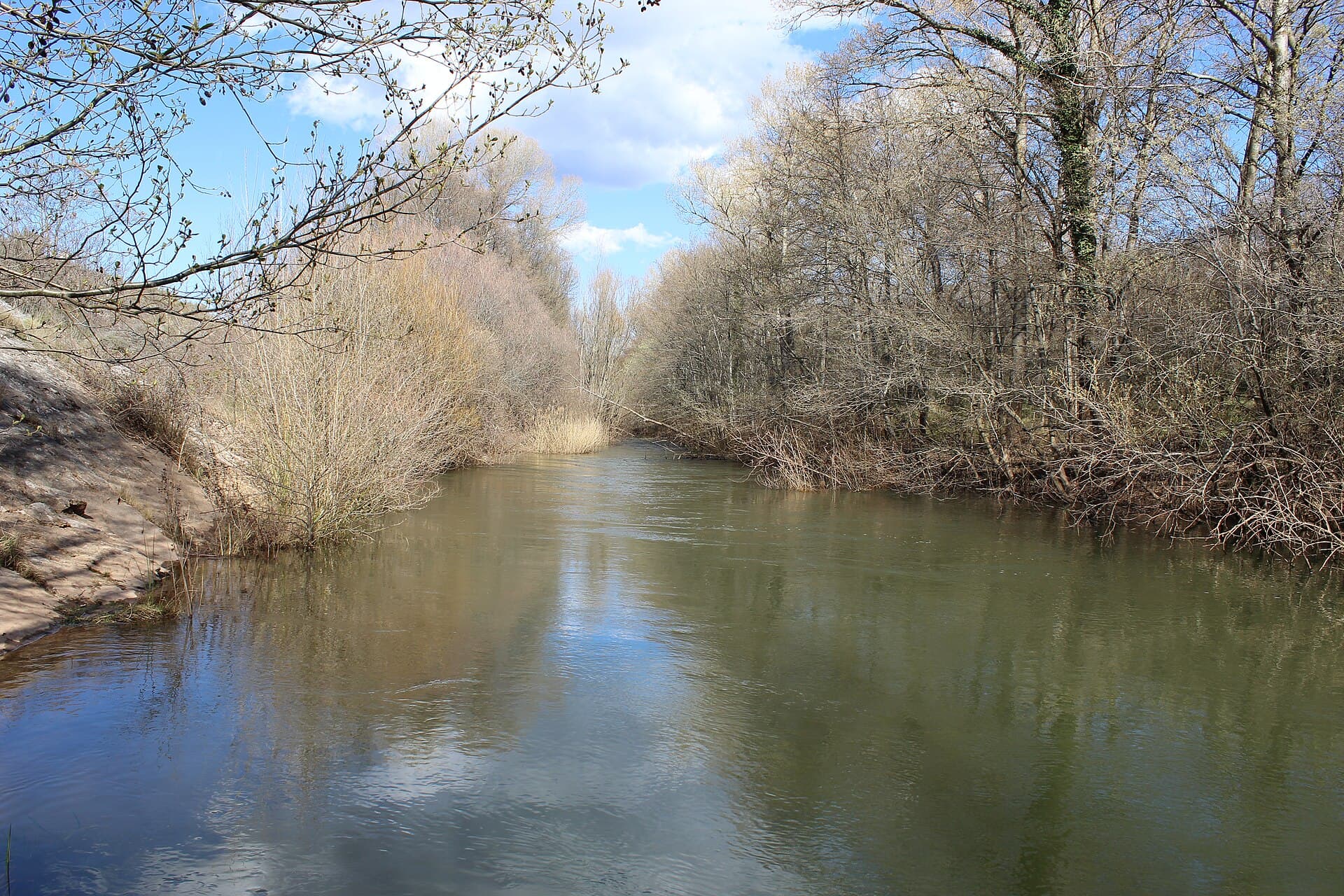
Follow the Jarama’s course through pine forests and historic valleys in Castile-La Mancha for hiking, fishing, and quiet natural escapes.
The Jarama River rises in the Sierra de Ayllón mountains of Guadalajara Province and flows southward, carving a fertile corridor through Castile–La Mancha. Its upper reaches near the given coordinates offer visitors a quieter alternative to busier Spanish rivers, with clear waters, riverside meadows, and dramatic rock formations shaped by centuries of erosion.
Walk or cycle the riverside paths that follow the water through mixed pine and oak woodland. Anglers target trout and barbel in permitted stretches, while birdwatchers scan for kingfishers, herons, and the occasional golden eagle soaring above the valley. In spring, wildflowers carpet the banks; in autumn the foliage turns rich gold and red. Photographers find striking compositions at the narrow gorges and small weirs where the river narrows.
Most visitors arrive by car from Madrid (roughly 90 minutes northeast) or Guadalajara city (about 45 minutes). The CM-1005 and local forest roads provide access to trailheads; public transport is limited, so arrange a taxi or rental vehicle for flexibility. Park only in designated areas to protect riparian vegetation.
Late spring (May–June) and early autumn (September–October) bring mild temperatures, flowing water, and fewer insects. Summer can be hot and dry with lower river levels; winter visits reward hardy hikers with empty trails and possible frost on the banks, though some access roads close after heavy snow.
Combine a river visit with the medieval village of Atienza, the dramatic rock formations of the Ciudad Encantada de Tamajón, or the UNESCO-listed Hayedo de Tejera Negra beech forest. The Jarama eventually joins the Tagus near Aranjuez, allowing multi-day itineraries that link river, forest, and royal heritage sites.
Keep reading
The Tajuña River carves a quiet, fertile corridor through Castile–La Mancha, offering walkers and nature lovers an…
Swimming is possible in deeper pools during summer, but currents can be strong after rain and there are no lifeguards. Always check water levels locally first.
Local operators in Guadalajara occasionally run small-group hiking and nature tours; contact the provincial tourism office for current seasonal offerings.
Wild camping is restricted in many sections. Use official campsites in nearby villages or obtain permission from landowners for overnight stays.
Expect otters, trout, and numerous bird species. The valley forms part of a protected corridor, so keep dogs leashed and maintain distance from animals.
Gentle riverside paths near villages work well for families; avoid steep gorge sections and supervise closely near the water.
Small bars and grocery stores exist in the closest villages; bring your own food and water for full-day hikes along the upper river.