
Keep reading
Nearby & related
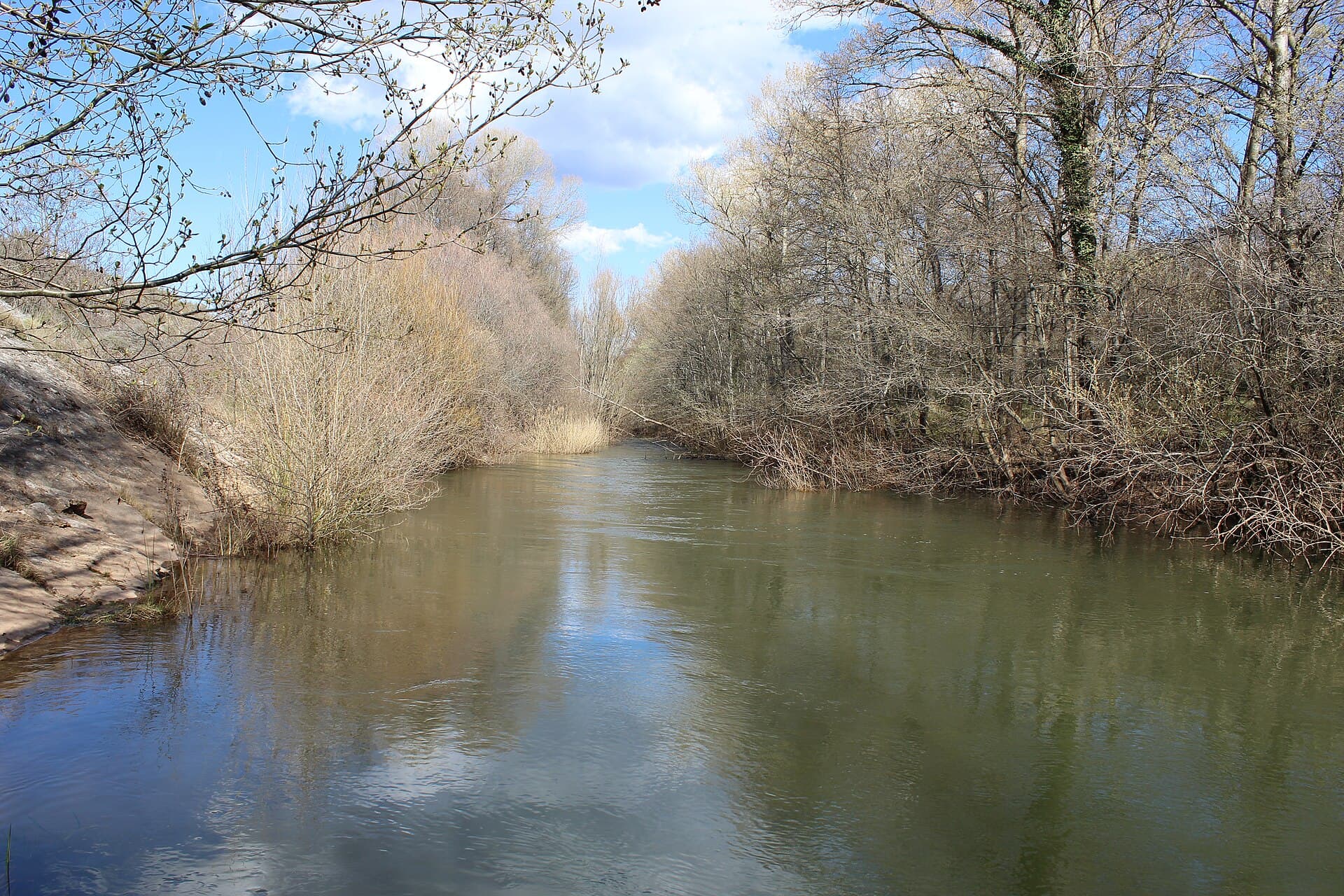
Jarama River: A Tranquil Waterway Through Guadalajara’s Rugged Landscapes
Follow the Jarama’s course through pine forests and historic valleys in Castile-La Mancha for hiking, fishing, and quiet…
24 November 2026
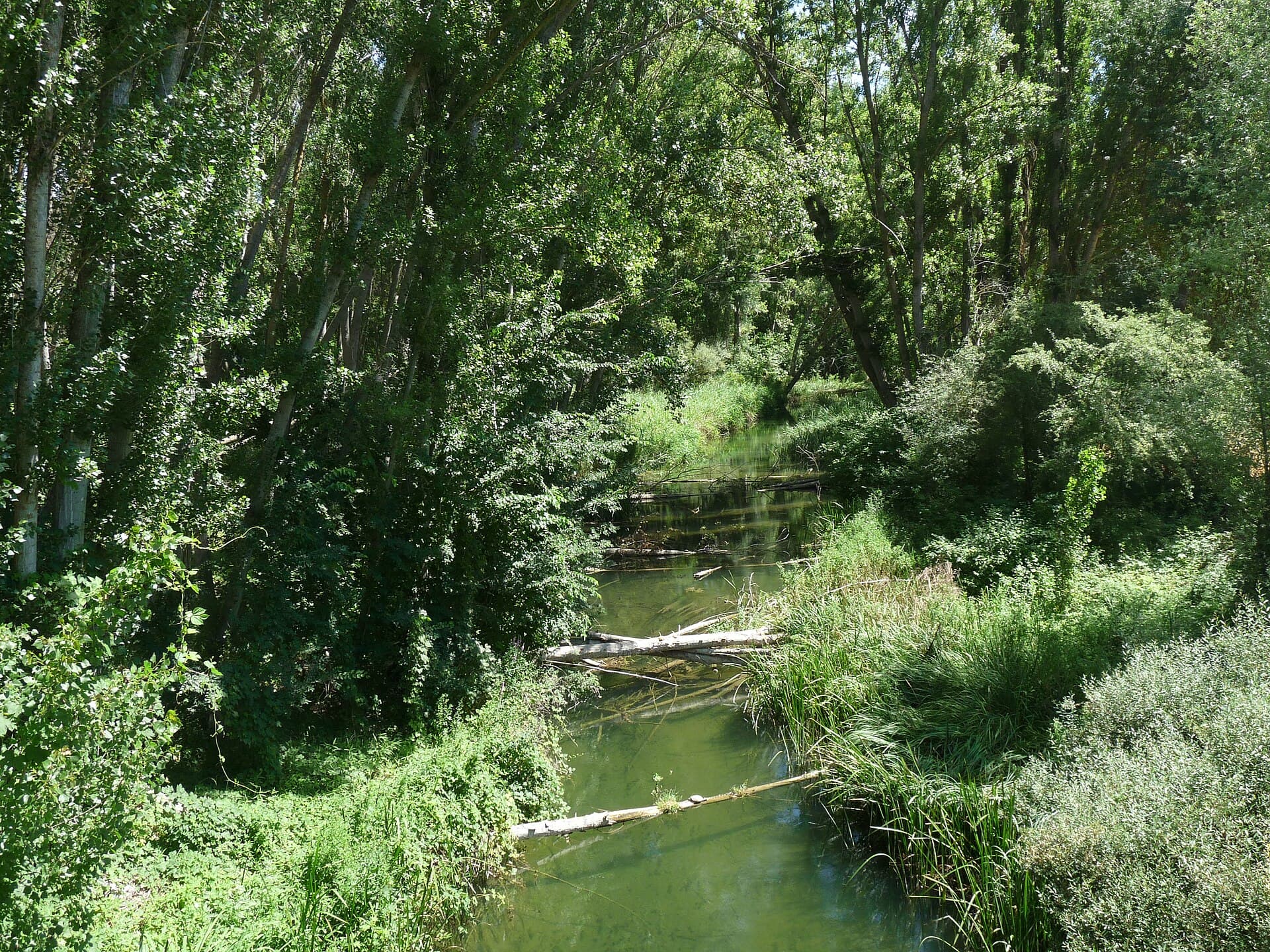
The Tajuña River carves a quiet, fertile corridor through Castile–La Mancha, offering walkers and nature lovers an authentic rural Spanish escape.
The Tajuña rises in the hills of Guadalajara and flows southwest through a series of small agricultural villages before joining the Jarama. Its valley combines gentle limestone cliffs, poplar-lined banks, and irrigated orchards that remain green even in the dry Castilian summer. Unlike busier rivers closer to Madrid, the Tajuña retains a working-rural character with minimal tourism infrastructure, rewarding visitors who enjoy self-guided exploration.
A marked section of the long-distance GR-10 trail follows the river for several kilometres between Morata de Tajuña and Titulcia. The route is mostly flat, passing under small bridges and through reed beds where herons and kingfishers are common. Shorter loops start from village plazas and return via irrigation canals.
Early morning visits reveal waterfowl, bee-eaters in summer, and raptors hunting the open fields above the valley. Flat rocks and grassy banks provide natural spots for picnics; visitors should bring everything they need as there are no permanent cafés along most stretches.
The river lies minutes from historic sites such as the Roman bridge remains near Chinchón and the wine-growing villages of the Tajuña comarca. A day can easily combine a morning walk with an afternoon visit to a local bodega or the market in Morata.
From Madrid, regional trains stop at nearby stations on the C-3 line; buses from the capital reach Morata and Perales de Tajuña. Drivers can park at village outskirts and follow signposted footpaths down to the water. The valley is also reachable by bicycle via quiet secondary roads from the Jarama cycle path.
Spring (March–May) and autumn (September–November) offer mild temperatures and flowing water. Summer remains pleasant along the shaded banks, though the surrounding plateau can be hot; winter visits are quieter but require checking for occasional flooding after heavy rain.
The river is generally shallow with variable flow; some natural pools exist after spring rains, but there are no supervised swimming areas and water quality varies with upstream agriculture.
No commercial boat or rafting operations run on the Tajuu00f1a; visitors explore independently on foot or by bicycle.
Yes. Regional trains and buses reach Morata de Tajuu00f1a and nearby villages, from which signposted paths lead directly to the river in under twenty minutes.
Expect herons, kingfishers, and bee-eaters along the water, plus raptors over the surrounding fields; the valley is also home to otters in quieter stretches.
Dogs are permitted on most public paths but must be kept under control near livestock and irrigation infrastructure; always carry waste bags.
Keep reading
Follow the Jarama’s course through pine forests and historic valleys in Castile-La Mancha for hiking, fishing, and quiet…