Why the Paula Modersohn-Becker Museum Matters
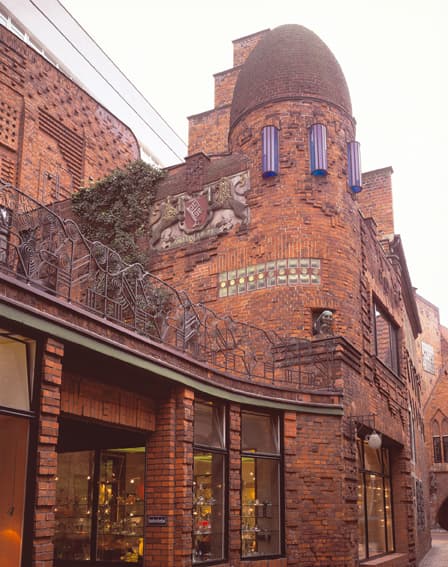
Paula Modersohn-Becker stands as one of the earliest and most original voices in German expressionism. The museum dedicated to her life and work occupies a purpose-built house in the heart of Bremen’s Böttcherstraße, a narrow lane lined with distinctive early-twentieth-century buildings. Visitors encounter dozens of her paintings, drawings, and prints that reveal an unflinching gaze at the human figure, rural life, and the female experience. The collection traces her development from delicate Jugendstil influences to the simplified forms and earthy colors that mark her mature style.
Highlights of the Collection
Self-portraits form the emotional core of the holdings. Several canvases show the artist confronting the viewer with direct, unsentimental eyes, often while pregnant or nursing. Mother-and-child studies emphasize quiet physicality rather than sentimentality. Landscapes from Worpswede, where she lived and worked, capture the flat northern German light and modest farm buildings. Temporary exhibitions regularly place her work beside contemporaries such as Emil Nolde or contemporary artists exploring similar themes of identity and place.
The Architecture and Atmosphere
The museum building itself, designed by Bernhard Hoetger, integrates sculpture, colored brick, and carved reliefs that echo the expressive spirit of the paintings inside. Narrow staircases and intimate rooms encourage slow looking rather than hurried passage. Natural light from carefully placed windows changes with the seasons, revealing different qualities in the impasto surfaces of her oils.
Getting There and Practical Planning
Bremen Hauptbahnhof lies a short walk away; from the station, follow signs toward the Marktplatz and then into Böttcherstraße. The street is pedestrian-only and connects directly to the riverfront promenade. Trams and buses stop at nearby Markt or Brill; cyclists can use the extensive network of bike paths that converge on the old town. Once inside the museum district, combine the visit with the neighboring Ludwig Roselius Museum and the Böttcherstraße Glockenspiel for a compact half-day itinerary.
Best Time to Visit
The museum remains rewarding year-round. Summer brings longer daylight and outdoor cafés along the Weser, while winter offers fewer visitors and the chance to see the street’s lanterns and carved details against a darker sky. Spring and autumn provide mild weather for walking the full length of Böttcherstraße and exploring the adjacent Schnoorviertel’s narrow lanes.
Nearby Attractions Worth Combining
- Bremen Cathedral and its famous Town Musicians statue sit five minutes away on foot.
- The Übersee-Museum offers ethnographic collections that complement the rural themes in Modersohn-Becker’s work.
- The Schlachte promenade along the river provides restaurants and boat tours of the harbor.
- The Schnoor quarter’s half-timbered houses create a picturesque contrast to the modernist lines of Böttcherstraße.