History and Significance
Birgittenkloster Bremen traces its roots to the Bridgettine Order founded by Saint Bridget of Sweden in the fourteenth century. The current monastery complex in the Mitte district was established in the early twentieth century on the site of earlier religious buildings, creating a contemplative enclave amid Bremen’s urban core. Its enduring presence reflects the city’s layered religious heritage and commitment to preserving spaces for quiet reflection.
What to See and Do
Visitors can explore the modest yet elegant church with its simple altars and stained-glass windows depicting scenes from Bridgettine tradition. The cloister garden offers a sheltered outdoor area planted with herbs and flowers typical of monastic landscapes. Attending a service or simply sitting in the nave allows travelers to experience the rhythmic daily life of the nuns. The on-site shop sells devotional items, honey, and handmade crafts produced by the community.
Architecture and Atmosphere
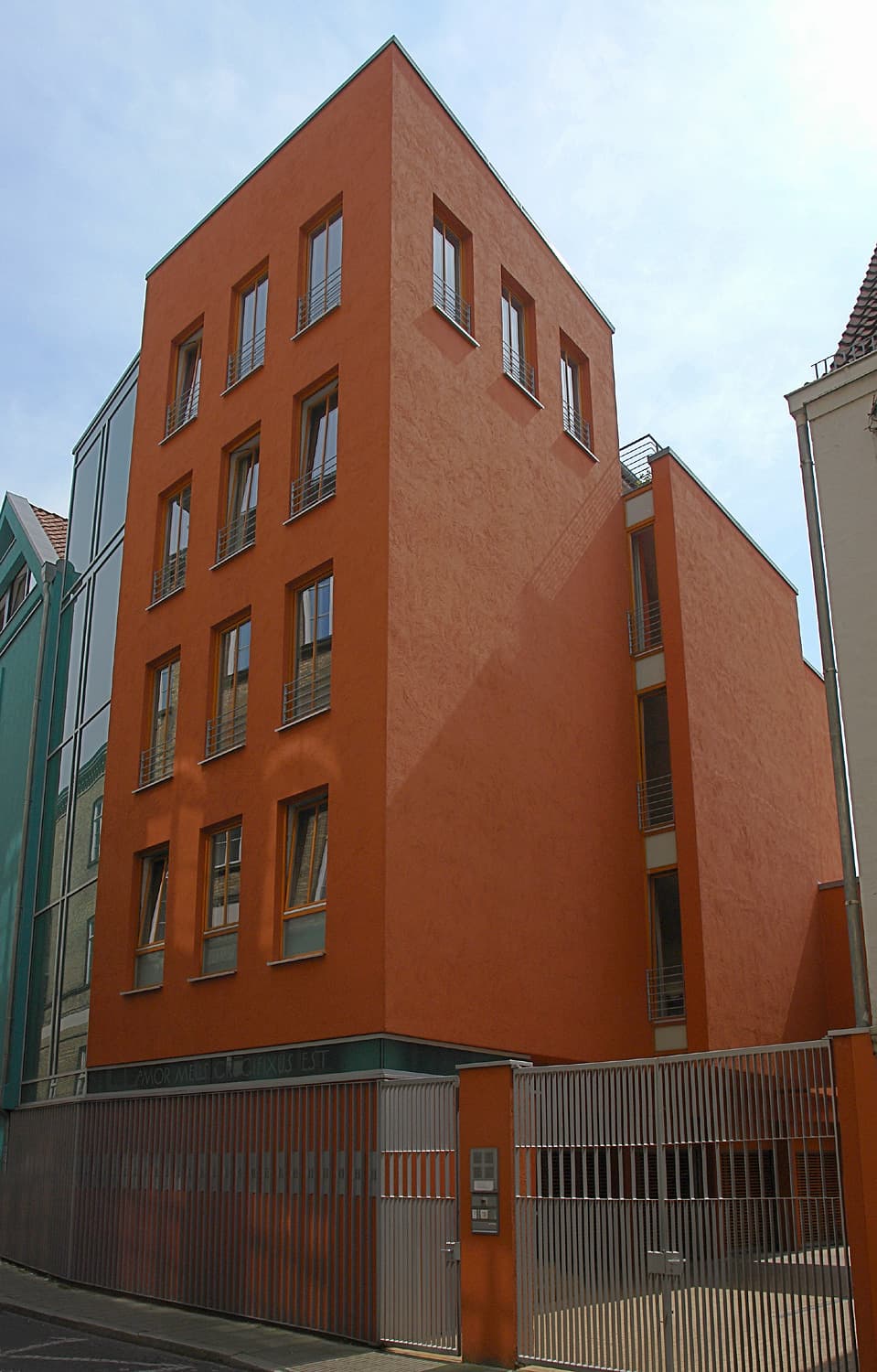
The red-brick buildings follow traditional North German styles, with clean lines and functional design that emphasize humility over ornamentation. Inside, the high ceilings and wooden pews create an atmosphere of calm that contrasts with the bustling streets just beyond the gates.
Getting There
The monastery lies within easy walking distance of Bremen’s main railway station and the historic Marktplatz. Several tram and bus lines stop nearby, making it convenient to reach without a car. Cyclists can use the city’s extensive bike paths, and limited street parking is available for those arriving by vehicle.
Best Time to Visit
Spring and early autumn bring mild weather ideal for lingering in the garden. Summer offers longer daylight for combined visits with nearby sights, while winter visits highlight the monastery’s role as a warm refuge from the cold, especially during Advent services.
Nearby Attractions
- Bremen Cathedral and its famous bronze doors stand just a short stroll away.
- The lively Marktplatz with its statue of Roland provides a lively contrast after the monastery’s stillness.
- The Schnoorviertel historic quarter offers narrow lanes and artisan shops for further exploration.