Discovering Focke’s Wind Tunnel
Located in Bremen’s central Mitte district, Focke’s Wind Tunnel stands as a rare surviving example of early 20th-century aerodynamic testing facilities. Built for the Focke-Wulf company, this massive concrete structure once simulated high-speed airflow to refine aircraft models that would later influence both civilian and military aviation history.
Historical Significance
Constructed in the 1930s, the wind tunnel played a key role in Bremen’s emergence as an aviation hub. Engineers tested scale models of seaplanes and fighters here, contributing to designs that pushed the boundaries of speed and stability. Today the site functions as a specialized museum, preserving original machinery, control rooms, and documentation that illustrate the evolution of wind-tunnel technology.
Key Exhibits
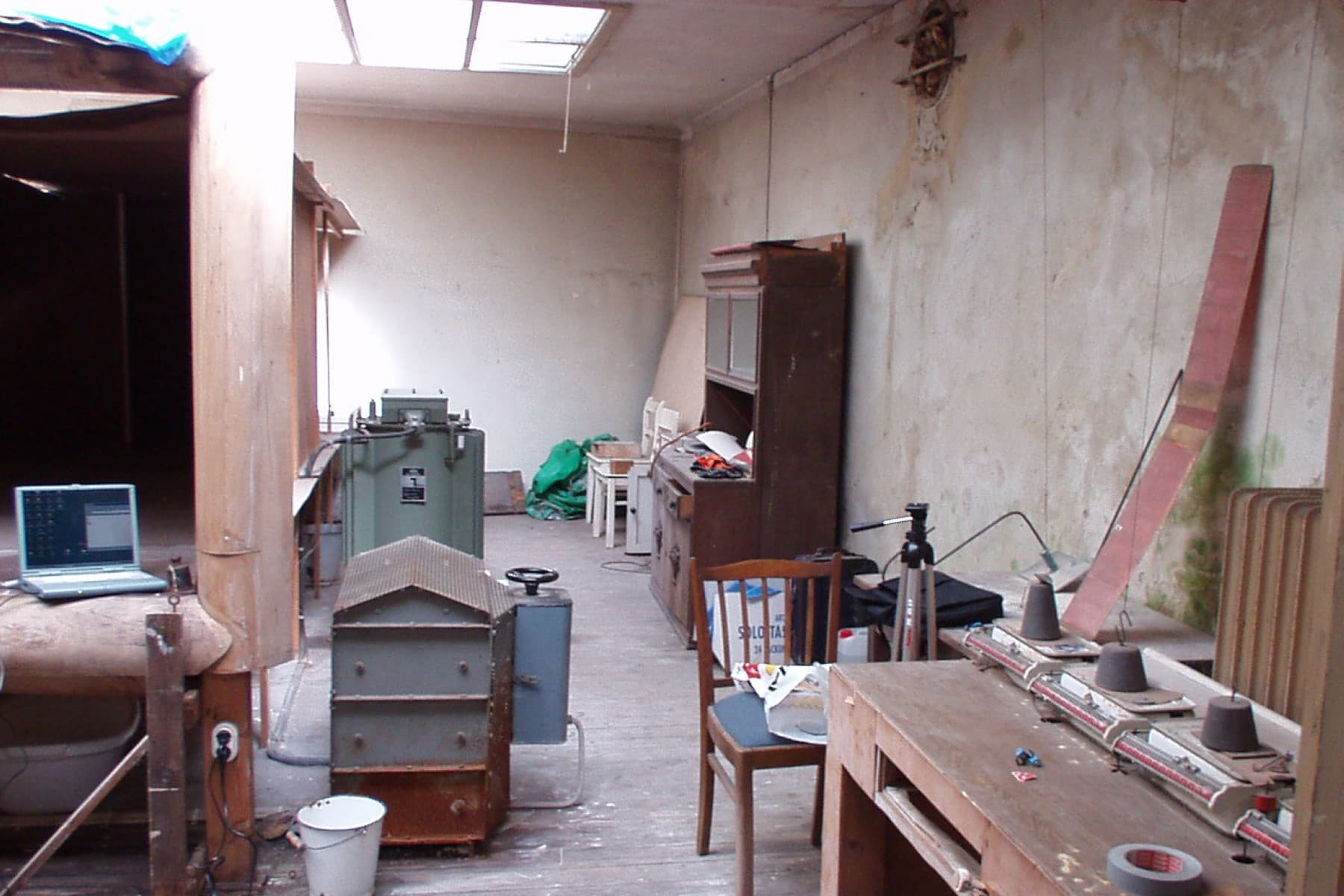
- Original fan and balance systems still in place
- Photographs and technical drawings from Focke-Wulf projects
- Interactive displays explaining lift, drag, and airflow principles
- Scale models of historic aircraft tested on site
Planning Your Visit
The museum is compact yet immersive, best explored at a relaxed pace. Visitors follow a self-guided route through the tunnel itself and adjacent exhibition spaces. Information panels are provided in German and English. Because the site retains much of its industrial character, sturdy shoes and a light jacket are recommended even in summer.
Getting There and Nearby
Central Bremen makes access straightforward via tram or a short walk from the main railway station. After your visit, combine the experience with the nearby Übersee-Museum or a stroll along the Weser River promenades. The surrounding Mitte neighborhood offers cafés and independent shops that reflect Bremen’s maritime and industrial heritage.
Best Time to Visit
Spring and autumn provide the most comfortable conditions for exploring the unheated tunnel interior. Weekday mornings tend to be quieter, allowing more time to study the large-scale equipment without crowds. The museum remains open year-round, though winter visits highlight the raw, functional atmosphere of the original facility.