Discovering the Oku Palace Museum
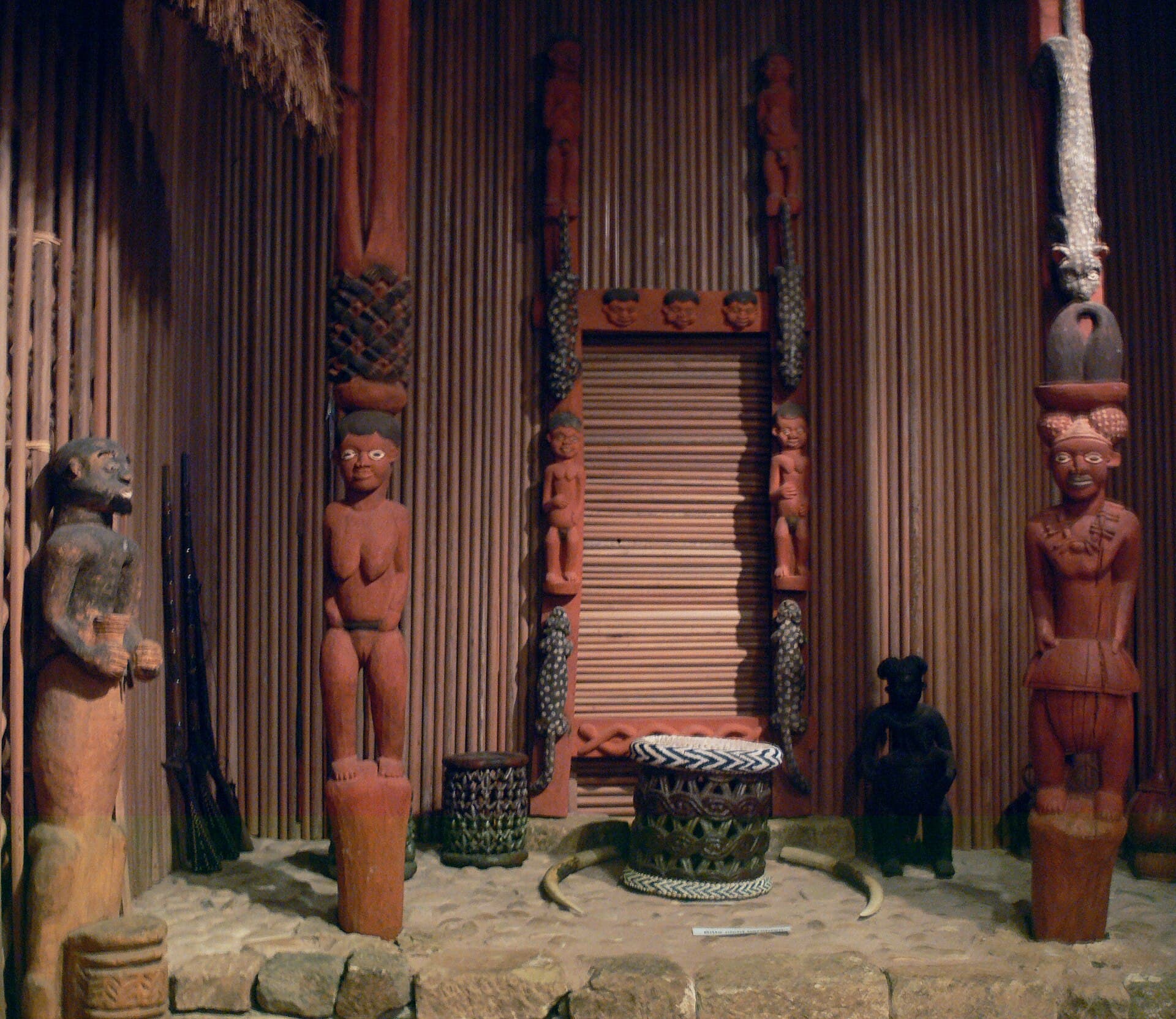
The Oku Palace Museum preserves the artistic and historical legacy of the Oku Kingdom, one of the prominent traditional polities in Cameroon’s Northwest Region. Housed within the royal palace compound, the museum displays royal regalia, carved wooden masks, beaded thrones, and ritual objects that illustrate centuries of Fon (king) rule and community craftsmanship.
Artistic Highlights
Visitors encounter finely carved elephant tusks, embroidered royal gowns, and anthropomorphic figures that reflect Oku’s distinctive sculptural style. The collection emphasizes the interplay between art and authority, showing how objects once used in ceremonies continue to embody social values and spiritual beliefs.
Practical Information for Visitors
Getting There
The museum lies in the village of Oku, reachable by road from Bamenda, the regional capital. The journey passes through highland valleys and offers views of terraced hillsides and volcanic peaks. Travelers typically arrange transport via shared taxis or private vehicles from Bamenda; the route requires several hours and benefits from clear weather.
Best Time to Visit
The dry season, roughly November through February, provides the most reliable access and comfortable temperatures for exploring outdoor palace grounds. The rainy season brings lush scenery but can make roads slippery and limit daily opening flexibility.
Nearby Attractions
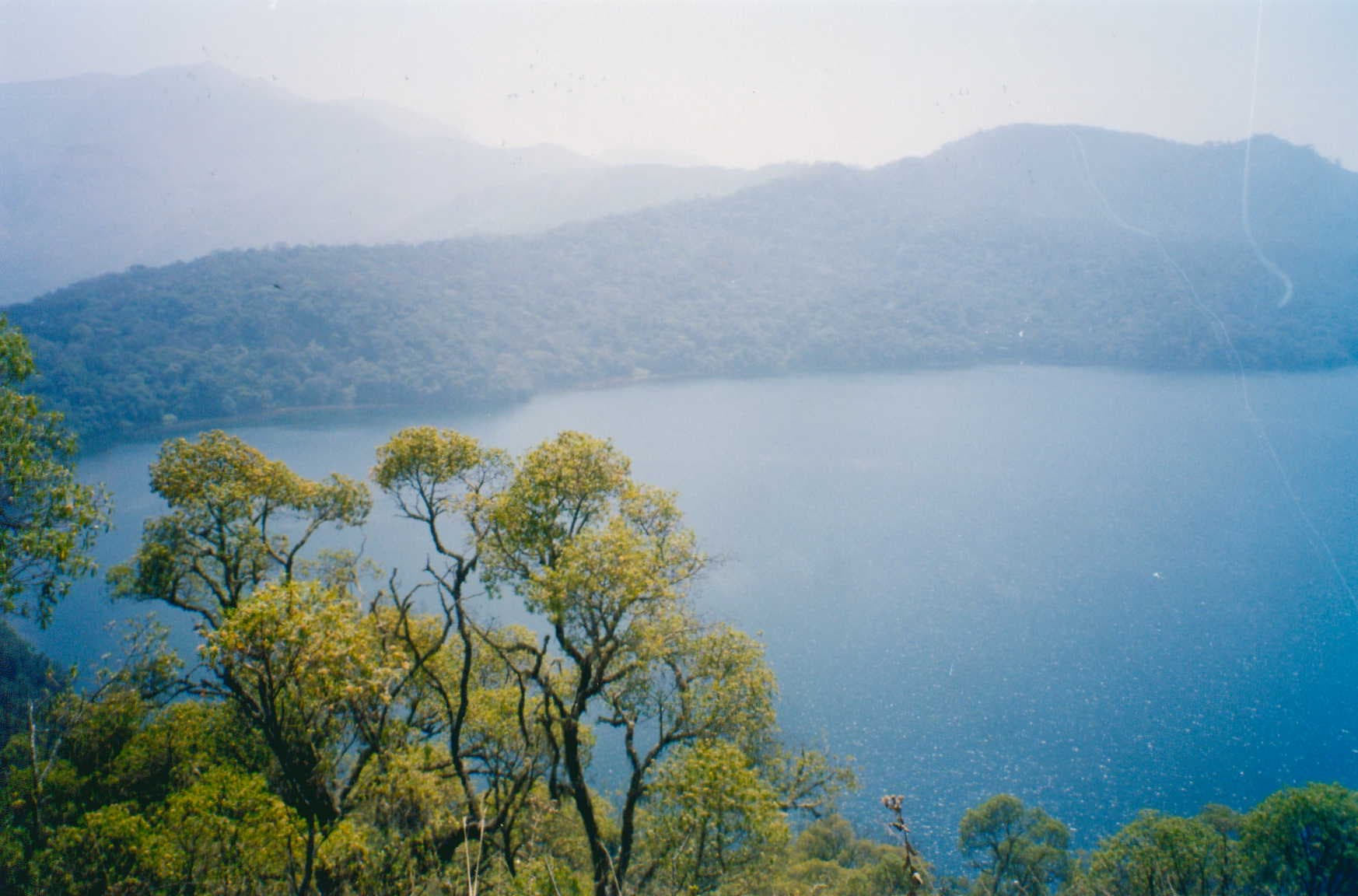
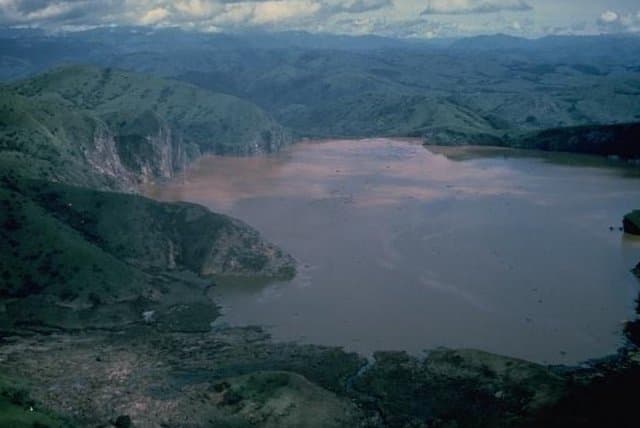
After touring the museum, many visitors continue to Lake Oku, a crater lake set within the Kilum-Ijim Forest, or hike trails on Mount Oku for panoramic views. Traditional markets in nearby villages offer opportunities to see contemporary wood carving and weaving traditions that echo the museum’s holdings.
Cultural Context
Oku forms part of the wider Bamenda Grassfields cultural zone, where palace museums serve as living repositories rather than static displays. Respectful behavior, including modest dress and following local protocols when meeting palace officials, enhances the experience and supports ongoing heritage preservation.