Skip to content
Plan & Tour
DestinationsItinerariesTravel BlogAboutContact
0Sign inPlan a trip
Plan & TourPlan & Tour

Travel guides, destination inspiration and curated itineraries for Canada, the USA and beyond, plus a free tool to plan your own day-by-day trip.

Get travel inspiration

Explore

  • All Destinations
  • Curated Itineraries
  • Travel Blog
  • Plan a Trip

Topics

  • Hiking & Nature
  • Food & Drink
  • City Breaks
  • Budget Travel

Company

  • About Us
  • Contact
  • Privacy Policy
  • Terms of Service

© 2026 Plan & Tour. Built for travellers.

Discover the world, one trip at a time.

Lake Nyos: Cameroon’s Volcanic Crater Lake and Site of Scientific Wonder
  1. Home
  2. Destinations
  3. Northwest
  4. Lake Nyos: Cameroon’s Volcanic Crater Lake and Site of Scientific Wonder
Lake

Lake Nyos: Cameroon’s Volcanic Crater Lake and Site of Scientific Wonder

Discover the serene yet haunting Lake Nyos, a remote highland crater lake shaped by natural forces and a tragic past.

NorthwestUpdated 27 October 2026

Why Lake Nyos Captivates Visitors

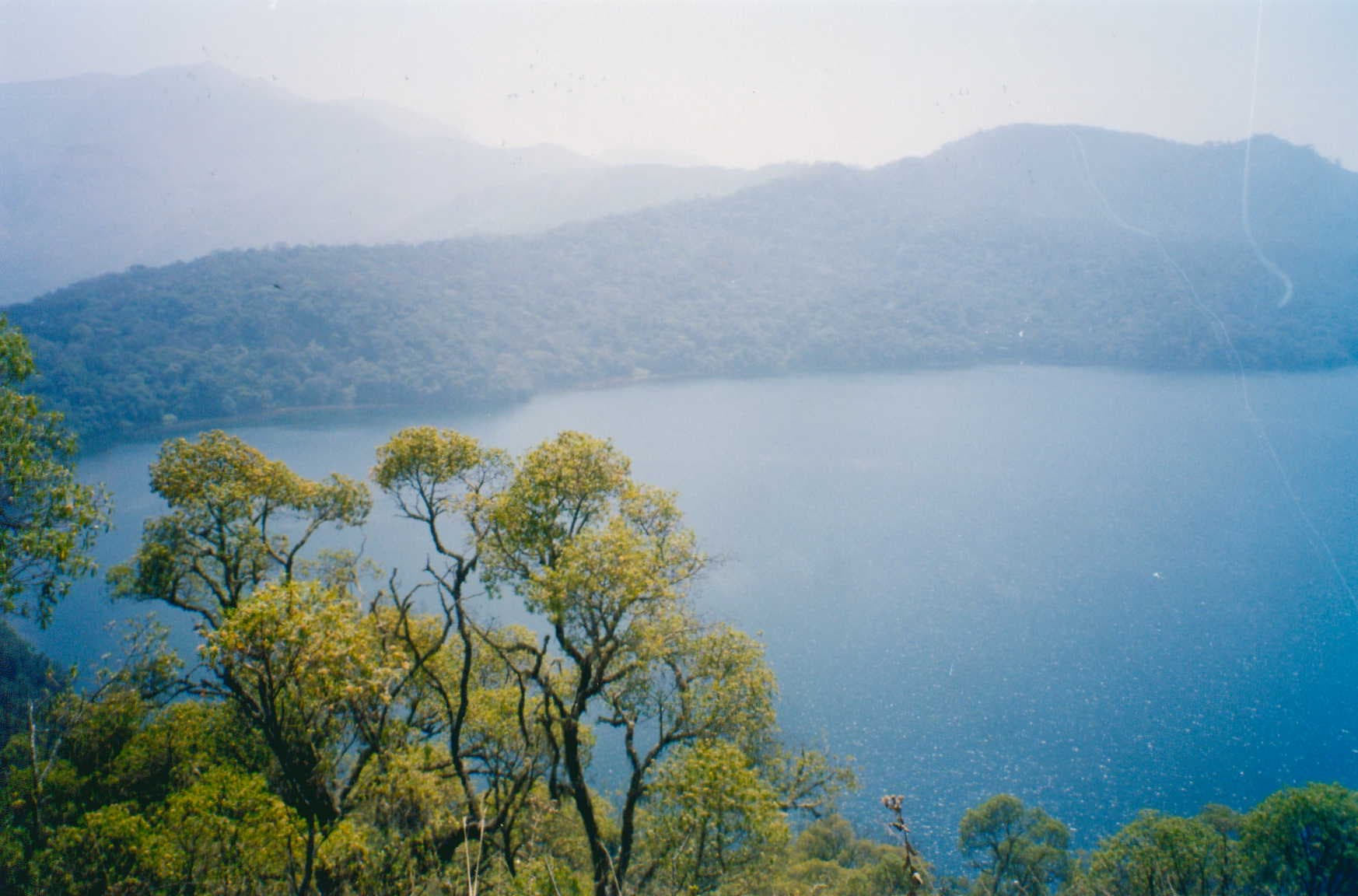
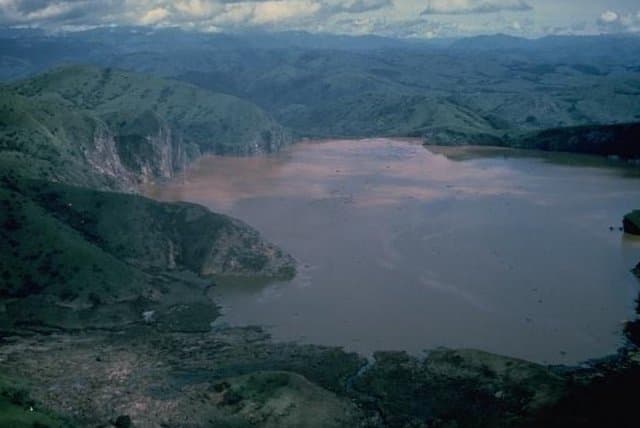
Lake Nyos sits in the volcanic highlands of northwest Cameroon, a deep blue crater lake ringed by steep, forested slopes. Its calm surface belies a dramatic geological story tied to the Cameroon Volcanic Line, making it a destination for those drawn to natural wonders with scientific significance rather than typical resort scenery.

The Lake’s Unique Geology and History

Formed within a maar crater, Lake Nyos is one of the world’s few lakes saturated with dissolved carbon dioxide from underground magma. In 1986 a sudden limnic eruption released a dense cloud of CO2 that flowed into surrounding valleys, an event that underscores the lake’s ongoing monitoring by scientists. Today, engineered degassing pipes slowly release the gas, turning the site into a living laboratory visible to visitors who observe the bubbling fountains from a respectful distance.

What to See and Do at Lake Nyos

Walk the perimeter trail for panoramic views across the water and surrounding peaks. Memorial sites near the shoreline offer quiet reflection on the lake’s past while highlighting local resilience. Birdwatching and photography thrive here, with species adapted to the highland environment. Guided boat excursions, when permitted, allow closer inspection of the degassing installations without disturbing the fragile ecosystem.

Respectful Exploration

Stay on marked paths to protect the crater rim and avoid disturbing sediment that could affect water chemistry. Local guides share oral histories and explain current safety measures, enriching the visit beyond visual appeal.

Getting to Lake Nyos

The lake lies roughly 300 kilometers northwest of Yaoundé, reached via paved roads to Bamenda followed by rugged tracks through villages such as Nyos and Cha. Four-wheel-drive vehicles are essential on the final stretches, especially after rains. Travelers often arrange transport from Bamenda or join organized tours departing from regional hubs.

Best Time to Visit Lake Nyos

The dry season from November to February offers clearer roads and stable weather for hiking and photography. The rainy season brings lush greenery but can make access difficult and increase the risk of landslides on crater trails. Early morning visits reveal mist rising from the water, enhancing the lake’s ethereal atmosphere.

Attractions Nearby

Combine a Lake Nyos trip with visits to Lake Monoun, another CO2-rich crater lake, or the scenic hills around Oku and the Kilum-Ijim Forest Reserve for birding and cultural encounters with local communities. The volcanic landscapes of the Bamenda Highlands provide additional context for the region’s geology.

Visitor tips

  • Hire a licensed local guide familiar with current safety protocols and restricted zones around the degassing equipment.
  • Carry sufficient water, sun protection, and a basic first-aid kit, as facilities near the lake are minimal.
  • Visit with an organized scientific or eco-tour to ensure compliance with ongoing monitoring programs and local regulations.

Frequently asked questions

Is Lake Nyos safe to visit?+

Yes, with proper precautions and local guidance. The degassing system has greatly reduced risk, but visitors must follow marked paths and avoid the water's edge.

How long does it take to reach Lake Nyos from Bamenda?+

The journey typically requires four to six hours by four-wheel-drive vehicle depending on road conditions and stops.

What is the best way to learn about the 1986 event?+

Local guides provide firsthand accounts and context at memorial sites; combining this with scientific explanations from tour operators gives the fullest picture.

Are there accommodations near Lake Nyos?+

Basic guesthouses exist in nearby villages, but most visitors base themselves in Bamenda and make a day trip or overnight camping excursion with arranged support.

Can I swim in Lake Nyos?+

Swimming is strongly discouraged due to the lake's chemical properties and safety regulations protecting the monitoring installations.

Share
Google Maps Apple Maps Directions

Image: Ppong.it · CC0 · via Wikimedia Commons

Keep reading

Nearby & related

All stories
Oku Palace Museum: Royal Art and Grassfields Heritage in Northwest Cameroon
Northwest

Oku Palace Museum: Royal Art and Grassfields Heritage in Northwest Cameroon

Discover the cultural treasures of the Oku Kingdom through its palace museum in the Cameroon highlands.

28 October 2026
Lake Oku: Cameroon’s Pristine Crater Lake in the Northwest Highlands
Northwest

Lake Oku: Cameroon’s Pristine Crater Lake in the Northwest Highlands

A remote volcanic lake ringed by montane forest, Lake Oku offers hikers and nature lovers a rare glimpse of Cameroon’s…

28 October 2026