Skip to content
Plan & Tour
DestinationsItinerariesTravel BlogAboutContact
0Sign inPlan a trip
Plan & TourPlan & Tour

Travel guides, destination inspiration and curated itineraries for Canada, the USA and beyond, plus a free tool to plan your own day-by-day trip.

Get travel inspiration

Explore

  • All Destinations
  • Curated Itineraries
  • Travel Blog
  • Plan a Trip

Topics

  • Hiking & Nature
  • Food & Drink
  • City Breaks
  • Budget Travel

Company

  • About Us
  • Contact
  • Privacy Policy
  • Terms of Service

© 2026 Plan & Tour. Built for travellers.

Discover the world, one trip at a time.

Lake Oku: Cameroon’s Pristine Crater Lake in the Northwest Highlands
  1. Home
  2. Destinations
  3. Northwest
  4. Lake Oku: Cameroon’s Pristine Crater Lake in the Northwest Highlands
Lake

Lake Oku: Cameroon’s Pristine Crater Lake in the Northwest Highlands

A remote volcanic lake ringed by montane forest, Lake Oku offers hikers and nature lovers a rare glimpse of Cameroon’s highland biodiversity.

NorthwestUpdated 28 October 2026

Why Lake Oku Is Worth Visiting

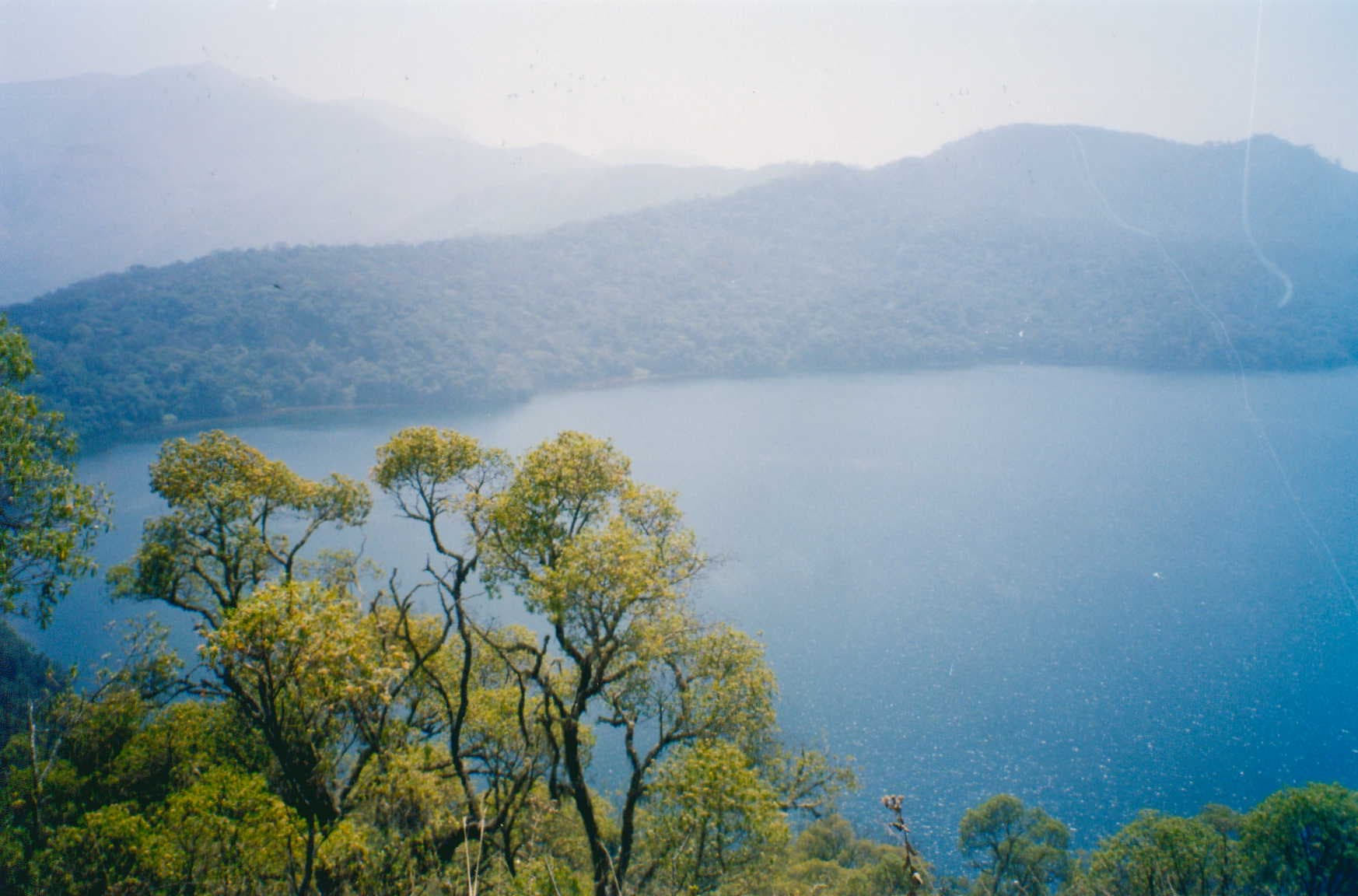
Lake Oku sits at roughly 2,200 meters in the Oku Massif, one of the highest points along Cameroon’s volcanic chain. Its calm, deep waters fill an ancient crater and remain remarkably clear year-round. The surrounding Kilum-Ijim Forest harbors endemic species found nowhere else, including the Lake Oku clawed frog and several rare birds and orchids. Visitors experience cool highland air, sweeping views across the Bamenda Grassfields, and a sense of quiet isolation that lowland destinations cannot match.

How to Reach Lake Oku

Most travelers start from Bamenda, the regional capital. Shared taxis or private 4×4 vehicles cover the roughly two-hour drive north along the main road toward Kumbo, then branch onto a narrower track that climbs steadily toward Elak-Oku village. From the village a well-marked footpath leads another 45–60 minutes uphill through farmland and forest to the lake shore. Hiring a local driver familiar with the route is strongly recommended, especially after rain when sections become slippery.

Things to See and Do

Short trails circle the lake in two to three hours, offering frequent viewpoints and chances to spot blue monkeys or colorful turacos. Longer hikes continue to the summit of Mount Oku for panoramic vistas on clear days. Birdwatchers should carry binoculars for the white-naped pigeon and Bannerman’s turaco, both restricted to this mountain range. Photography enthusiasts find the best light in late afternoon when the sun drops behind the western ridges. Swimming is possible but the water stays cool; many visitors simply sit on the grassy banks and enjoy the stillness.

Cultural Context

The lake lies within the traditional territory of the Oku people. Local guides often share stories linking the crater to ancestral spirits and explain sustainable forest-management practices that have preserved the area for generations. Respectful interaction with villagers enhances the experience and supports community-based tourism initiatives.

Best Time to Visit

The dry season from November through February brings the clearest skies and easiest walking conditions. March to May sees occasional showers that turn paths muddy, while the heavier rains of June to October can make the final track impassable for ordinary vehicles. Early morning visits reduce the chance of afternoon cloud cover obscuring mountain views.

Nearby Attractions

Combine a Lake Oku trip with a visit to the Kilum-Ijim Forest Reserve headquarters at Elak for interpretive displays on local conservation. The bustling market town of Kumbo lies an hour south and offers fresh produce and traditional crafts. Further afield, the volcanic lakes around Wum and the scenic Nyos region provide additional day-trip options for those extending their stay in the Northwest.

Visitor tips

  • Hire a local guide from Elak-Oku village; paths are clear but the forest is easy to enter accidentally and guides know the safest routes.
  • Pack layers and rain protection; temperatures drop quickly after sunset and sudden showers are common even in the dry season.
  • Carry out all waste and avoid disturbing the shoreline vegetation that protects the endemic frog population.

Frequently asked questions

Is Lake Oku safe for swimming?+

The water is clean but cold; occasional strong winds can create small waves. Most visitors wade rather than swim long distances.

Do I need a permit to visit Lake Oku?+

No formal permit is required for day visits, but registering at the village tourism office helps local authorities track visitor numbers and support conservation.

What wildlife is most likely to be seen?+

Blue monkeys, turacos, and sunbirds are commonly spotted along the trail; the endemic clawed frog is harder to find and best observed at dusk with a guide.

Can I camp at the lake?+

Informal camping is possible on the grassy banks with permission from village elders; bring all supplies as no facilities exist on site.

How strenuous is the hike from Elak-Oku?+

The walk is moderate, gaining about 300 meters over 3u20134 km; good walking shoes and steady pace make it suitable for most reasonably fit adults.

Share
Google Maps Apple Maps Directions

Image: No machine-readable author provided. Nickaj assumed (based on copyright claims). · Public domain · via Wikimedia Commons

Keep reading

Nearby & related

All stories
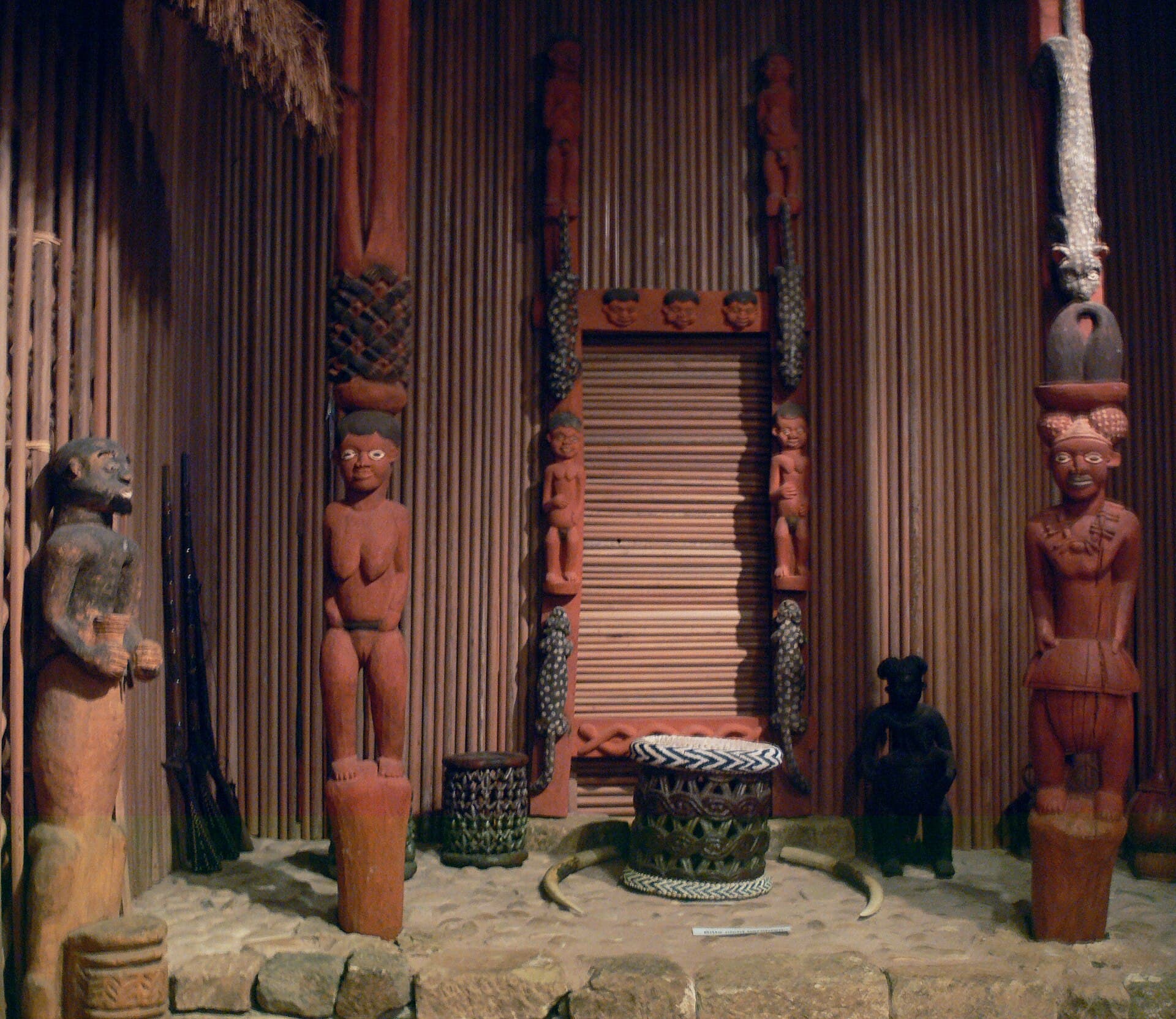
Oku Palace Museum: Royal Art and Grassfields Heritage in Northwest Cameroon
Northwest

Oku Palace Museum: Royal Art and Grassfields Heritage in Northwest Cameroon

Discover the cultural treasures of the Oku Kingdom through its palace museum in the Cameroon highlands.

28 October 2026
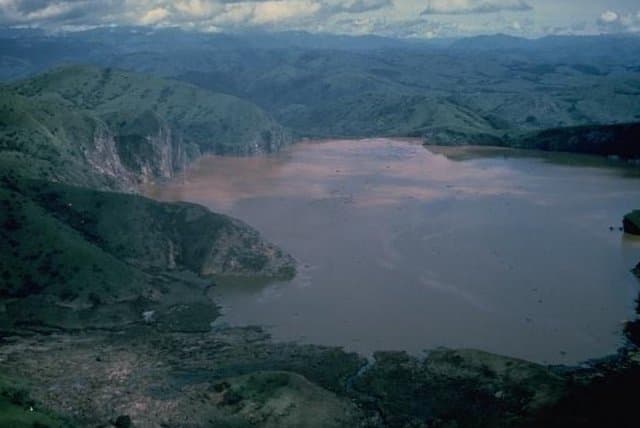
Lake Nyos: Cameroon’s Volcanic Crater Lake and Site of Scientific Wonder
Northwest

Lake Nyos: Cameroon’s Volcanic Crater Lake and Site of Scientific Wonder

Discover the serene yet haunting Lake Nyos, a remote highland crater lake shaped by natural forces and a tragic past.

27 October 2026