
Keep reading
Nearby & related
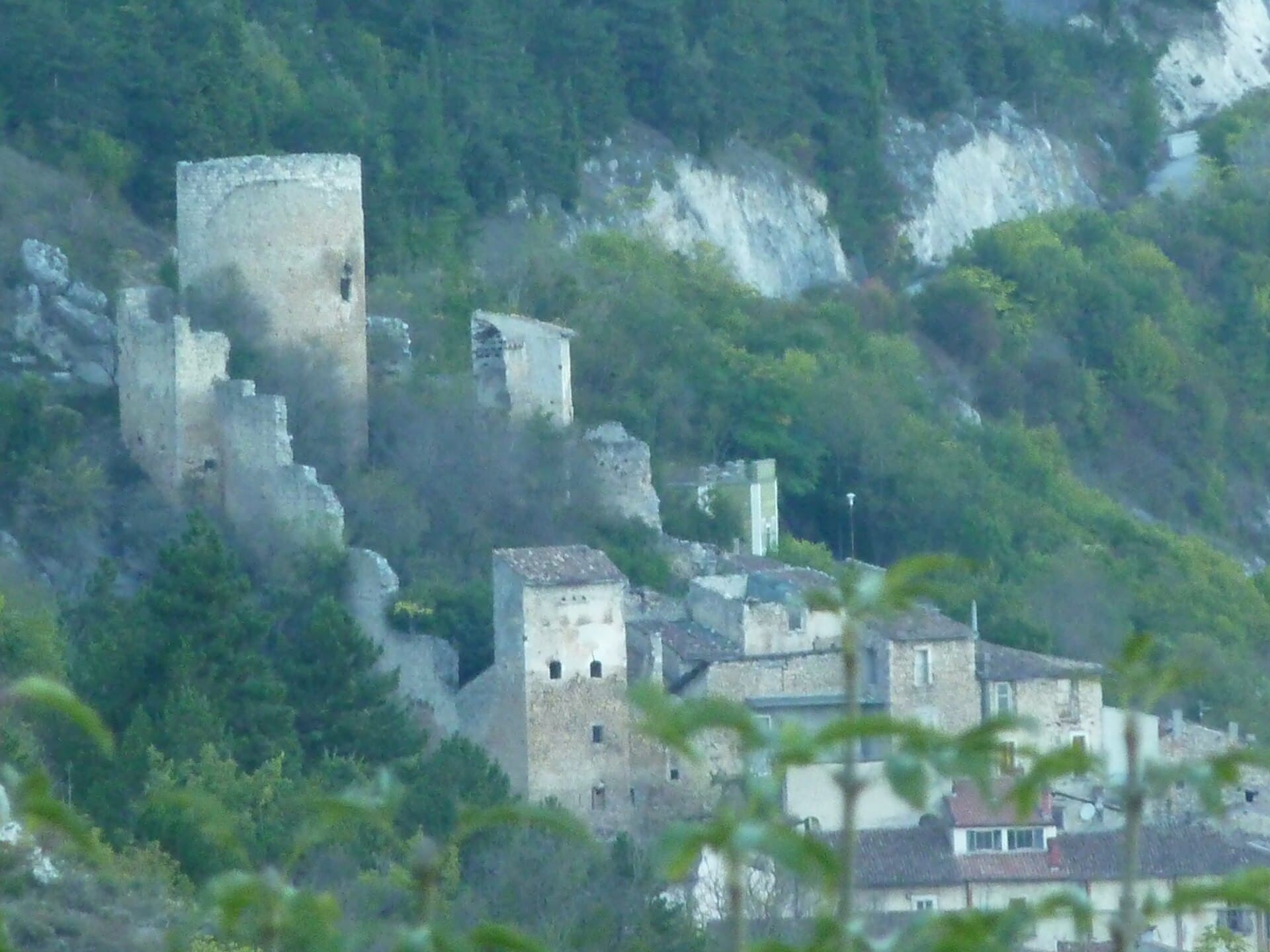
Castle of Fossa: Medieval Stronghold Overlooking Abruzzo’s Valleys
Explore the Castle of Fossa, a 13th-century fortress offering sweeping views of the Gran Sasso and a window into…
14 August 2026
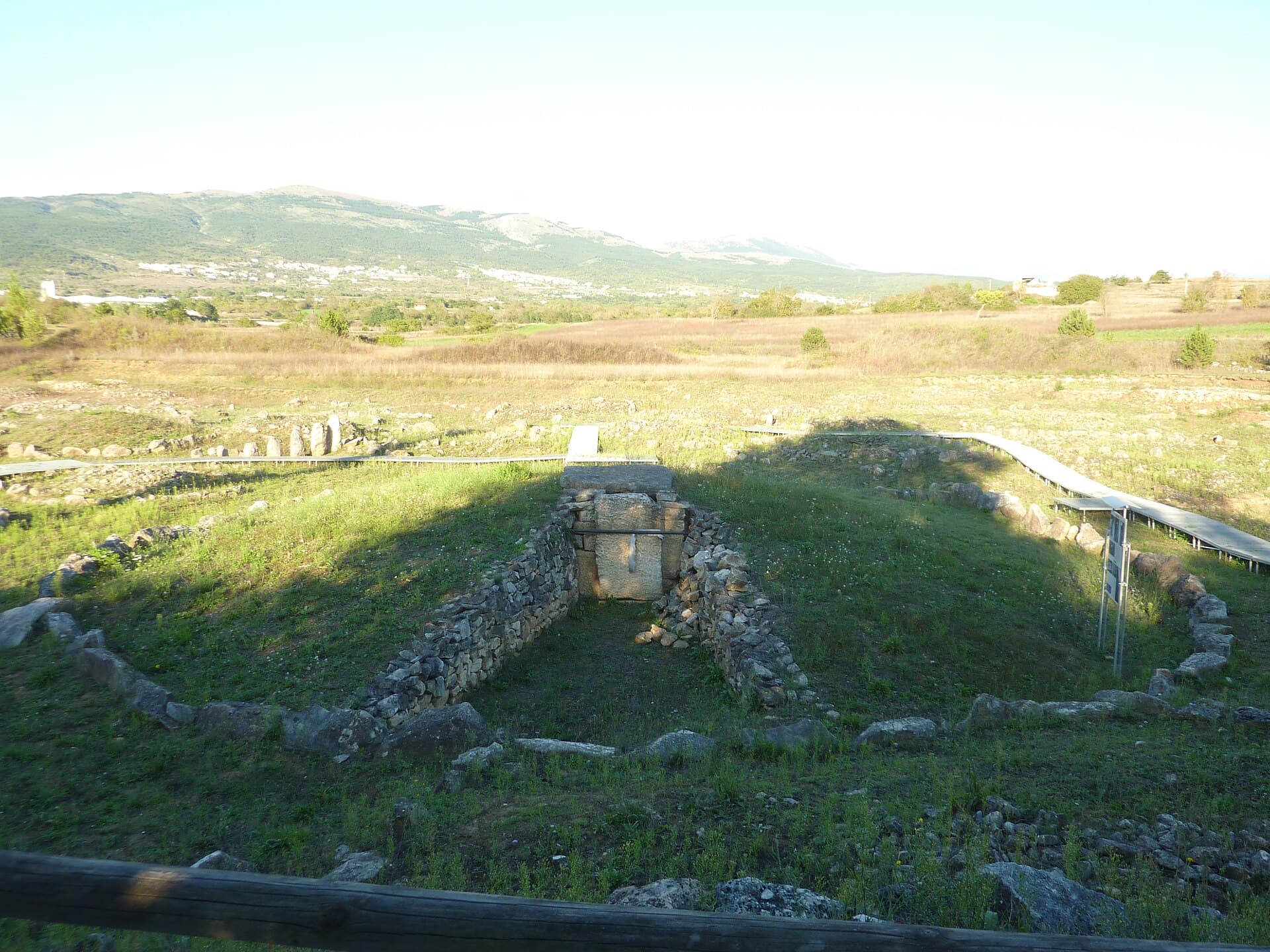
Explore one of central Italy’s most important pre-Roman burial sites, where circular tombs reveal centuries of Italic ritual and daily life.
Located on a gentle hillside outside the village of Fossa in Abruzzo, the Necropolis of Fossa preserves more than six hundred tombs spanning the ninth to third centuries BC. These circular stone structures, some still capped with original earth mounds, offer a rare window into the funerary customs of the Vestini people and neighboring Italic groups before Roman dominance. The site’s orderly arrangement and variety of grave goods, including weapons, jewelry, and imported pottery, demonstrate both local traditions and wider Mediterranean trade connections.
Visitors walk a marked path that circles the main excavation area. The largest tombs feature double rings of river stones and central chambers that once held cremation urns or inhumations. Information panels explain how archaeologists reconstructed the original mound profiles and identified social differences through the placement and contents of graves. A small on-site museum displays selected finds, allowing closer inspection of bronze fibulae and bucchero ware. Photographers appreciate the low-angle light that accentuates the geometric patterns of the stone circles, especially in early morning or late afternoon.
The necropolis lies roughly twelve kilometers southeast of L’Aquila. Drivers follow the SS17 toward San Demetrio ne’ Vestini, then take the signed turn for Fossa and continue uphill past the village. Public transport reaches Fossa from L’Aquila’s bus station; the final uphill stretch is best covered by taxi or on foot along a quiet country lane. Parking is available at the entrance trailhead.
Spring and autumn provide the most comfortable temperatures for walking the exposed site. Summer visits are possible but require sun protection and water. Winter offers solitude yet can bring mud or light snow, so sturdy footwear is essential. The surrounding fields bloom with wildflowers in May, adding color to photographs of the tombs.
Combine a visit with the historic center of L’Aquila, the dramatic Gran Sasso massif, or the medieval castle at San Pio delle Camere. The nearby archaeological area of Peltuinum and the wine villages of the Valle Peligna offer further insight into Abruzzo’s layered past and present.
Yes, the gentle walking path and visible stone circles interest most children, though there are no interactive exhibits.
Self-guided visits are straightforward thanks to clear signage and explanatory panels; guided tours can be arranged through the local archaeological cooperative when available.
No services exist at the necropolis itself; the nearest facilities are in the village of Fossa a short drive away.
Personal photography is permitted; tripods and commercial shoots require prior permission from the managing authority.
Fossa stands out for the sheer number of tombs preserved in their original landscape setting and for the clear evidence of evolving burial rituals over six centuries.
Keep reading
Explore the Castle of Fossa, a 13th-century fortress offering sweeping views of the Gran Sasso and a window into…