
Keep reading
Nearby & related
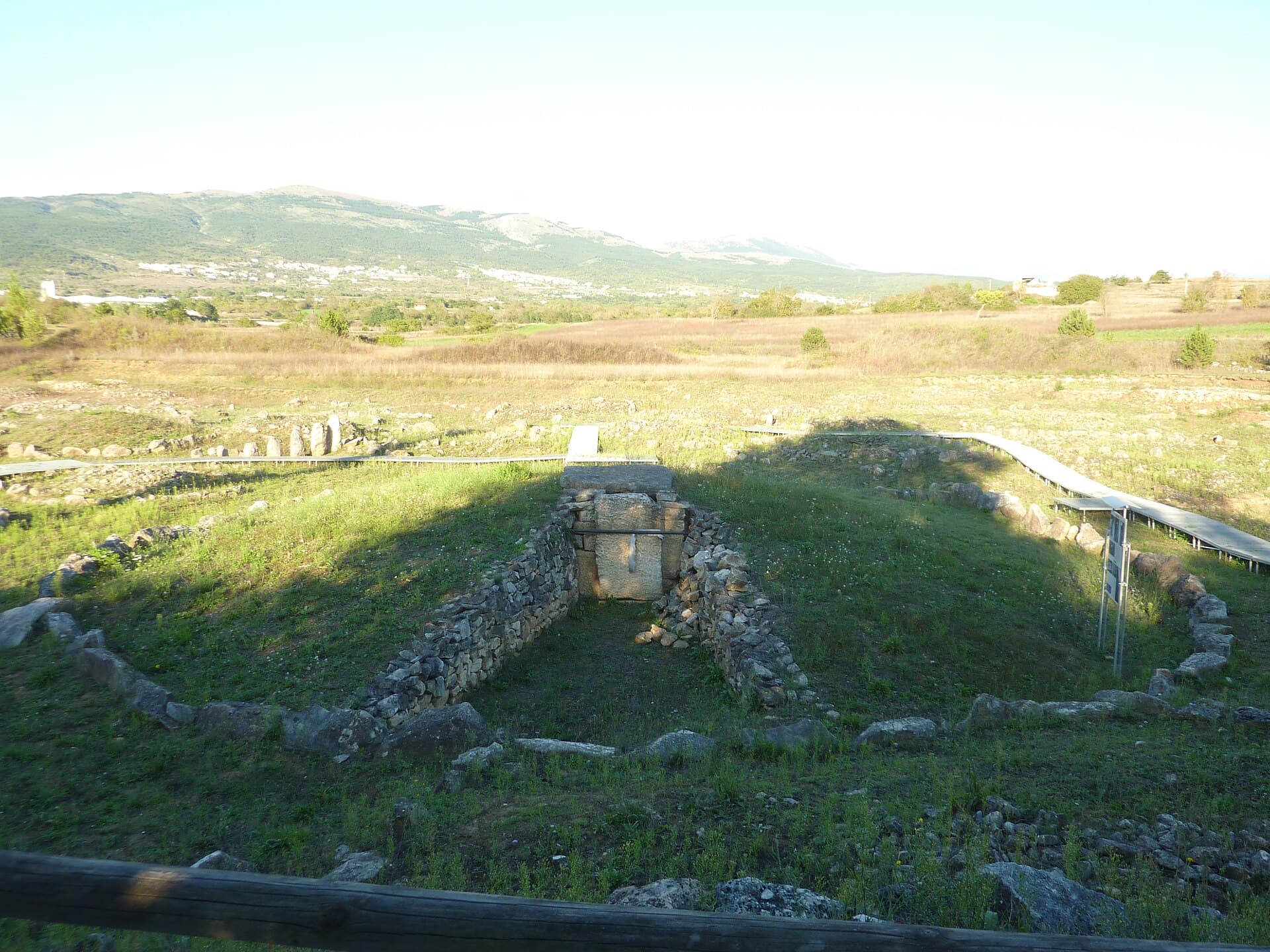
Necropolis of Fossa: Unearthing Abruzzo’s Ancient Italic Tombs
Explore one of central Italy’s most important pre-Roman burial sites, where circular tombs reveal centuries of Italic…
15 August 2026
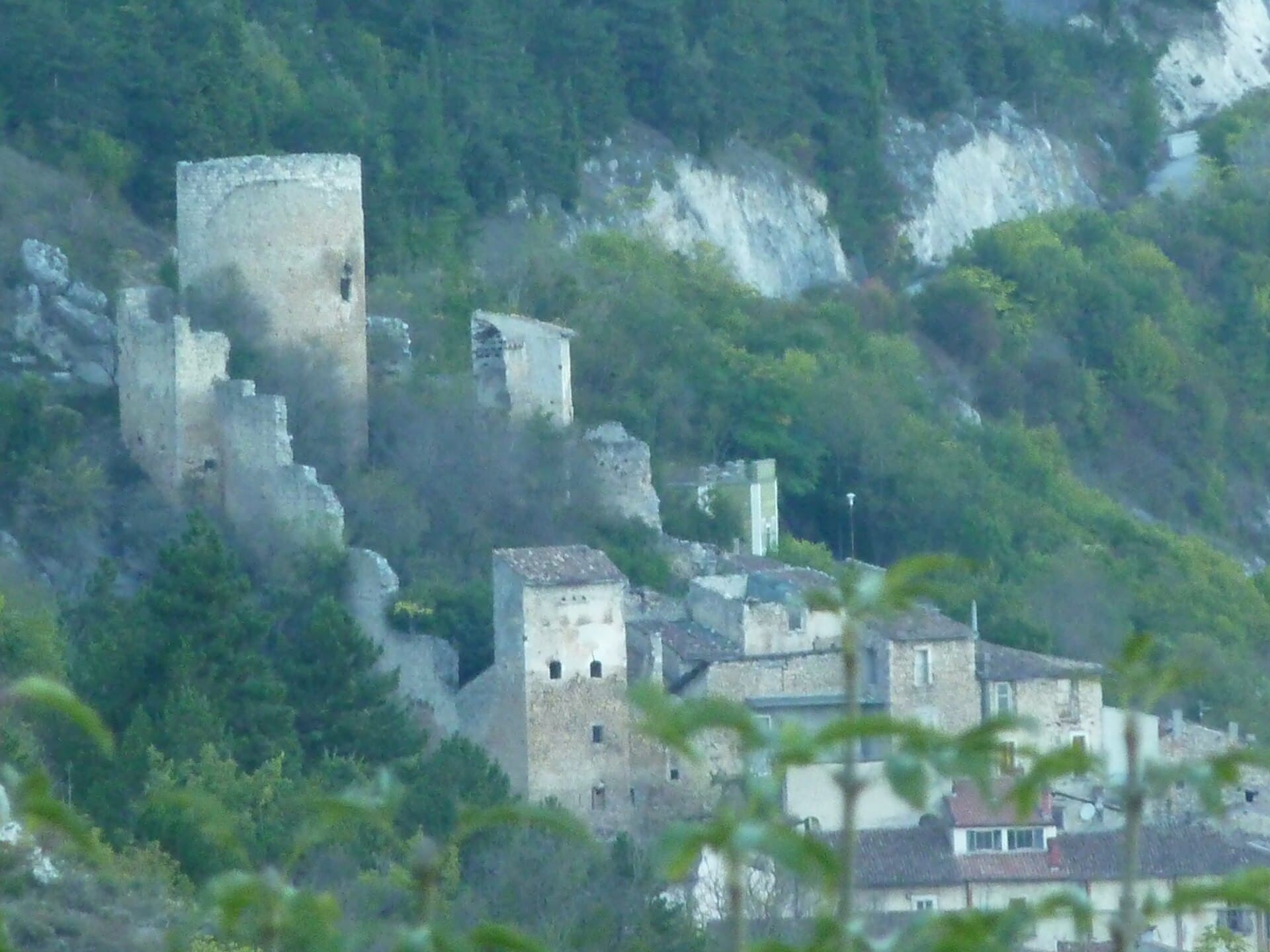
Explore the Castle of Fossa, a 13th-century fortress offering sweeping views of the Gran Sasso and a window into Abruzzo’s layered history.
The Castle of Fossa stands on a rocky spur above the small town of Fossa, its origins tracing to the late 12th and early 13th centuries when local lords fortified the site to control the valley routes between L’Aquila and the Adriatic. Stone walls and a square keep remain from the original construction, with later additions reflecting Aragonese and Spanish influence. The structure endured multiple earthquakes, most notably the 1703 and 2009 events, yet retains enough of its medieval fabric to convey the defensive logic of hilltop castles in central Italy.
Visitors enter through a restored gatehouse into a compact courtyard framed by thick masonry. From the upper terraces the eye travels across olive groves and vineyards to the snow-streaked peaks of the Gran Sasso massif. Inside, a small exhibition space displays architectural fragments and period tools recovered during restoration. Walking the perimeter path reveals arrow slits, a partially preserved cistern, and panoramic benches ideal for photography. The castle itself is modest in scale, so allow two to three hours to explore at leisure and to wander the narrow lanes of Fossa’s historic center immediately below.
From L’Aquila the castle lies roughly 12 kilometers southeast; drivers follow the SS17 then local roads that climb into the hills. Public buses from L’Aquila’s Collemaggio terminal reach Fossa village several times daily, after which a steep but short footpath leads to the castle gate. Parking is available in a small lot just below the entrance. Cyclists and hikers can combine the visit with segments of the regional trail network that links Fossa to nearby hamlets.
Spring and early autumn bring mild temperatures and clear visibility for mountain views. Summer days can be hot on the exposed stonework, while winter visits reward travelers with crisp light and fewer people, though snow may close access roads for short periods. The surrounding countryside is especially attractive during the olive harvest in October and November.
Within a short drive are the medieval towers of Barisciano, the Romanesque church of Santa Maria di Collemaggio in L’Aquila, and the Gran Sasso e Monti della Laga National Park, where hiking trails and the cable car to Campo Imperatore provide contrasting alpine scenery. The wine route through the Valle Peligna also passes close by, offering tastings of Montepulciano d’Abruzzo.
Most visitors spend two to three hours exploring the castle and the adjacent village lanes.
The open terraces and uneven surfaces require close supervision; strollers are impractical.
A small information point offers maps, but no cafu00e9 or restrooms are located inside the castle walls.
Yes, marked trails descend from the castle into the surrounding valleys and connect to longer routes in the national park.
The best views are from the northern and eastern ramparts toward the Gran Sasso peaks, especially at golden hour.
Keep reading
Explore one of central Italy’s most important pre-Roman burial sites, where circular tombs reveal centuries of Italic…