
Keep reading
Nearby & related
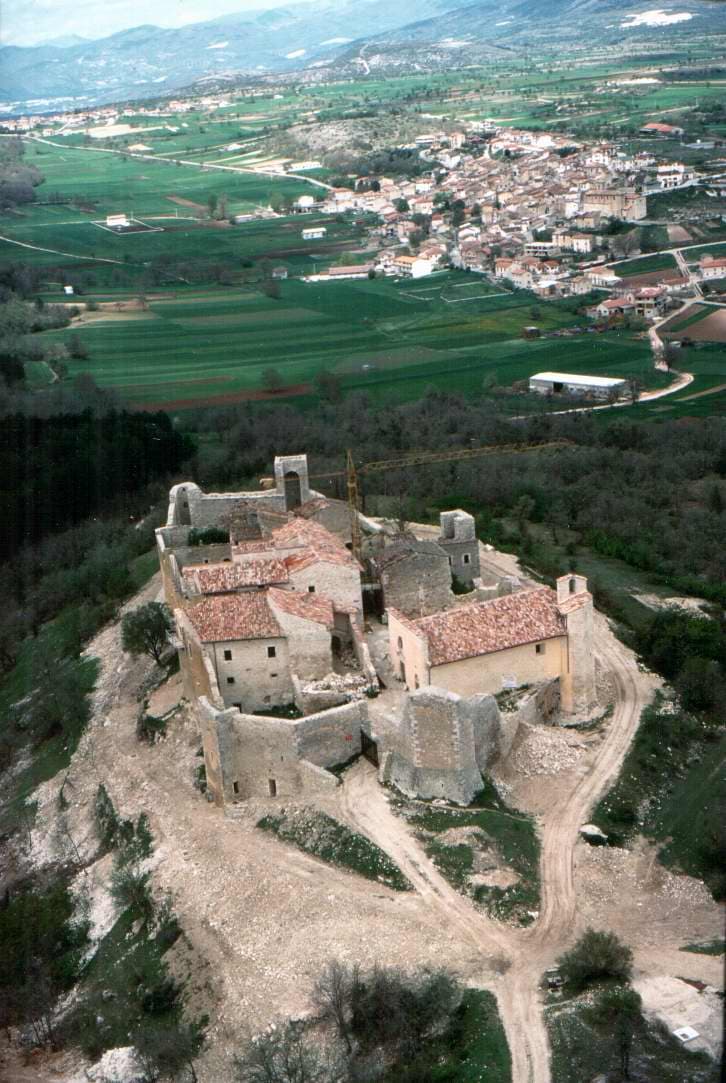
Camponeschi Castle: A Medieval Stronghold in Prata d’Ansidonia
Perched in Abruzzo’s rugged hills, this 14th-century fortress reveals the region’s feudal history and sweeping mountain…
14 August 2026
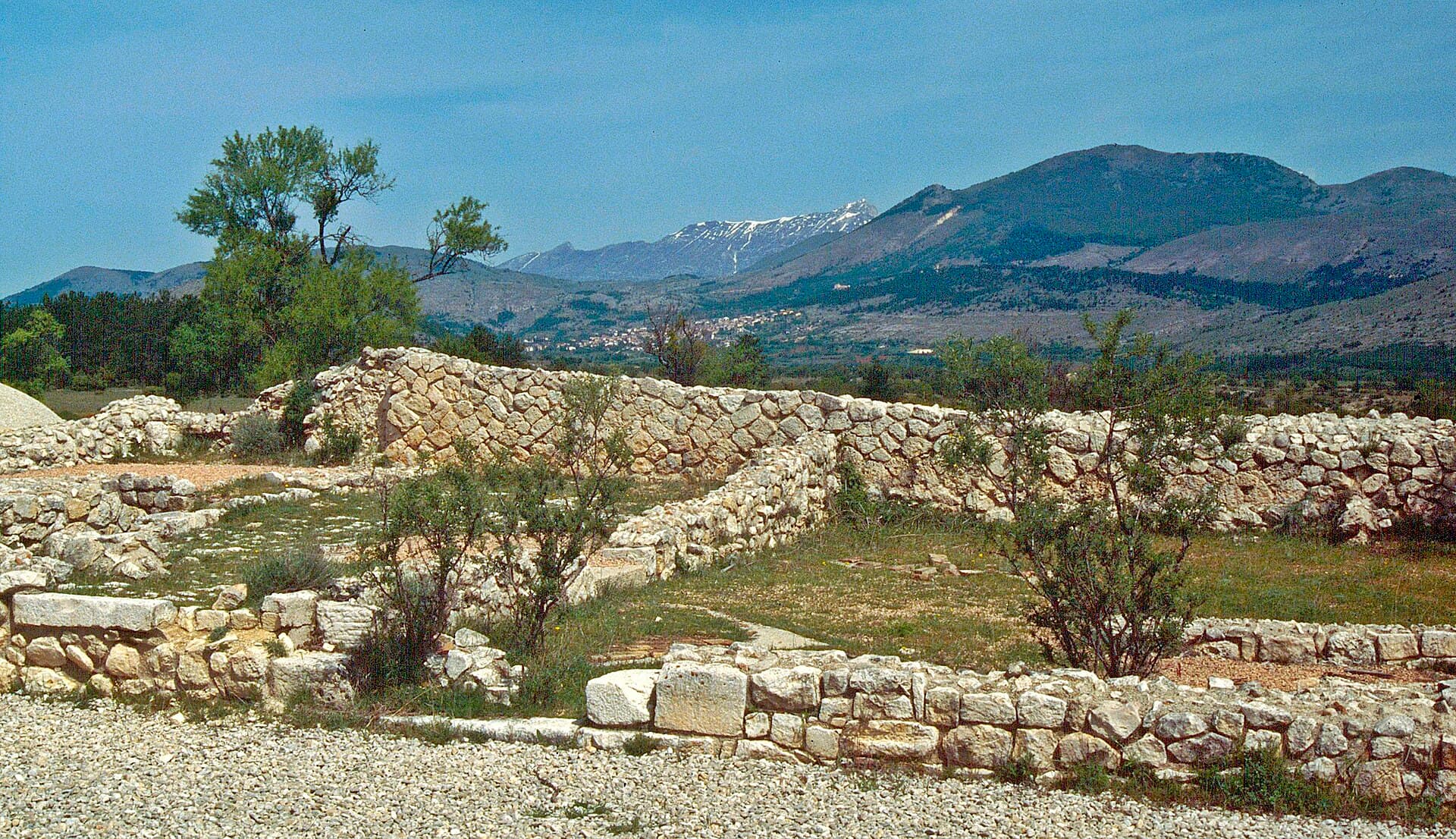
Wander the evocative ruins of an ancient Roman municipium set against the rugged Apennine landscape of central Italy.
Once a thriving municipium along the Via Claudia Nova, Peltuinum preserves the quiet footprint of Roman urban life in Abruzzo. Scattered across a gentle hillside above the modern hamlet of Prata d’Ansidonia, the site reveals limestone blocks from defensive walls, the outline of a theater, and traces of the forum and temple areas that shaped daily existence two millennia ago. Unlike more crowded classical destinations, visitors here encounter the stones largely in solitude, framed by olive groves and distant mountain ridges.
Begin at the surviving stretches of city wall that still mark the original perimeter. Follow the gentle slope downward to the theater, where seating tiers and the curve of the cavea remain legible despite centuries of reuse as building material. Continue toward the lower terraces to locate the forum square and the scant but telling foundations of public buildings. Photographers find rewarding compositions from the higher ground looking across the Aterno valley, especially in the golden light of late afternoon. Allow at least ninety minutes to walk the entire circuit at a measured pace, pausing to appreciate how the layout follows the natural contours of the land.
Most travelers arrive by car from L’Aquila, roughly thirty minutes southeast via the SS17 and local roads that climb into the valley. Those coming from Pescara follow the A25 motorway westward, exiting at Bussi and continuing through Popoli. Public transport is limited; infrequent buses serve Prata d’Ansidonia from L’Aquila, after which a short uphill walk reaches the archaeological area. A sturdy vehicle is recommended for the final gravel approach.
Spring and autumn deliver comfortable temperatures and fewer insects, allowing unhurried exploration. Summer visits are possible but require early morning starts to avoid midday heat on unshaded terrain. Winter brings crisp air and occasional snow dusting on surrounding peaks, yet paths can become muddy after rain.
Combine a visit with the medieval hill town of Castelvecchio Calvisio or the dramatic gorge of the Valle dell’Orte. The thermal springs at Peschiera and the Renaissance architecture of Sulmona lie within an hour’s drive, offering contrast between ancient ruins and later Italian heritage.
Most visitors spend between one and two hours walking the main visible remains at a relaxed pace.
The paths are largely level but consist of grass and uneven stones; those with mobility concerns may find the terrain challenging beyond the initial viewpoint.
No services exist on the archaeological grounds; the nearest amenities are in the village of Prata du2019Ansidonia below.
The site remains open throughout the year, though winter weather can make paths slippery and summer sun intense.
Access is free and self-guided; occasional local history walks are organized by regional cultural associations.
Keep reading
Perched in Abruzzo’s rugged hills, this 14th-century fortress reveals the region’s feudal history and sweeping mountain…