The Significance of the Holodomor Memorial
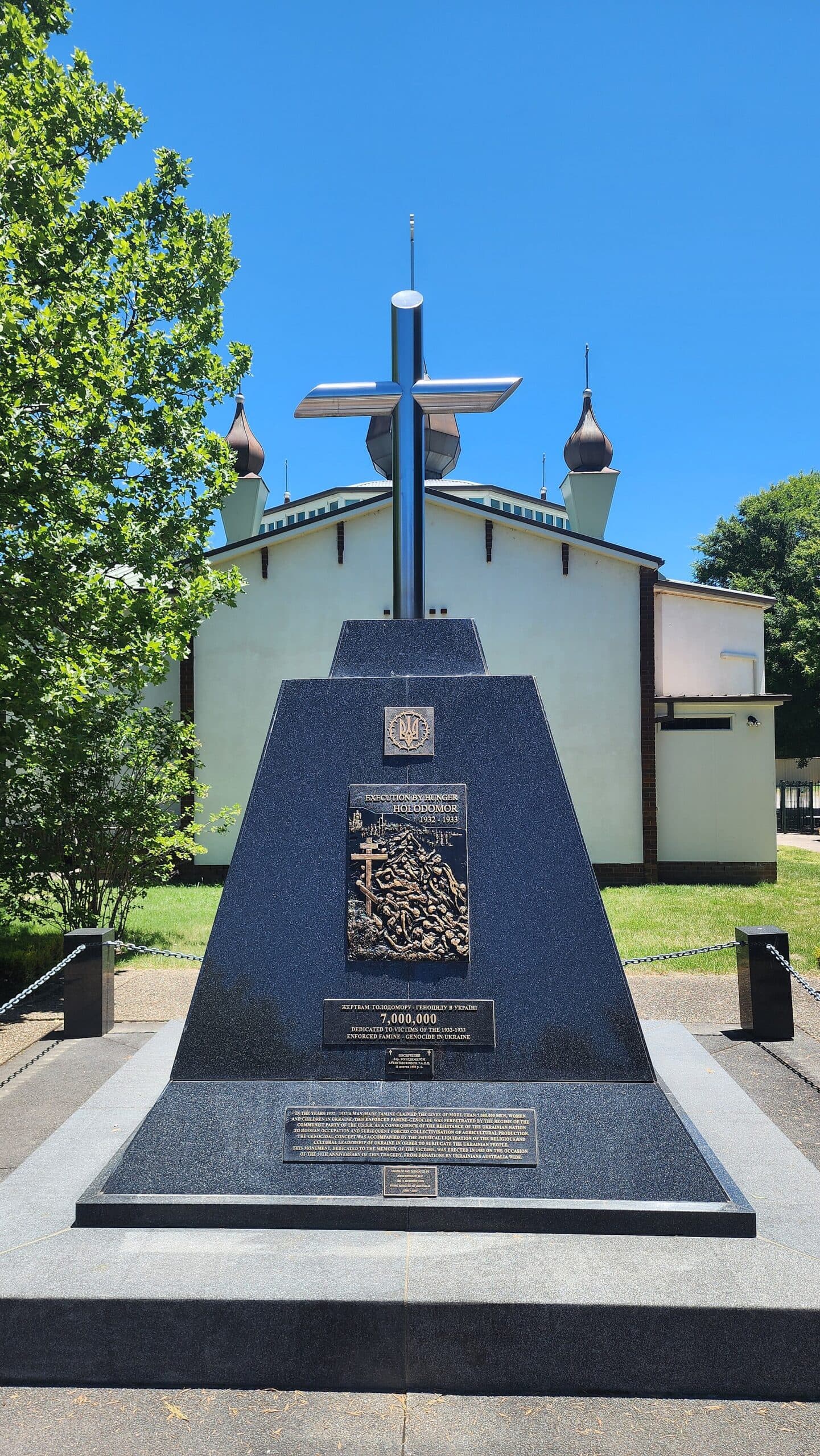
The Holodomor Memorial in Canberra stands as a quiet yet powerful reminder of one of the 20th century’s greatest tragedies. It commemorates the Holodomor, the man-made famine engineered by Soviet authorities that killed an estimated four million Ukrainians between 1932 and 1933. Located in the Australian capital’s Parliamentary Triangle, the monument connects Australia’s Ukrainian community with the broader story of resilience and remembrance.
Design and Symbolism
The memorial features a striking sculptural element that evokes both suffering and hope. Visitors often pause to read the inscriptions that detail the deliberate starvation policies and their lasting impact on Ukrainian identity. The site serves as an educational focal point rather than a tourist spectacle, encouraging quiet reflection on themes of human rights and historical memory.
Visiting the Memorial
Positioned near major civic institutions, the memorial integrates easily into a thoughtful walking tour of Canberra’s political heart. Its placement allows visitors to contemplate the contrast between Australia’s democratic institutions and the authoritarian history it recalls. The surrounding lawns and pathways provide space for contemplation without crowds.
How to Get There
Canberra’s efficient bus network and extensive walking paths make the site straightforward to reach from the city centre. Many visitors combine the stop with nearby landmarks along the same route, creating a meaningful half-day itinerary focused on remembrance and governance.
Best Time to Visit
Autumn and spring offer the most comfortable conditions for outdoor reflection, with mild temperatures and fewer extremes than Canberra’s hot summers or cool winters. Ukrainian community commemorations occasionally occur on or near 23 November, providing deeper context for those interested in living traditions of remembrance.
Nearby Attractions
The memorial sits within easy reach of Parliament House, the High Court of Australia, and Reconciliation Place. These sites together illustrate themes of justice, democracy, and national identity, making the area a natural extension of any visit focused on historical awareness.
- Allow time to read all inscriptions fully before moving on.
- Consider the memorial’s place within Australia’s multicultural heritage.