Keep reading
Nearby & related
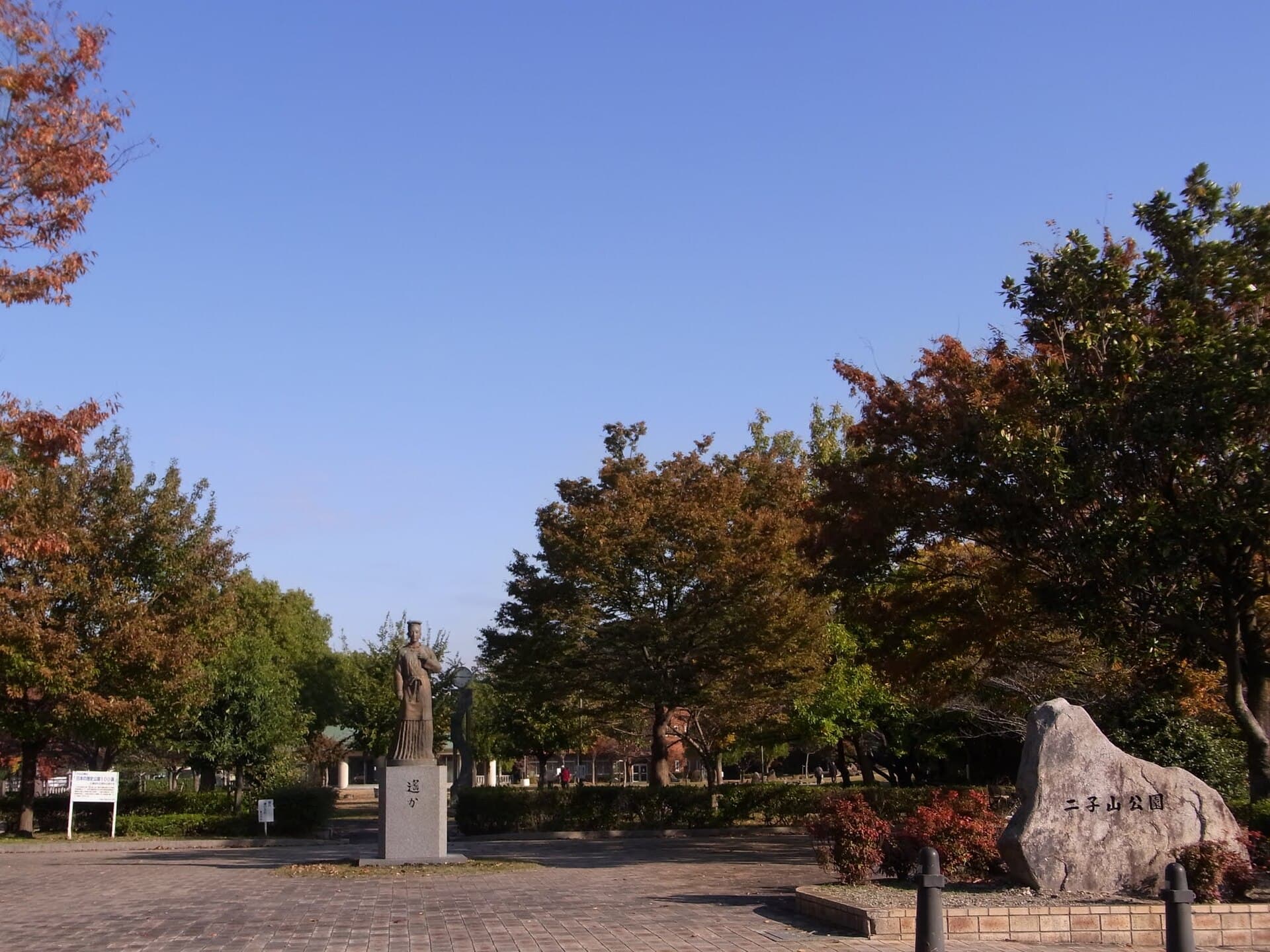
Futagoyama Park in Kasugai: Twin-Peak Trails and Local Nature Near Nagoya
A compact city park centered on two gentle hills offering quiet walks, seasonal foliage, and easy access from central…
17 August 2026
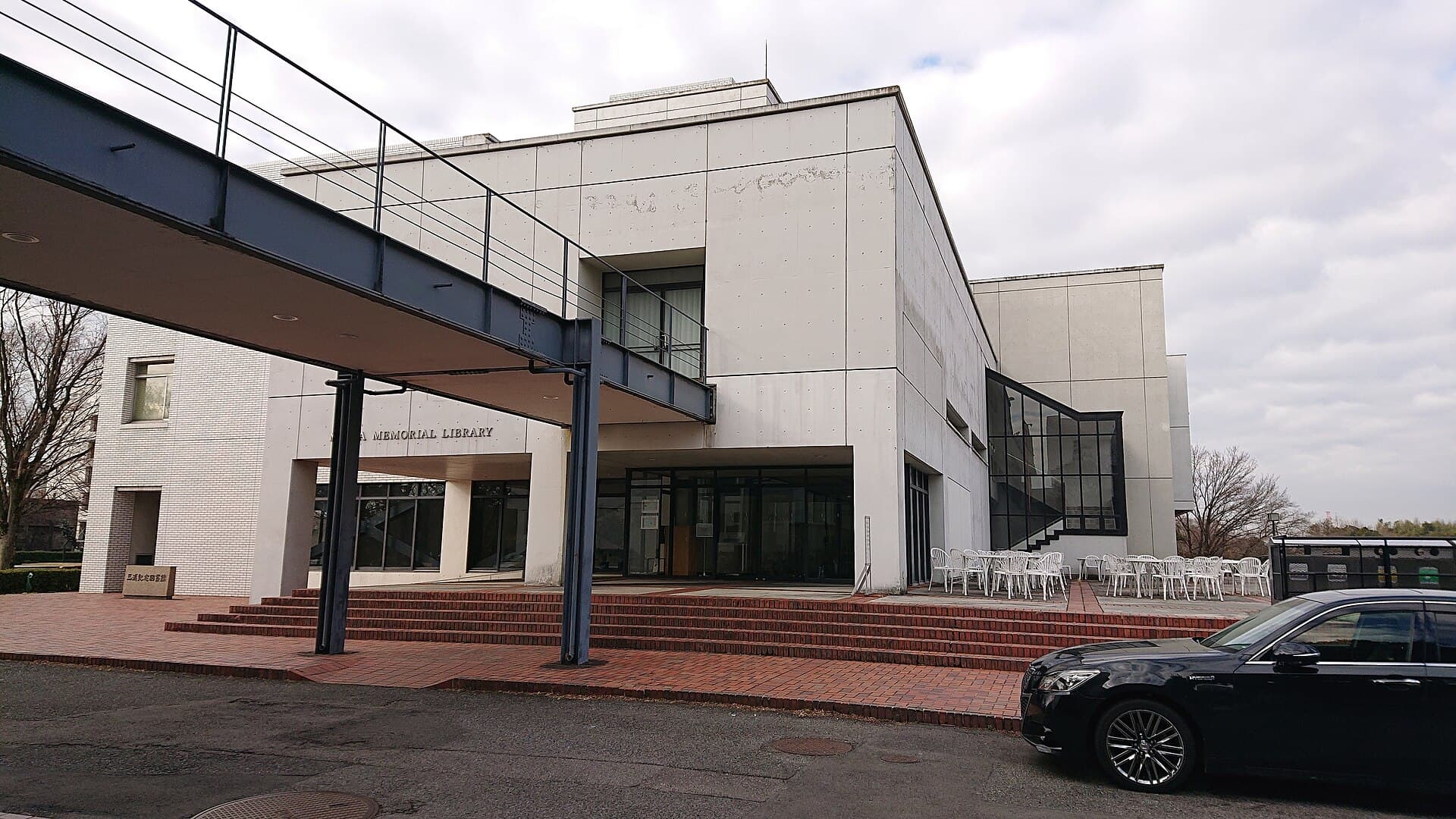
A university museum in Aichi Prefecture showcasing ethnological artifacts from Japan and beyond.
Located on the campus of Chubu University in Kasugai, this museum offers a focused look at ethnological art and material culture. Its collections emphasize everyday objects, textiles, tools, and ritual items that reveal how communities across Asia and the Pacific have lived and expressed identity through craft and design. Visitors gain quiet insight into regional traditions without the crowds of larger city institutions.
The permanent displays rotate selections from holdings that include Ainu garments and implements, Okinawan textiles, and artifacts from Southeast Asian highland cultures. Explanatory panels connect each piece to its original social context, such as how specific weaving patterns denote clan affiliation or how carved masks function in seasonal ceremonies. Temporary exhibitions often explore themes like bamboo craftsmanship or indigo dyeing techniques still practiced in rural Japan.
The museum occupies a modest building integrated into the university grounds. Large windows overlook wooded areas of the campus, creating a calm atmosphere for viewing. Outdoor paths lead past student sculptures and gardens that echo the natural materials featured inside the galleries.
Kasugai lies northeast of central Nagoya. From Nagoya Station, take the Meitetsu train to Jinryo or Kasugai stations, then transfer to a local bus or taxi for the short ride to the Chubu University campus. Drivers can use the university’s visitor parking areas near the main gate; signage directs pedestrians to the museum entrance. The location works well as a half-day stop when traveling between Nagoya and the Kiso Valley or post towns along the Nakasendo.
Spring and autumn bring comfortable temperatures and fewer humid days, making the campus walk pleasant. University events such as open-campus days occasionally coincide with special displays, offering a glimpse of student life alongside the exhibits. Summer visits suit those interested in air-conditioned indoor viewing, while winter offers clear views of the surrounding mountains.
After the museum, explore the historic streets of nearby Inuyama or the castle town of Komaki. The Chubu region’s many shrines and temples provide further context for the ritual objects seen in the galleries. Food-focused travelers can sample miso-based dishes in local Kasugai eateries before returning to Nagoya.
Keep reading
A compact city park centered on two gentle hills offering quiet walks, seasonal foliage, and easy access from central…
Yes, the clear labeling and tangible objects such as textiles and tools engage older children, though the tone remains scholarly rather than interactive.
Most labels appear in both Japanese and English, with enough context to follow the main themes even without language skills.
The campus library and certain public lecture halls are sometimes open to visitors on request, but the museum itself remains the primary draw.
Its smaller scale allows longer viewing time per object and stronger emphasis on craft techniques from central Japan and neighboring regions.
Non-flash photography is generally allowed for personal use, though tripods and commercial shoots require prior permission.
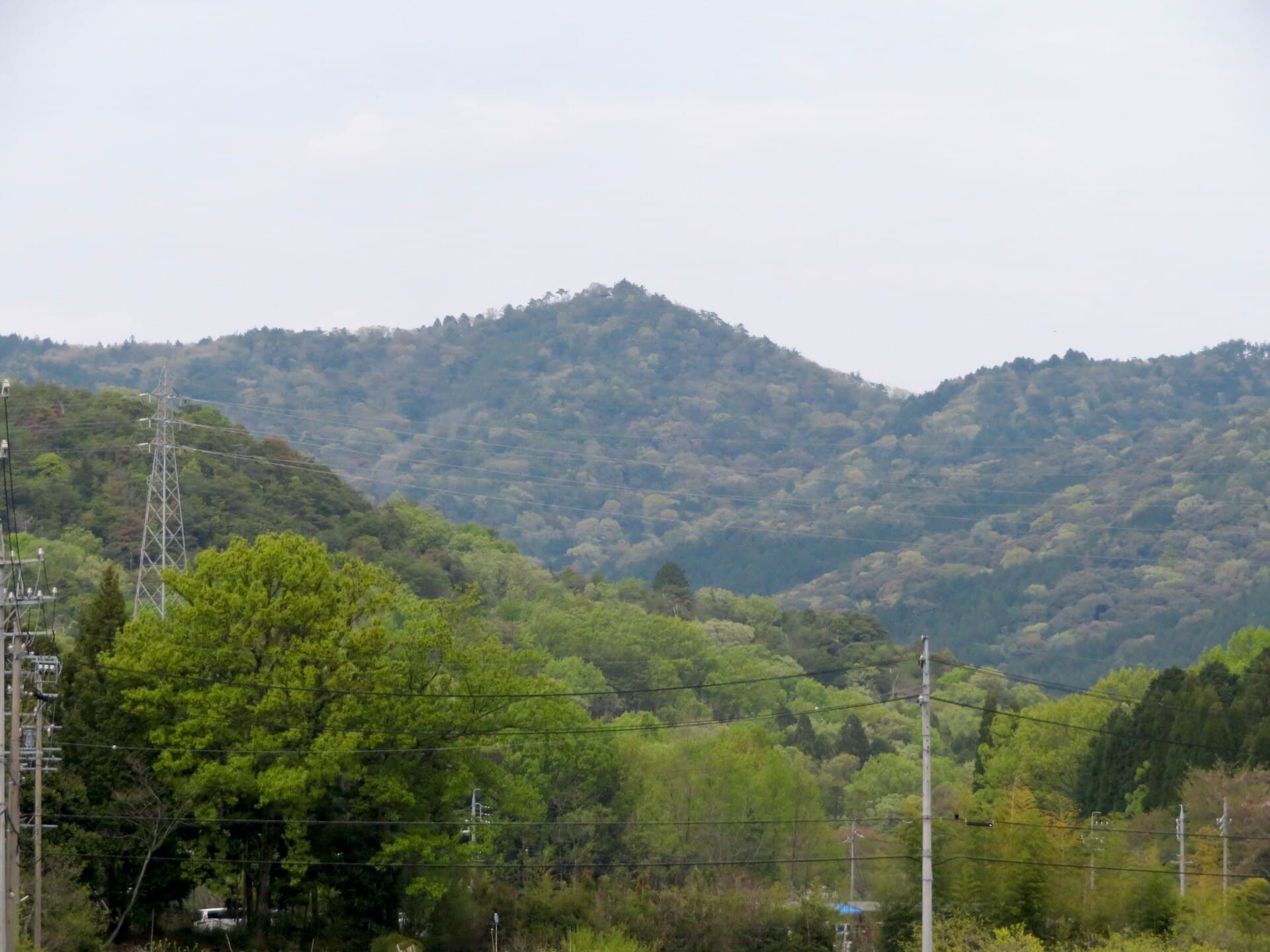
A modest summit near Nagoya offering forest trails, seasonal foliage, and sweeping views over the Nobi Plain.
A modest but rewarding peak in Aichi Prefecture offering forested trails and wide views of the Nobi Plain.