Why Mount Doju Rewards a Visit
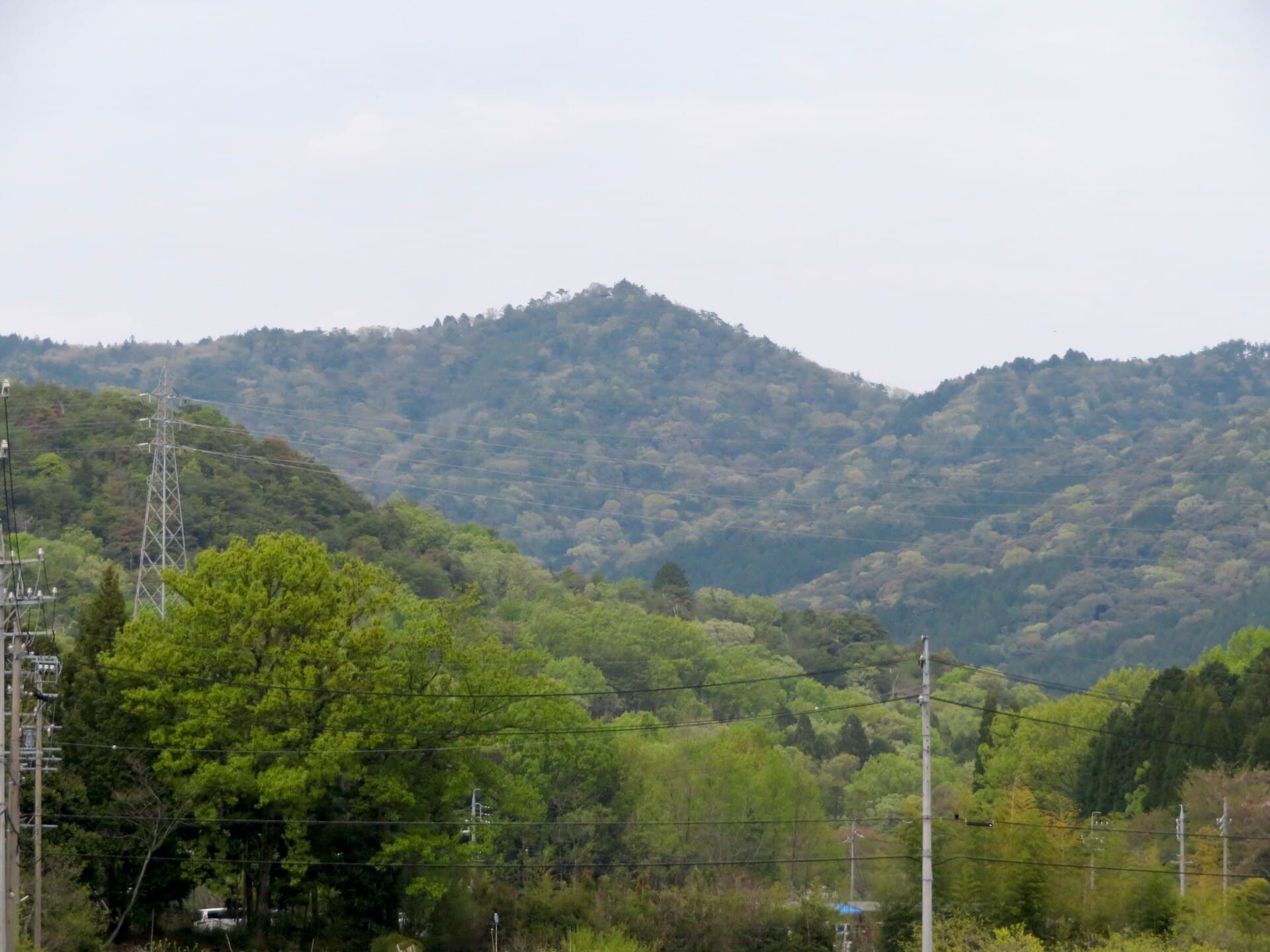
Mount Doju rises gently above the Kasugai plateau, its 400-metre summit reached by well-tended paths that wind through mixed cedar, oak and maple forest. The mountain’s modest height makes it ideal for half-day outings while still delivering open panoramas across the Nobi Plain toward the distant ridgelines of the Kiso Mountains on clear days.
Trails and Summit Experience
Two principal routes start from the eastern and western trailheads. The eastern path follows an old forestry road that gradually narrows into a single track lined with mossy boulders; the western approach passes a small Shinto shrine before climbing through stands of bamboo grass. Both meet at a modest clearing marked by a triangulation point and a simple wooden bench. In autumn the maple canopy turns vivid red and gold, while spring brings fresh green foliage and occasional wildflowers along the verges.
Getting There
Kasugai Station on the JR Chuo Line is the nearest rail access. From the station, local buses run toward the mountain’s base; many visitors continue by taxi for the final few kilometres to the trailheads. Drivers can park at signed lots near each entrance. The mountain lies roughly 30 minutes by car from central Nagoya, making it convenient for day trips.
Best Time to Visit
Late March through early May offers mild temperatures and blooming undergrowth. October and November bring comfortable hiking weather and colourful foliage. Summer hikes are possible but require early starts to avoid heat and humidity; winter visits are quieter yet demand attention to icy patches on north-facing slopes.
Nearby Attractions
After descending, explore Kasugai’s historic sake breweries or the nearby Aichi Earth Celebration Park with its outdoor sculptures. The broader Owari region also includes the castle town of Inuyama and the Meiji-era architecture of Seto’s pottery district, both reachable within an hour.