Skip to content
Plan & Tour
DestinationsItinerariesTravel BlogAboutContact
0Sign inPlan a trip
Plan & TourPlan & Tour

Travel guides, destination inspiration and curated itineraries for Canada, the USA and beyond, plus a free tool to plan your own day-by-day trip.

Get travel inspiration

Explore

  • All Destinations
  • Curated Itineraries
  • Travel Blog
  • Plan a Trip

Topics

  • Hiking & Nature
  • Food & Drink
  • City Breaks
  • Budget Travel

Company

  • About Us
  • Contact
  • Privacy Policy
  • Terms of Service

© 2026 Plan & Tour. Built for travellers.

Discover the world, one trip at a time.

Mount Wilbur: Scaling Alaska’s Remote Glacier Bay Wilderness Peak
  1. Home
  2. Destinations
  3. Hoonah–Angoon Census Area
  4. Mount Wilbur: Scaling Alaska’s Remote Glacier Bay Wilderness Peak
Mountain

Mount Wilbur: Scaling Alaska’s Remote Glacier Bay Wilderness Peak

Experience the stark, glacier-carved majesty of Mount Wilbur, a striking summit in Alaska's vast Hoonah–Angoon wilderness.

Hoonah–Angoon Census AreaUpdated 16 August 2026

Why Mount Wilbur Draws Adventurers

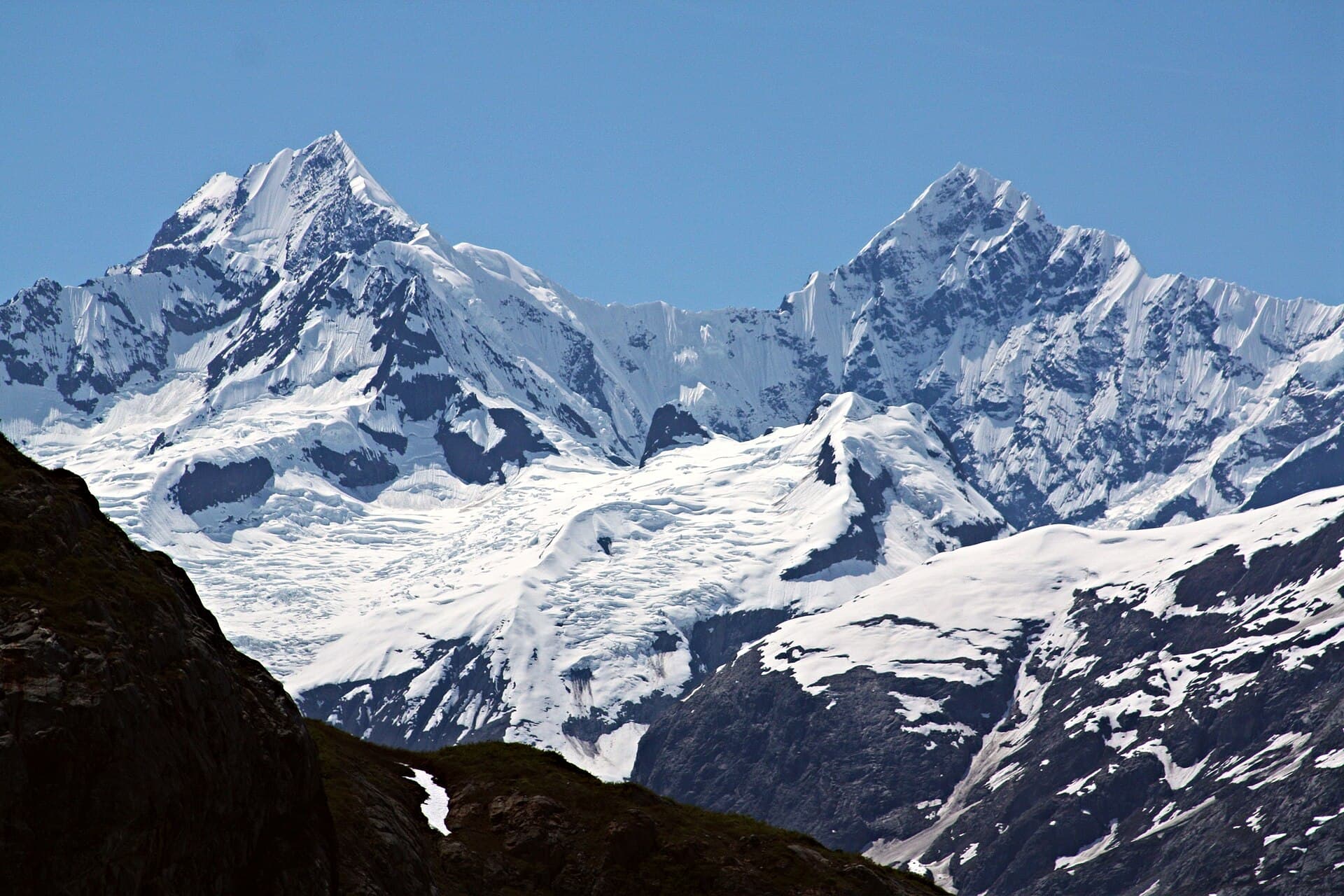
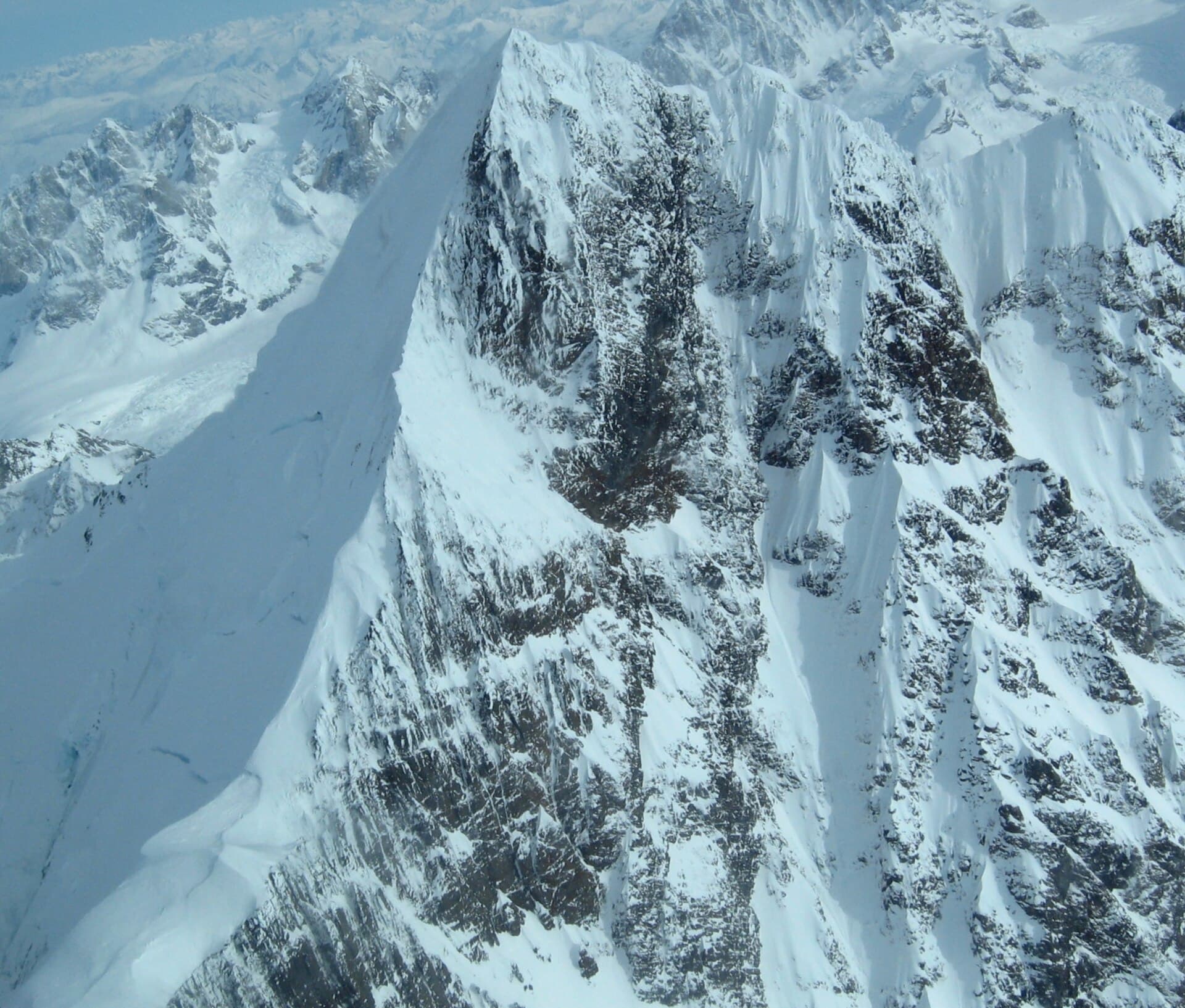
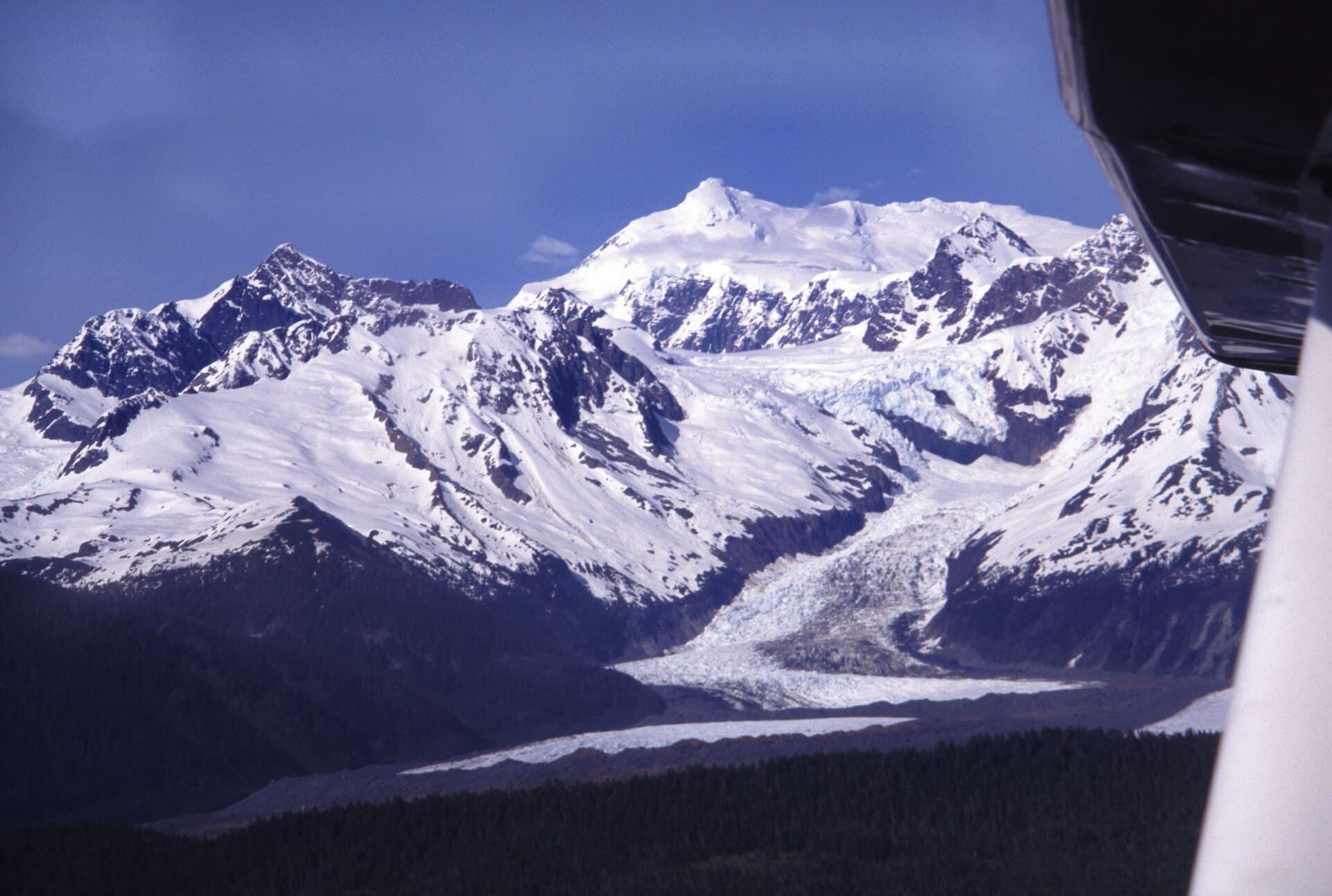
Mount Wilbur rises sharply from the coastal mountains of southeast Alaska, its granite flanks shaped by ancient ice and relentless weather. Located within the boundaries of Glacier Bay National Park and Preserve, the peak offers visitors sweeping views of tidewater glaciers, fjords, and the Fairweather Range. Its isolation creates a sense of true wilderness that few other accessible summits can match.

Getting There

Reaching Mount Wilbur requires careful planning because no roads lead directly to the area. Most travelers fly into Juneau, then take a scheduled flight or ferry to Gustavus. From there, park-authorized boat charters or flightseeing tours provide access to the shores of Glacier Bay near the mountain’s base. Hikers and climbers typically arrange drop-offs for multi-day backcountry trips, as day visits are impractical due to distance and terrain.

Best Time to Visit

The optimal window runs from late May through early September when snow levels are lower and daylight hours are long. July and August bring the mildest temperatures and reduced storm risk, though rain remains common. Winter visits demand advanced mountaineering skills and specialized equipment because of heavy snowfall and avalanche danger.

Activities and What to See

Experienced climbers tackle the peak via routes that combine glacier travel and steep rock. Non-climbers enjoy boat-based wildlife viewing, where brown bears, sea otters, and humpback whales frequent the waters below the mountain. Photographers prize the contrast between the dark rock spire and surrounding ice fields. Kayakers can launch from permitted beach sites for paddling excursions along the shoreline with Mount Wilbur dominating the skyline.

Nearby Attractions

Glacier Bay itself offers numerous tidewater glaciers such as Margerie and Johns Hopkins, reachable by the same boat services. The park’s visitor center in Bartlett Cove provides orientation exhibits and ranger programs. Further afield, the small community of Gustavus offers lodging and local art galleries that celebrate the region’s natural heritage.

  • Pack layers for sudden weather changes and bring bear-resistant food containers for any overnight stay.
  • Obtain required backcountry permits through the National Park Service well in advance of travel.
  • Book boat or air charters early, as capacity is limited during peak summer months.

Visitor tips

  • Carry a satellite communication device because cell service is nonexistent in the Glacier Bay backcountry.
  • Check tide tables and weather forecasts daily, as coastal conditions change rapidly and affect landing sites.
  • Hire a local guide familiar with glacier travel if attempting the summit, as crevasses and route-finding present serious hazards.

Frequently asked questions

Do I need a permit to visit Mount Wilbur?+

Yes, backcountry permits are required for any overnight stay within Glacier Bay National Park; day visitors on guided boat tours do not need individual permits.

Is Mount Wilbur suitable for beginners?+

No, the peak demands prior mountaineering experience due to glacier crossings and technical terrain; first-time visitors should consider guided boat or flightseeing tours instead.

What wildlife might I encounter near Mount Wilbur?+

Brown bears, mountain goats, and marine mammals such as harbor seals and whales are commonly seen in the surrounding waters and lower slopes.

How long does a typical trip to the area take?+

Most visitors plan three to seven days to account for travel from Juneau, weather delays, and time on the water or trails.

Are there established trails to the summit?+

There are no maintained trails; access involves cross-country travel over glaciers and untracked terrain, making route-finding skills essential.

Share
Google Maps Apple Maps Directions

Image: Raniel Diaz · CC BY 2.0 · via Wikimedia Commons

Keep reading

Nearby & related

All stories
Mount Orville: Remote Wilderness Peak in Alaska’s Fairweather Range
Hoonah–Angoon Census Area

Mount Orville: Remote Wilderness Peak in Alaska’s Fairweather Range

Experience the rugged solitude of Mount Orville, a glaciated summit deep in Alaska’s Glacier Bay wilderness.

16 August 2026
Y
Hoonah–Angoon Census Area

Yakobi Island: Remote Wilderness in Alaska’s Tongass National Forest

Explore the rugged, wildlife-rich terrain of Yakobi Island, a secluded destination in Southeast Alaska’s Alexander…

16 August 2026
Mount Crillon: Scaling Alaska’s Remote Fairweather Giant
Hoonah–Angoon Census Area

Mount Crillon: Scaling Alaska’s Remote Fairweather Giant

An insider’s guide to planning an expedition on this dramatic, seldom-visited peak in the Fairweather Range.

15 August 2026