Why Mount Crillon Draws Serious Climbers
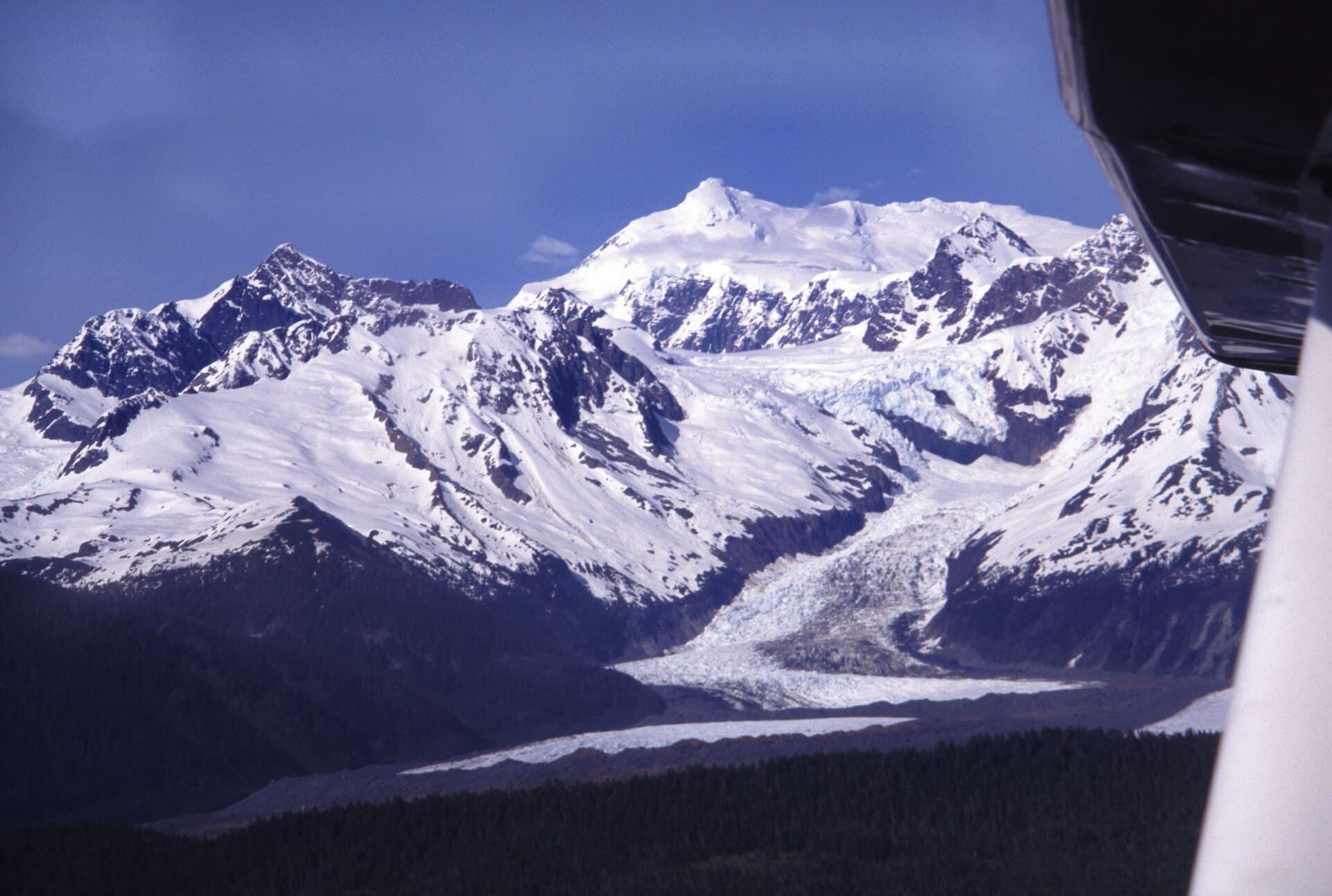
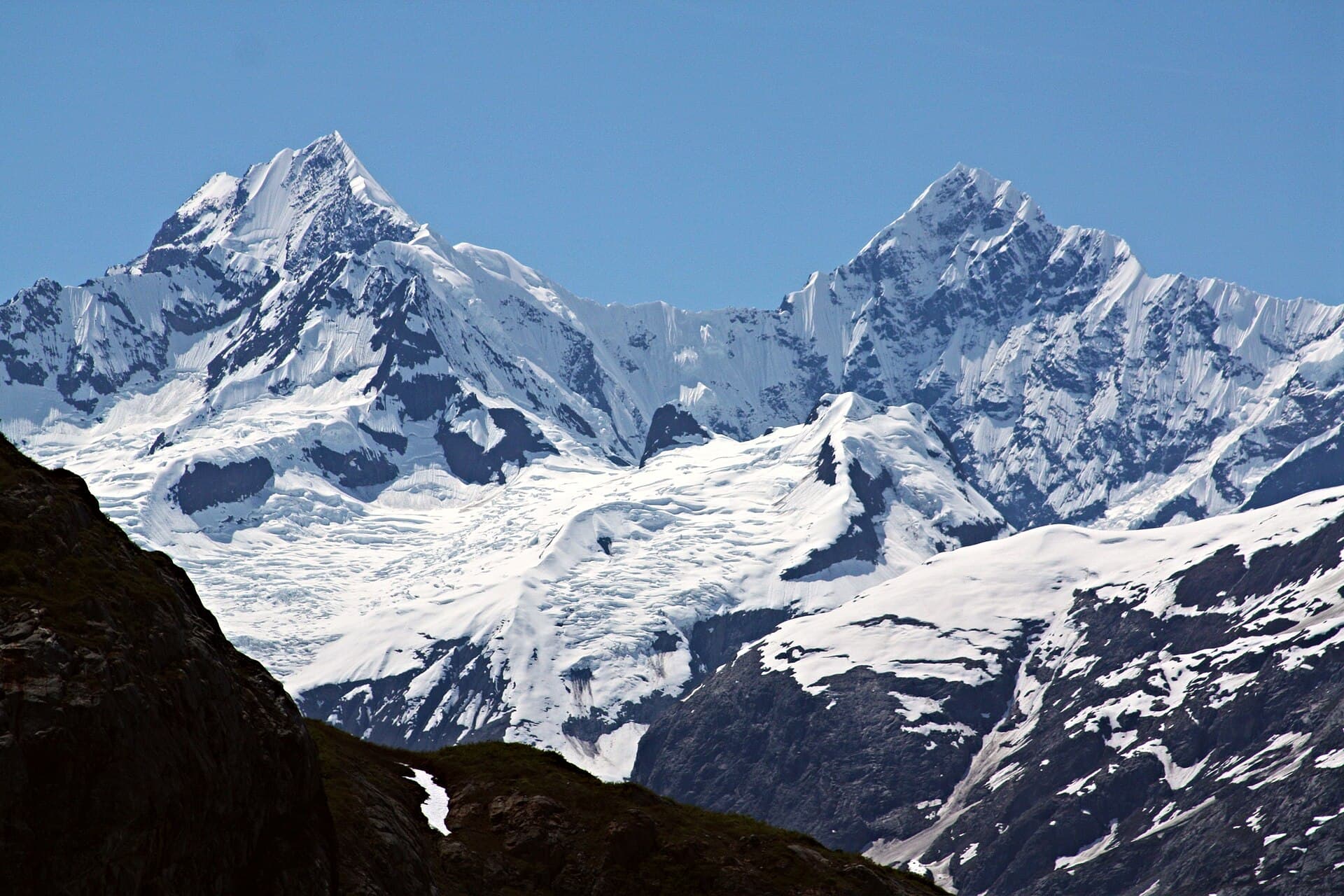
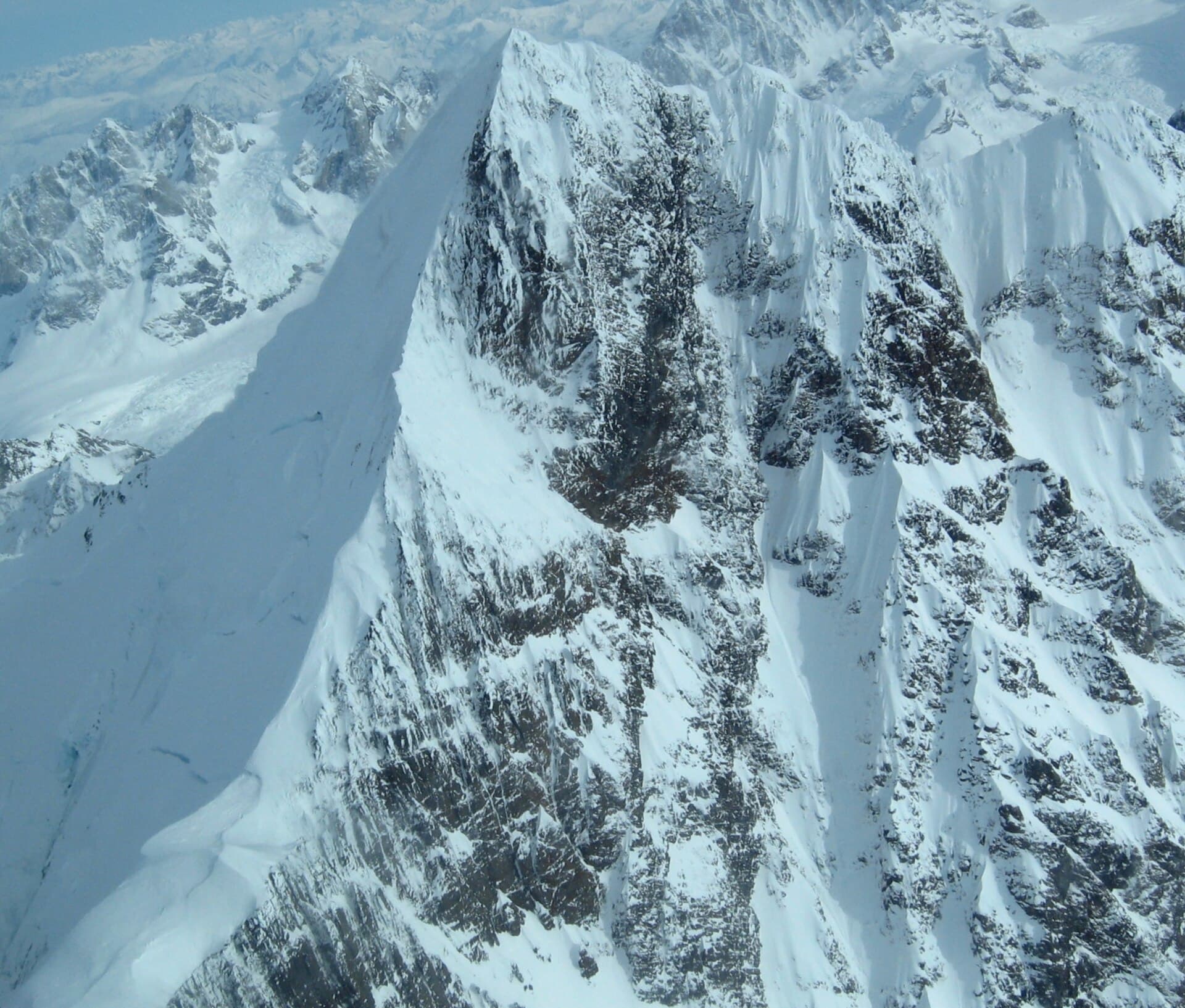
Mount Crillon rises dramatically from the coastal wilderness of southeast Alaska, offering one of the most isolated big-mountain experiences in North America. Its steep granite faces and extensive glaciers provide a true expedition setting far from roads or developed trails. The mountain’s position in the Fairweather Range creates sweeping views across the Gulf of Alaska and into Glacier Bay’s icy fjords, rewarding those willing to invest the time and logistics.
Planning an Expedition
Because no maintained trails lead to the summit, every visit requires careful preparation. Most parties fly to the small town of Gustavus, then arrange boat or float-plane transport to the Lituya Bay area. From there, climbers typically establish a base camp on the Pacific side or approach via the Johns Hopkins Glacier drainage. Expect multi-week trips that include crevasse travel, ice climbing, and high-alpine camping. Experienced guides familiar with the Fairweather Range are strongly recommended for first-time visitors.
Essential Skills and Gear
- Proficiency in glacier travel and crevasse rescue
- Experience with long, committing rock and ice routes
- Self-sufficient camping and storm-management systems
- Satellite communication and detailed weather monitoring
Best Time to Visit
The climbing season runs from late May through early September, when daylight is long and temperatures are least severe. June and July generally offer the most stable weather windows, though Pacific storms can arrive quickly at any time. Snow conditions on the upper mountain improve after the spring melt but can deteriorate rapidly in late summer.
Nearby Attractions Worth Combining
Many expeditions pair Mount Crillon with exploration of Lituya Bay, site of the world’s largest recorded tsunami in 1958. The surrounding waters of Glacier Bay National Park offer kayaking among tidewater glaciers and excellent wildlife viewing, including brown bears and humpback whales. Mount Fairweather, the range high point, lies just north and can be attempted on the same trip by well-prepared teams.