Keep reading
Nearby & related
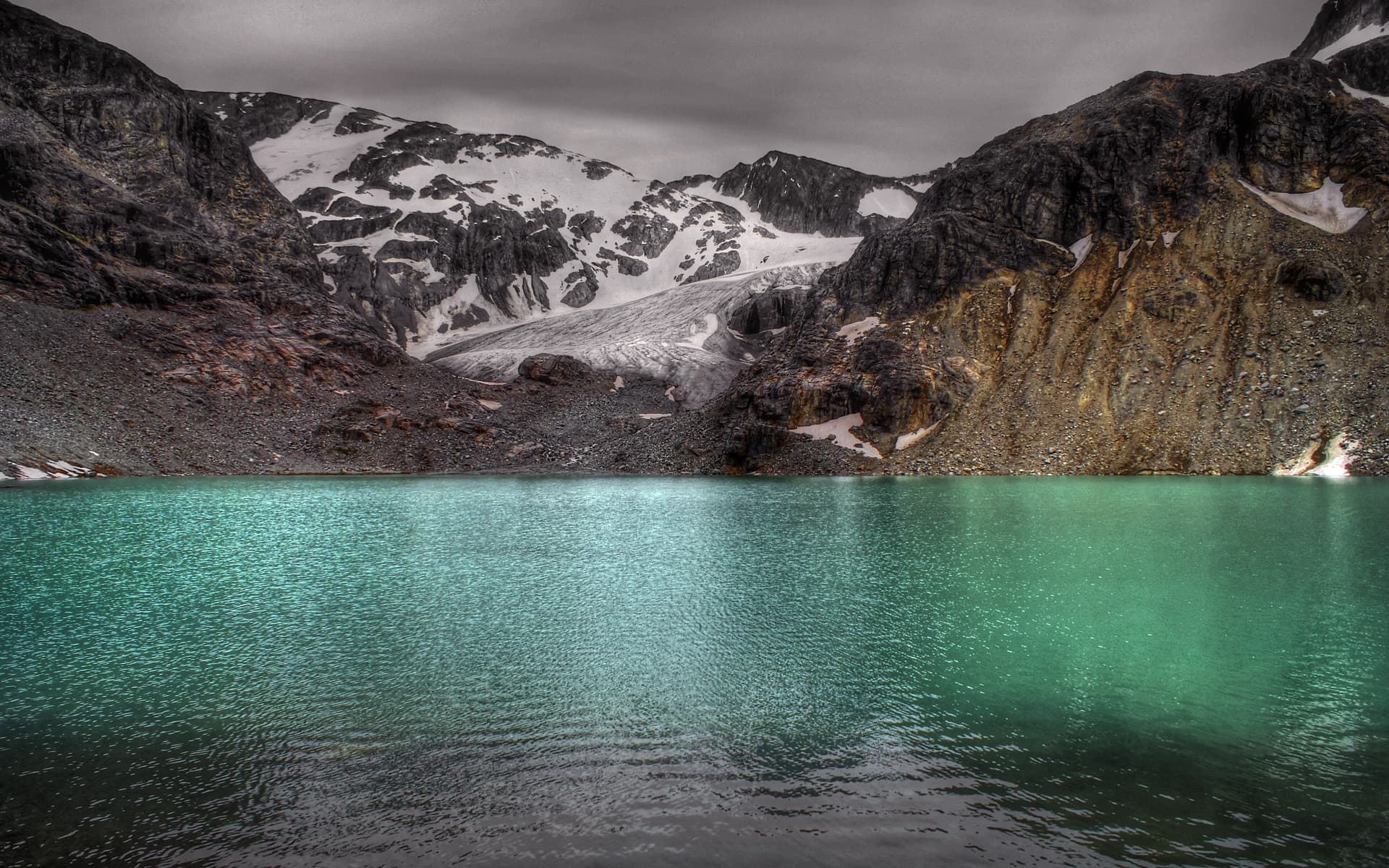
Wedgemount Lake: Hiking to a Turquoise Alpine Gem Near Whistler
A rewarding backcountry trek leads to glacial waters and sweeping mountain views in British Columbia’s Coast Range.
8 August 2026
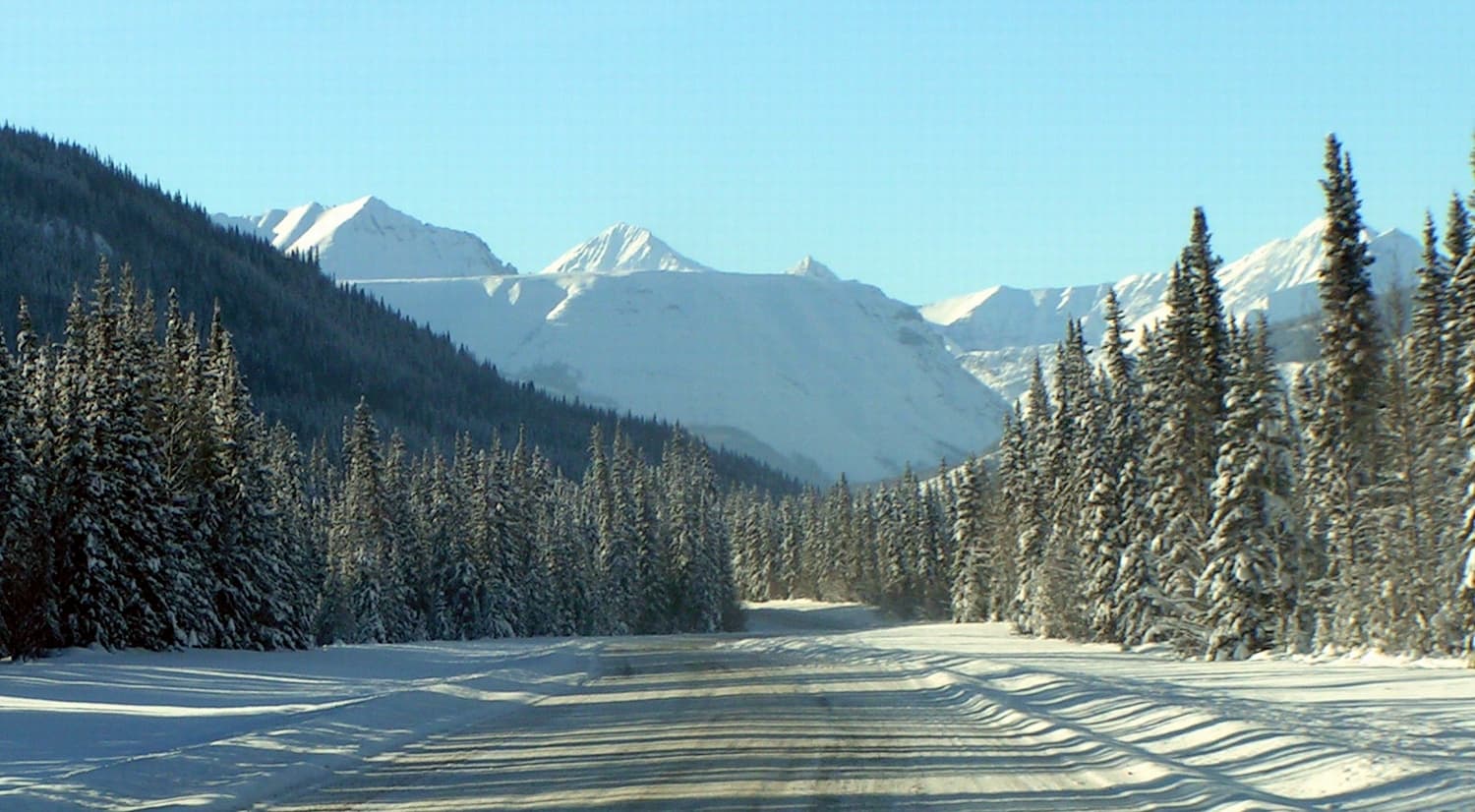
Experience true solitude and dramatic alpine terrain on Mount Ulysses, one of the most isolated summits in the Muskwa Ranges.
Mount Ulysses rises as a prominent, pyramid-shaped peak in the remote Muskwa Ranges of northern British Columbia. Its isolation delivers expansive views across glaciated valleys, limestone ridges, and endless boreal forest with virtually no other visitors. The mountain rewards those seeking genuine wilderness rather than developed trails or facilities.
Reaching Mount Ulysses requires careful planning due to its position deep within the Northern Rocky Mountains. Most travelers fly into Fort Nelson, then arrange helicopter or fixed-wing floatplane charters for the final leg into the surrounding valleys. Overland approaches involve long drives on resource roads followed by multi-day backpacking routes across unmarked terrain and river crossings. No maintained trails lead directly to the mountain.
July and August offer the most reliable conditions, when snow has receded from lower slopes and daytime temperatures allow for extended travel. Earlier in the season, lingering snow and high water levels complicate access, while September brings shorter days and the first winter storms.
Experienced mountaineers attempt the peak via scrambling routes on its south and west ridges. The surrounding valleys provide excellent opportunities for wildlife viewing, including caribou, grizzly bears, and mountain goats. Photographers prize the unobstructed alpine vistas at sunrise and sunset. Multi-day traverses connecting nearby high points offer extended wilderness journeys for fit hikers.
The broader region includes the vast Northern Rocky Mountains Provincial Park to the south and the spectacular Wokkpash Valley with its dramatic gorge and hoodoos. Travelers often combine a Mount Ulysses trip with visits to the Liard River Hot Springs or the Alaska Highway corridor for resupply and contrast with the high country.
Keep reading
A rewarding backcountry trek leads to glacial waters and sweeping mountain views in British Columbia’s Coast Range.
The peak demands strong navigation skills, glacier travel experience, and multi-day self-sufficiency; it is not suitable for beginners or casual hikers.
No maintained trails or backcountry huts exist. All travel is cross-country through unmarked wilderness.
Grizzly bears, black bears, woodland caribou, mountain goats, and wolves are common; proper food storage and awareness are essential.
No public roads reach the immediate vicinity; the final approach requires air charter or a lengthy backpacking expedition.
Yes, random backcountry camping is allowed on Crown land, though visitors should practice Leave No Trace principles and be prepared for variable weather.
This serene lake in British Columbia’s Rockies delivers quiet paddling, trout fishing, and easy access to dramatic peaks…
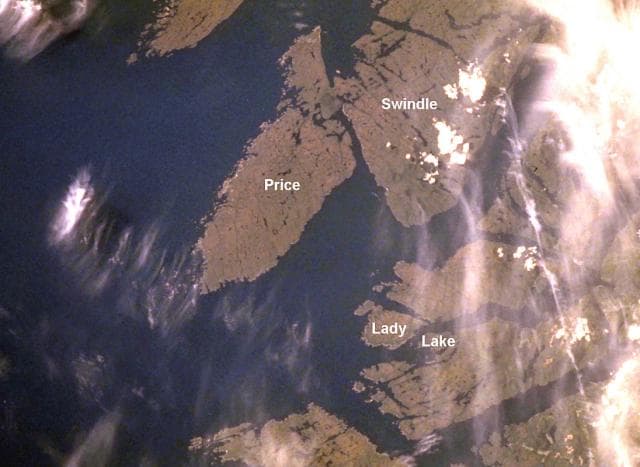
Discover pristine rainforest, marine wildlife, and quiet anchorages on this secluded island in the Inside Passage.