Keep reading
Nearby & related
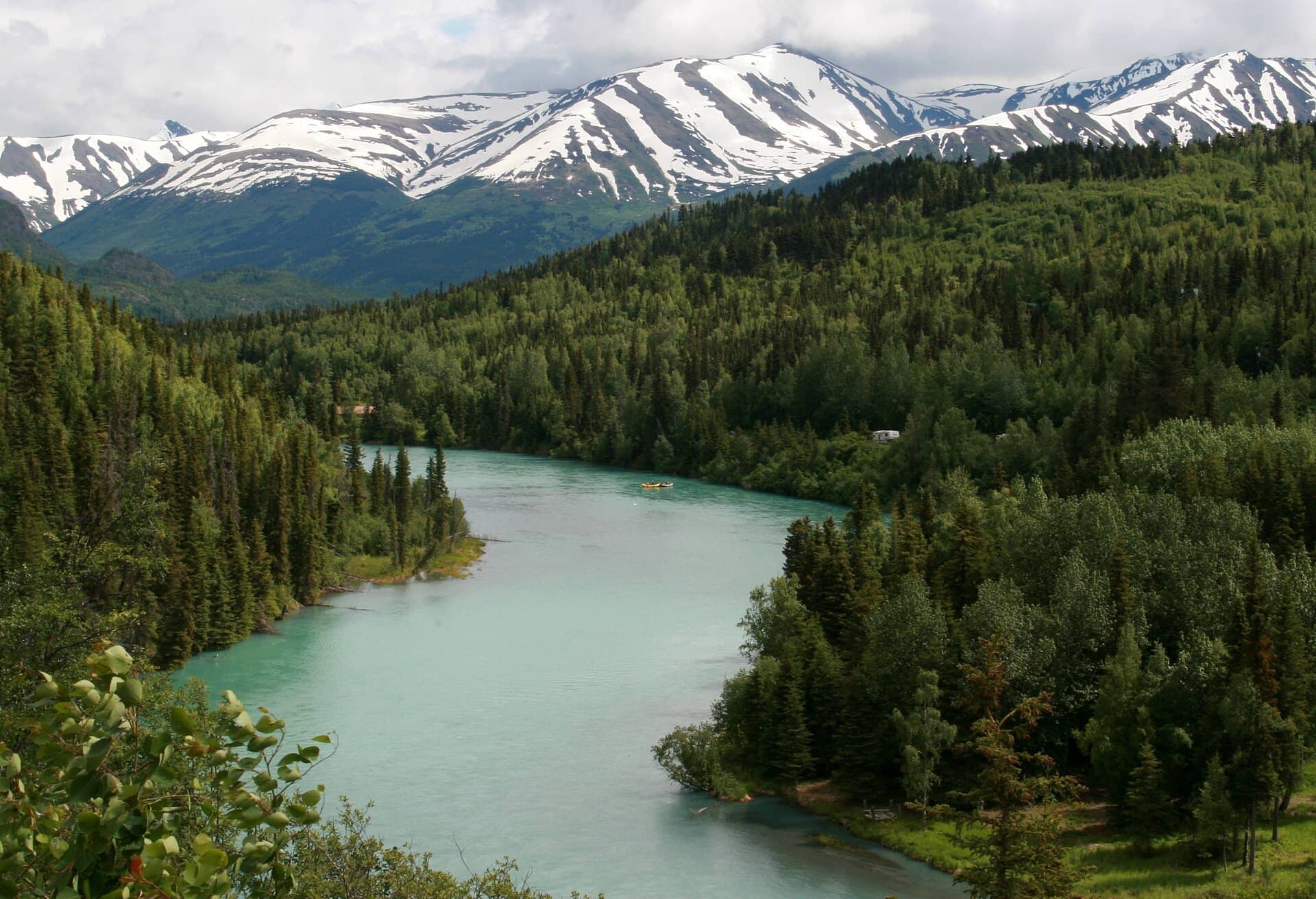
Kenai River: Alaska’s Premier Salmon Fishing Waterway
Experience world-class fishing, glacier-fed waters, and abundant wildlife on the Kenai River in Alaska’s Kenai…
14 August 2026
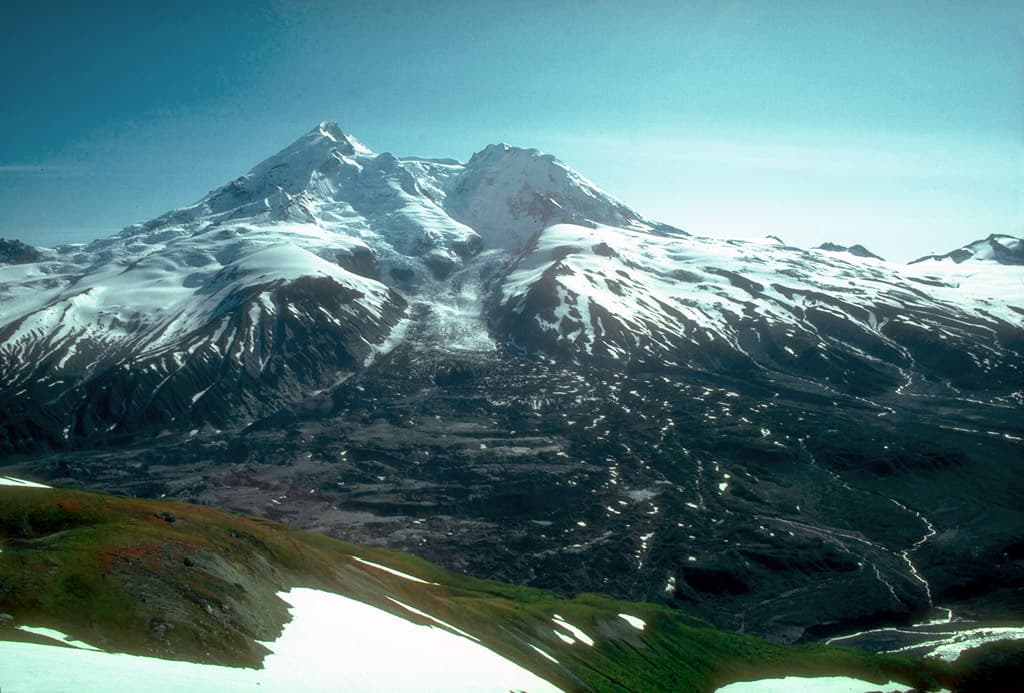
Experience the raw power and pristine wilderness of Mount Redoubt, a towering stratovolcano offering remote hikes, wildlife viewing, and dramatic volcanic landscapes.
Mount Redoubt rises 10,197 feet as an active stratovolcano within Lake Clark National Park and Preserve, delivering visitors a rare chance to witness a living geological force amid Alaska’s untouched terrain. Its history of eruptions, including major events in 1989 and 2009, has shaped surrounding valleys with ash deposits and created unique ecosystems that support brown bears, moose, and salmon runs in nearby rivers. The mountain’s isolation preserves a sense of adventure that draws hikers and photographers seeking authentic wilderness rather than developed trails.
Access begins from Anchorage, where travelers fly into Lake Clark National Park via floatplane or take a boat across Cook Inlet from the Kenai Peninsula. No roads reach the mountain itself, so most visitors arrange guided air charters to drop-off points near the Drift River or Redoubt Bay for day hikes or multi-day treks. Floatplane operators provide scenic overviews of the peak’s crater and glaciers during the flight.
Summer months from June through September offer the most reliable access when snow has melted from lower elevations and rivers are navigable. Clear days allow for better visibility of the summit, while fall brings vibrant tundra colors and fewer insects. Winter visits are possible for experienced backcountry travelers but require specialized gear and awareness of extreme cold and avalanche risks.
Hikers can explore trails around Redoubt Bay for close views of the volcano’s flanks and caldera, or paddle kayaks on glacial lakes formed by past eruptions. Wildlife viewing stands out, with opportunities to spot bears fishing for salmon along the Drift River. Photographers capture the contrast between the snow-capped peak and surrounding forests, while geology enthusiasts examine ash layers and fumaroles on guided excursions. Multi-day backpacking routes connect to other park features like the Chinitna Bay area.
Combine a Redoubt trip with visits to neighboring Iliamna Volcano or the turquoise waters of Lake Clark itself. The park’s coastal areas offer sea kayaking and additional bear viewing, while the Kenai Peninsula provides road-accessible extensions such as the Harding Icefield or fjords near Seward. These destinations create a broader itinerary focused on Alaska’s volcanic and glacial wonders.
Keep reading
Experience world-class fishing, glacier-fed waters, and abundant wildlife on the Kenai River in Alaska’s Kenai…
The mountain is generally safe for hiking on established routes away from the immediate crater when no eruption warnings are in effect, but visitors should monitor official alerts and travel with experienced guides.
Floatplane flights typically last 45 minutes to an hour, though total travel time varies with weather and transfer logistics from Anchorage.
Brown bears, moose, wolves, and bald eagles are commonly seen, especially along rivers during salmon spawning season in summer.
No formal campgrounds exist; visitors practice backcountry camping with Leave No Trace principles in designated wilderness zones.
Technical climbing to the summit requires mountaineering experience and is rarely attempted due to steep glaciers and variable volcanic conditions.
This long, mountain-ringed lake offers world-class fishing, paddling, and easy access to the Kenai Peninsula’s forests…
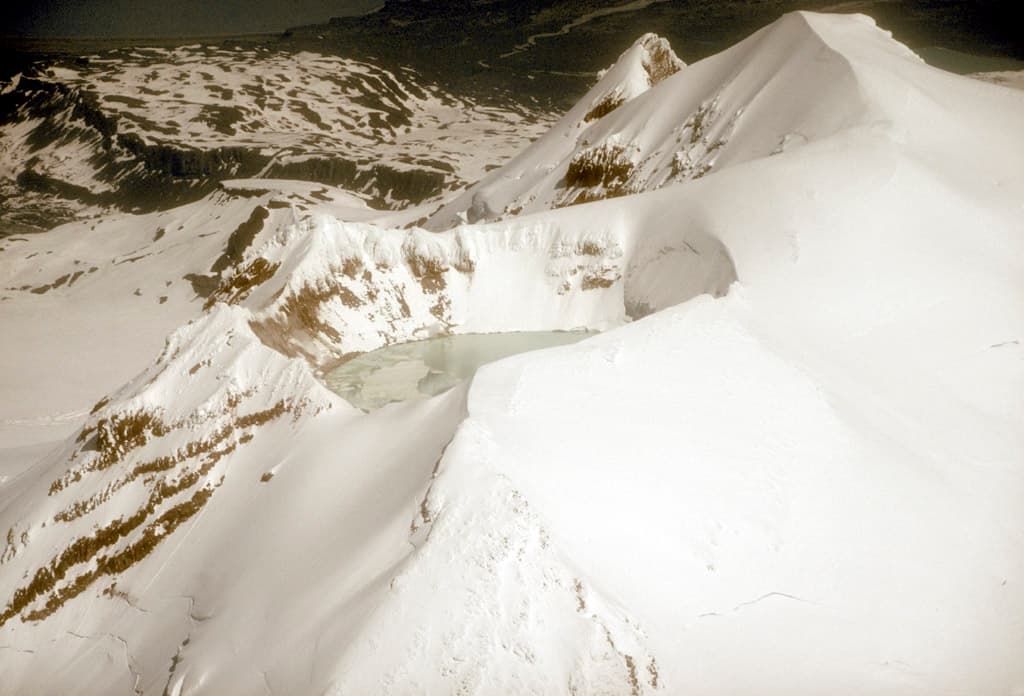
Experience the untouched volcanic slopes and sweeping coastal views of Mount Douglas in Alaska’s remote backcountry.