Keep reading
Nearby & related
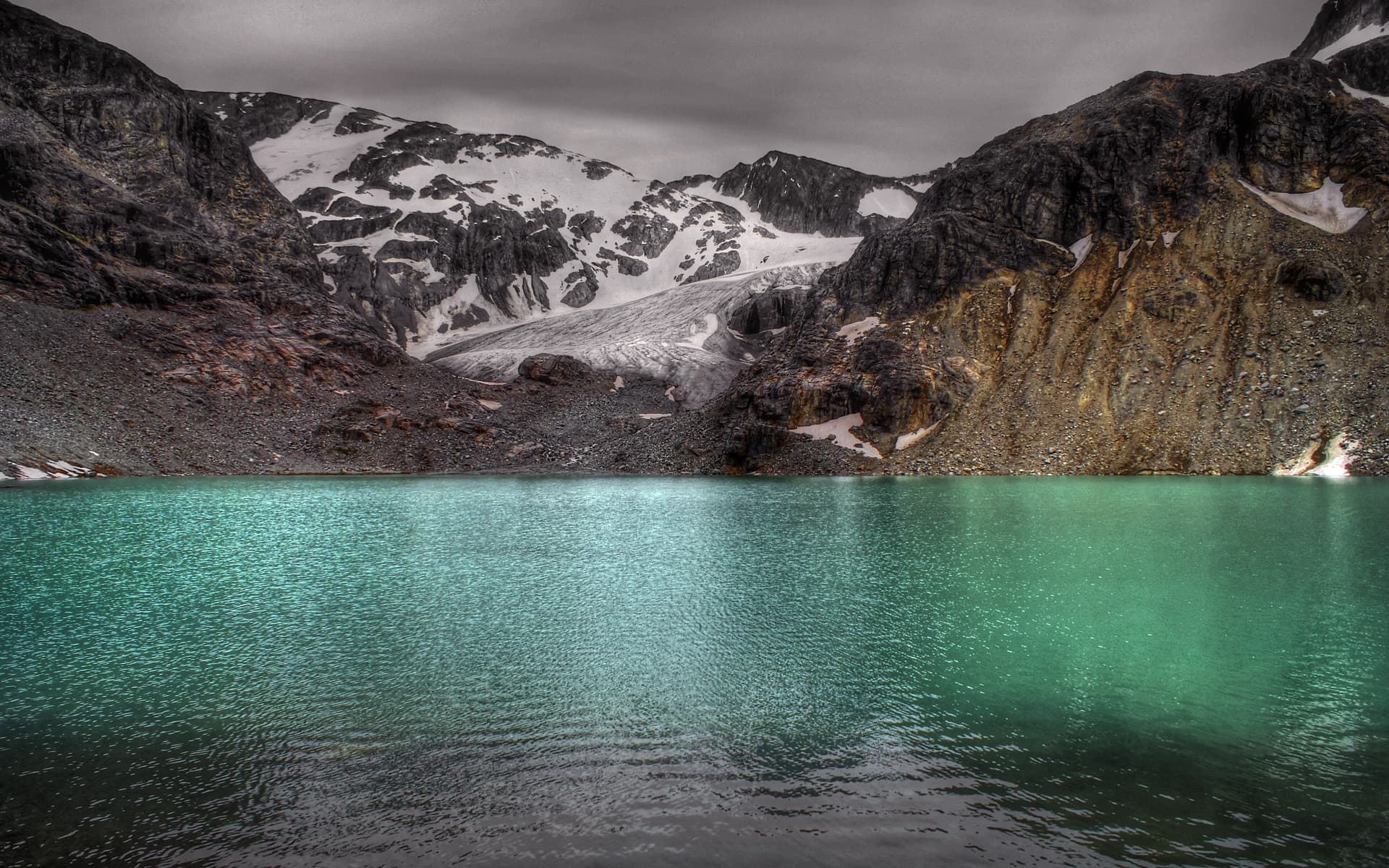
Wedgemount Lake: Hiking to a Turquoise Alpine Gem Near Whistler
A rewarding backcountry trek leads to glacial waters and sweeping mountain views in British Columbia’s Coast Range.
8 August 2026
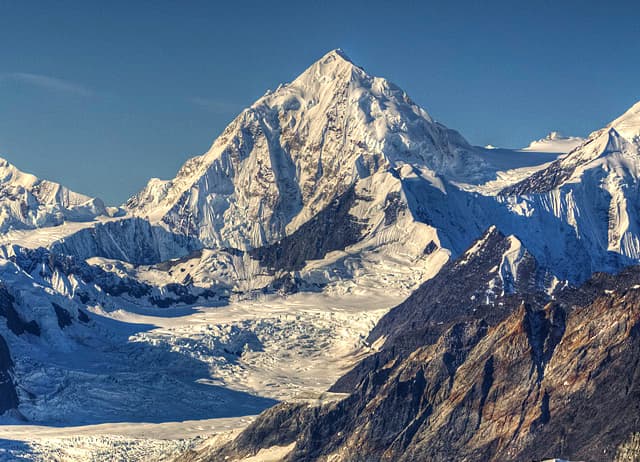
Discover the glaciated heights and pristine wilderness surrounding Mount Quincy Adams in northern British Columbia.
Mount Quincy Adams rises dramatically in the Saint Elias Mountains within Tatshenshini-Alsek Provincial Park, forming part of a vast UNESCO World Heritage site shared with Alaska. At over 4,000 metres, this remote peak offers sweeping views of icefields, deep valleys, and untouched river corridors that define one of North America’s largest protected wilderness areas.
Access begins in Haines, Alaska, or Whitehorse, Yukon, followed by floatplane or helicopter charters into the park’s interior. No roads reach the mountain; visitors typically arrange multi-day expeditions with licensed operators who handle logistics across the international border. River rafting down the Tatshenshini or Alsek rivers provides an alternative scenic approach for those combining climbing with paddling.
July and August bring the longest daylight and most stable weather windows for high-alpine travel. Snow cover remains extensive year-round on upper slopes, while lower valleys support wildflowers and wildlife activity during these summer months. Shoulder seasons carry higher avalanche and weather risks.
Experienced mountaineers target the north or west ridges for technical ascents over snow and rock. Non-climbers enjoy basecamp hikes along moraines, wildlife viewing for grizzlies and mountain goats, and photography of massive glaciers spilling from the peak’s flanks. The surrounding park offers world-class river rafting and multi-day backpacking routes through dramatic canyons.
Just across the border lies Glacier Bay National Park, while the Alsek River corridor leads toward Lowell Glacier and the vast icefields of Kluane National Park. The remote settlement of Yakutat provides the nearest services for resupply before or after a trip.
Keep reading
A rewarding backcountry trek leads to glacial waters and sweeping mountain views in British Columbia’s Coast Range.
Yes. The mountainu2019s remote location and technical terrain make guided or highly experienced self-supported expeditions essential for safety.
Most visitors fly in by helicopter or floatplane from Haines or Whitehorse; river access via raft is possible but adds significant time.
No. The peak demands advanced mountaineering skills; beginners should consider easier trails in the lower Tatshenshini River valley instead.
There are no services or infrastructure; all supplies must be carried in and waste packed out.
Yes. Many expeditions continue across the border into Glacier Bay after climbing or rafting the Alsek corridor.
This serene lake in British Columbia’s Rockies delivers quiet paddling, trout fishing, and easy access to dramatic peaks…
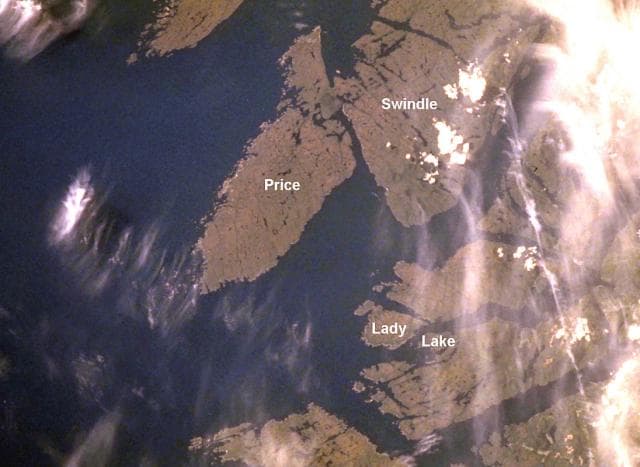
Discover pristine rainforest, marine wildlife, and quiet anchorages on this secluded island in the Inside Passage.