Why Mount Little Stands Out
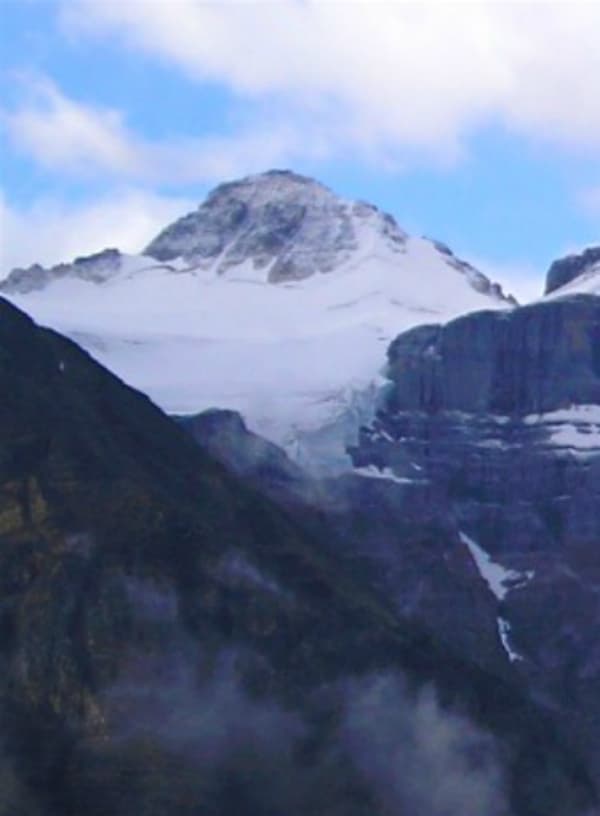
Mount Little rises to 3,078 metres in the Waputik Mountains of Yoho National Park, offering hikers and sightseers a less-crowded alternative to the busier peaks around Lake Louise. Its steep eastern face drops dramatically toward the Bow Valley while the western slopes connect to the Wapta Icefield, creating a textbook example of the dramatic topography that defines the Canadian Rockies.
How to Reach the Mountain
The most common access begins from the Trans-Canada Highway near Field, British Columbia. Drivers continue west from Lake Louise and turn onto the Yoho Valley Road or use trailheads along the Icefields Parkway. From there, established hiking routes lead through subalpine forest to the treeline and then onto rocky ridges that give close-up views of the summit block. Those seeking a longer approach can start from the Lake O’Hara area and follow the high trail system that skirts the mountain’s southern flanks.
Best Time to Visit
July through early September provides the most reliable snow-free conditions on the upper slopes. Wildflowers peak in late July, while September brings cooler temperatures and fewer insects. Early-season hikers should carry ice axes and know how to use crampons, as lingering snow patches can persist into July on north-facing aspects.
Activities on and Around Mount Little
Strong scramblers can ascend the southeast ridge for 360-degree views that include Mount Balfour, the Wapta Icefield, and the distant peaks of Banff National Park. Photographers favor the ridge for sunrise shots that catch alpenglow on the surrounding ice. Less ambitious visitors enjoy the high meadows below the summit for picnics and wildlife watching; mountain goats and hoary marmots are frequently seen. In winter, experienced ski mountaineers tour the lower glaciers, though the terrain demands avalanche training and proper equipment.
Nearby Destinations Worth Combining
After a day on Mount Little, travelers often continue to Emerald Lake for a flat lakeside walk or drive the short distance to Takakkaw Falls, Canada’s second-highest waterfall. The historic town of Field offers basic services and a small museum, while the Lake O’Hara bus reservation system opens access to one of the most scenic cirques in the range.
Practical Planning Notes
- Cell service is nonexistent beyond the highway corridor; download offline maps in advance.
- Bears are active throughout the valley; carry bear spray and hike in groups.
- Park passes are required for all vehicles entering Yoho National Park.