Why Emerald Lake Stands Out
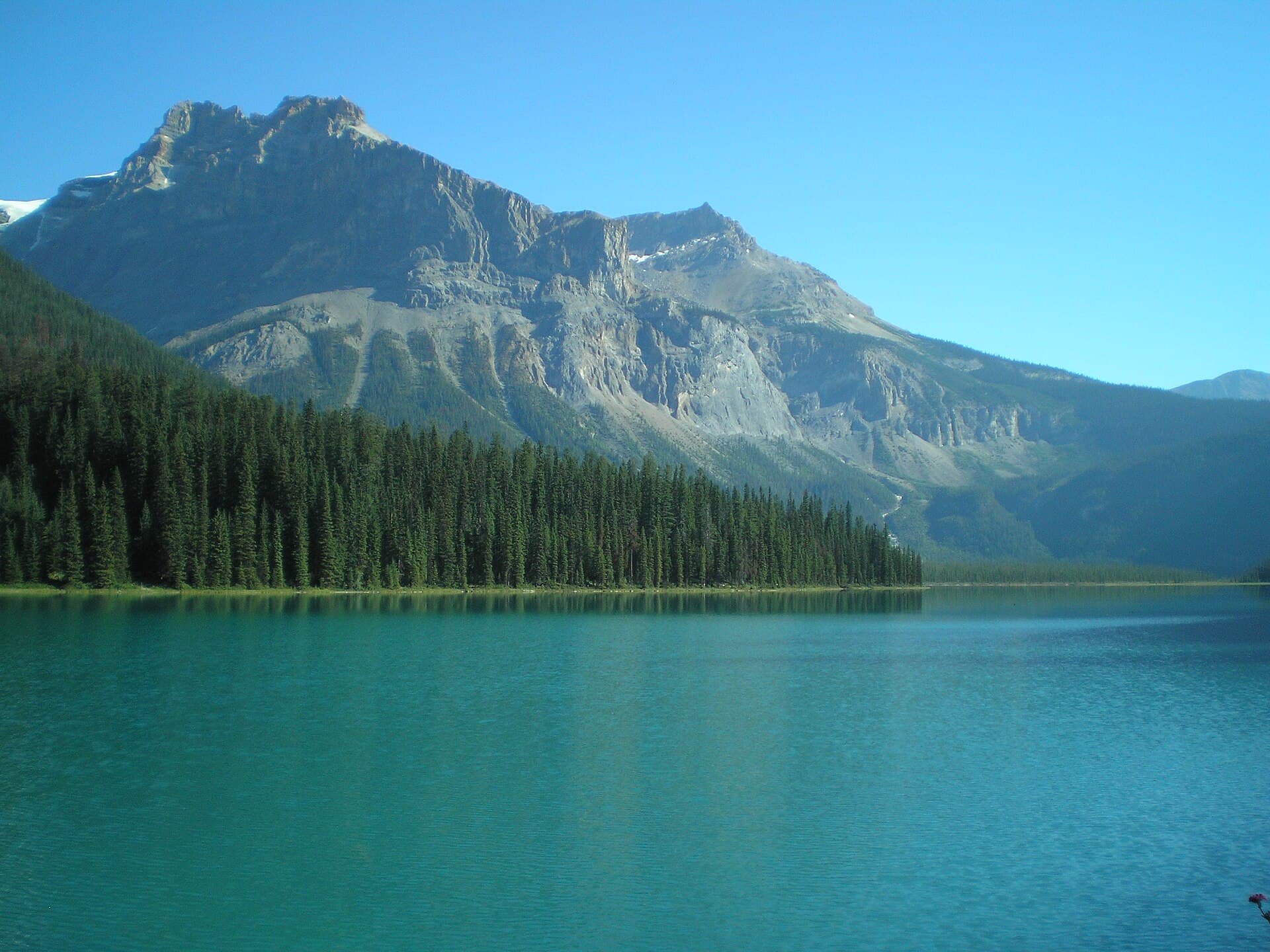
Emerald Lake owes its intense turquoise hue to fine glacial rock flour suspended in the water, a natural phenomenon that intensifies under summer sunlight. Set beneath the sheer cliffs of the President Range and ringed by dense subalpine forest, the lake offers one of the most striking visual contrasts in the Canadian Rockies. Its location within Yoho National Park places it among other geological wonders, yet the lake itself remains the focal point for most visitors.
Things to See and Do
The 5-kilometre Emerald Lake Loop Trail is the most popular activity, a mostly flat path that circles the entire shoreline with boardwalks over marshy sections and several viewpoints of the lake and surrounding peaks. Allow two to three hours for the full circuit, including time for photography. In summer, canoe and kayak rentals allow closer exploration of the water; the short crossing to the historic Emerald Lake Lodge offers a different perspective and access to the lodge’s veranda. Winter transforms the frozen surface into a natural skating rink, with snowshoe or cross-country ski rentals available nearby.
Photography and Wildlife
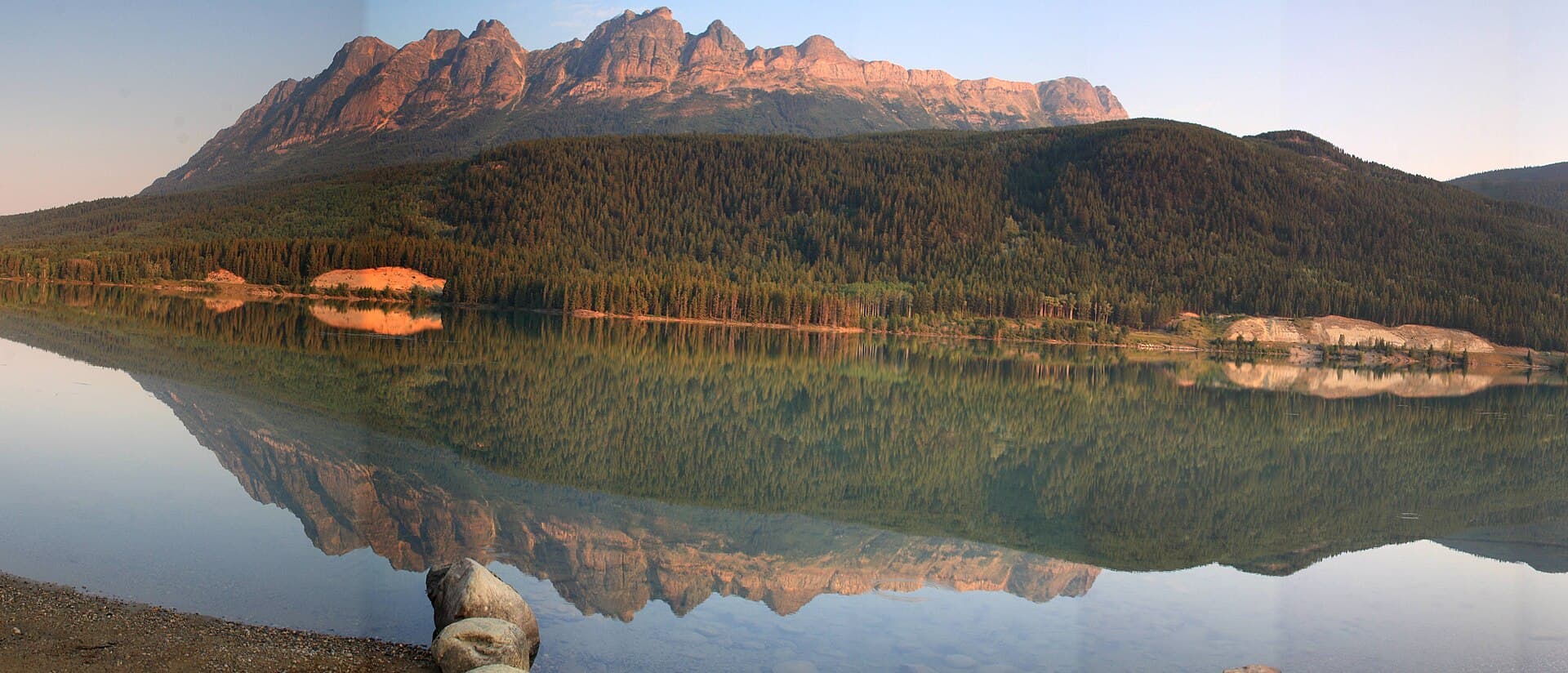
Early morning light often produces mirror-like reflections of Mount Burgess and the surrounding ridges. Look for hoary marmots along the trail and occasional sightings of mule deer in the meadows. The lake’s outlet stream provides a reliable spot for viewing American dippers year-round.
How to Get There
Emerald Lake lies 10 kilometres west of Field, British Columbia, along the well-signed Emerald Lake Road off the Trans-Canada Highway. The final stretch is a narrow, winding road that climbs steadily; large RVs are discouraged. Parking fills quickly on summer weekends, so arriving before 9 a.m. or after 4 p.m. improves chances of a spot. No public transit reaches the lake directly, making a private vehicle or organized tour the practical options.
Best Time to Visit
July through early September brings the strongest color in the water and full trail access, though afternoon thunderstorms are common. Late June and September offer fewer crowds and lingering wildflowers or fall colors. Winter visits require winter tires and awareness of avalanche conditions on surrounding slopes, yet deliver solitude and the unique experience of walking or skating across the frozen lake.
Nearby Attractions
Combine a lake visit with the short drive to Takakkaw Falls, one of Canada’s highest waterfalls, or the scenic viewpoint at Kicking Horse Pass. The Burgess Shale fossil beds lie within day-hiking distance for those with advance reservations for guided tours. Field itself provides basic services and a small visitor centre with information on current park conditions.