Keep reading
Nearby & related
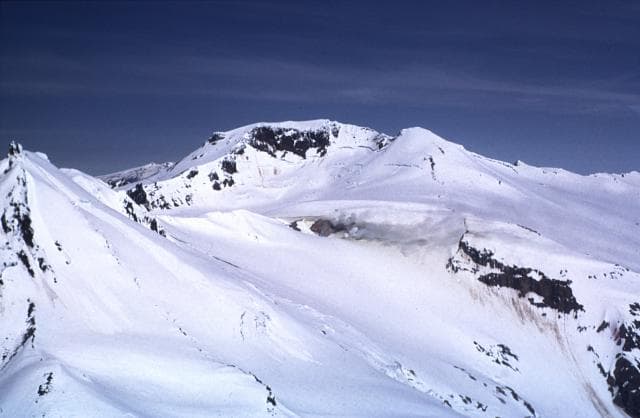
Mount Kupreanof: Hiking Alaska’s Remote Volcanic Summit
A practical guide to reaching and exploring this isolated peak on the Alaska Peninsula.
16 August 2026
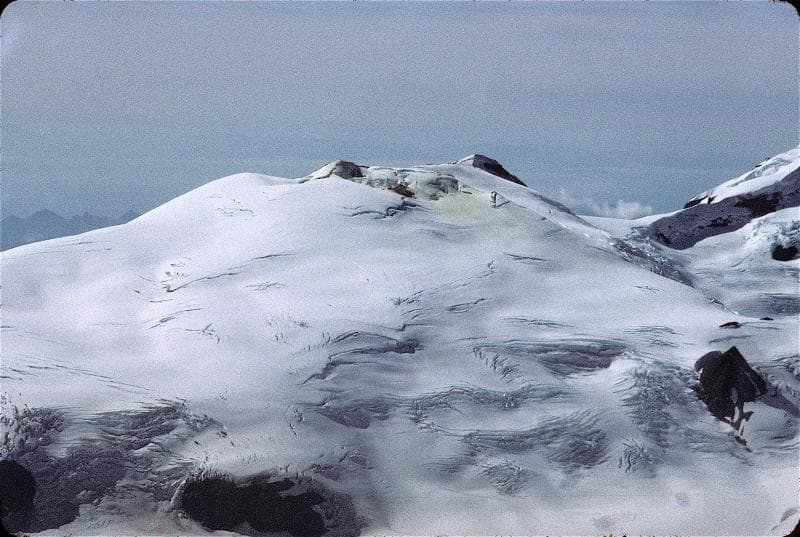
A guide to exploring the rugged trails, bear habitat, and volcanic landscapes of Mount Kukak in Alaska's Katmai National Park.
Mount Kukak rises in the Aleutian Range within Katmai National Park and Preserve, offering visitors a rare chance to experience untouched volcanic terrain far from crowds. Its slopes provide sweeping views of the surrounding tundra, lakes, and distant peaks while sitting near historic eruption sites that reshaped the region in 1912.
Access requires careful planning because no roads reach this corner of Lake and Peninsula Borough. Most travelers fly from Anchorage to King Salmon, then charter a floatplane for the final leg to lakes or coastal drop-off points near the mountain. Some visitors arrive by boat from Kodiak or other coastal communities when weather permits.
June through early September brings the most reliable weather and longest daylight for hiking and wildlife viewing. Snow lingers on higher slopes into July, so lower elevations offer the best early-season access. Fall colors appear by late August, though storms increase after mid-September.
Day hikes along ridgelines and stream valleys reveal colorful volcanic rock and alpine meadows. Longer backpacking routes connect to the Valley of Ten Thousand Smokes and nearby peaks. Anglers find excellent fishing for salmon and trout in the clear streams draining the mountain. Photographers prize the dramatic light over the coastal plain at sunset.
Brown bears frequent the area, especially along salmon runs in summer. Keep a respectful distance and carry bear spray. Moose, caribou, and numerous bird species also inhabit the tundra and shoreline habitats around the base of Mount Kukak.
Combine a visit with the Valley of Ten Thousand Smokes, Brooks Camp bear viewing platforms, or the remote coastline of Shelikof Strait. The park’s volcanic history is visible in ash deposits and fumaroles that still steam in places.
Keep reading
A practical guide to reaching and exploring this isolated peak on the Alaska Peninsula.
Trails are unmarked and the terrain is steep and rocky in places, making it suitable for experienced hikers comfortable with route-finding.
No developed facilities exist; visitors must be fully self-sufficient with all food, shelter, and safety gear.
Clear days offer distant views toward the Valley of Ten Thousand Smokes, though reaching the valley itself requires additional travel.
Yes, but Alaska fishing regulations apply and a license is required; check current limits for salmon and trout.
A park entrance pass covers most activities; backcountry camping requires no additional permit but registration at a ranger station is recommended.
Venture into one of Alaska’s most isolated protected areas to experience a vast volcanic caldera, abundant wildlife, and…
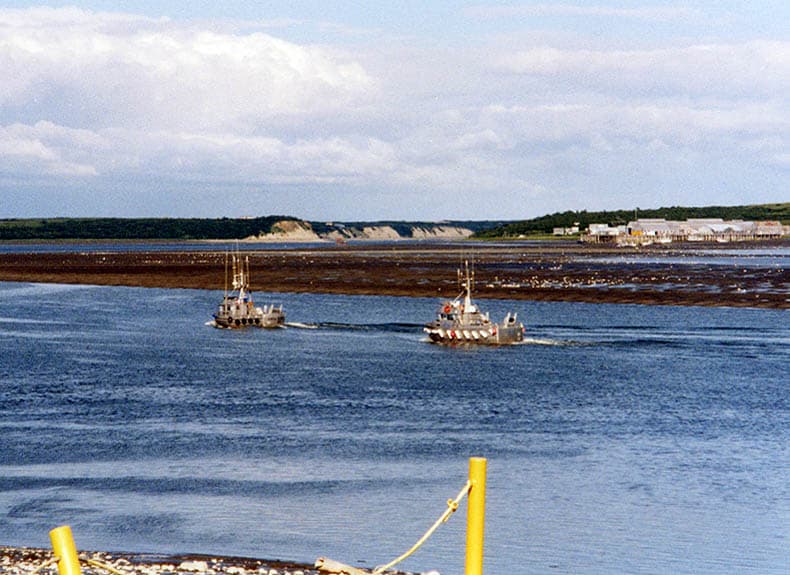
Experience world-class sockeye and king salmon fishing amid Alaska’s vast Bristol Bay wilderness.