Keep reading
Nearby & related
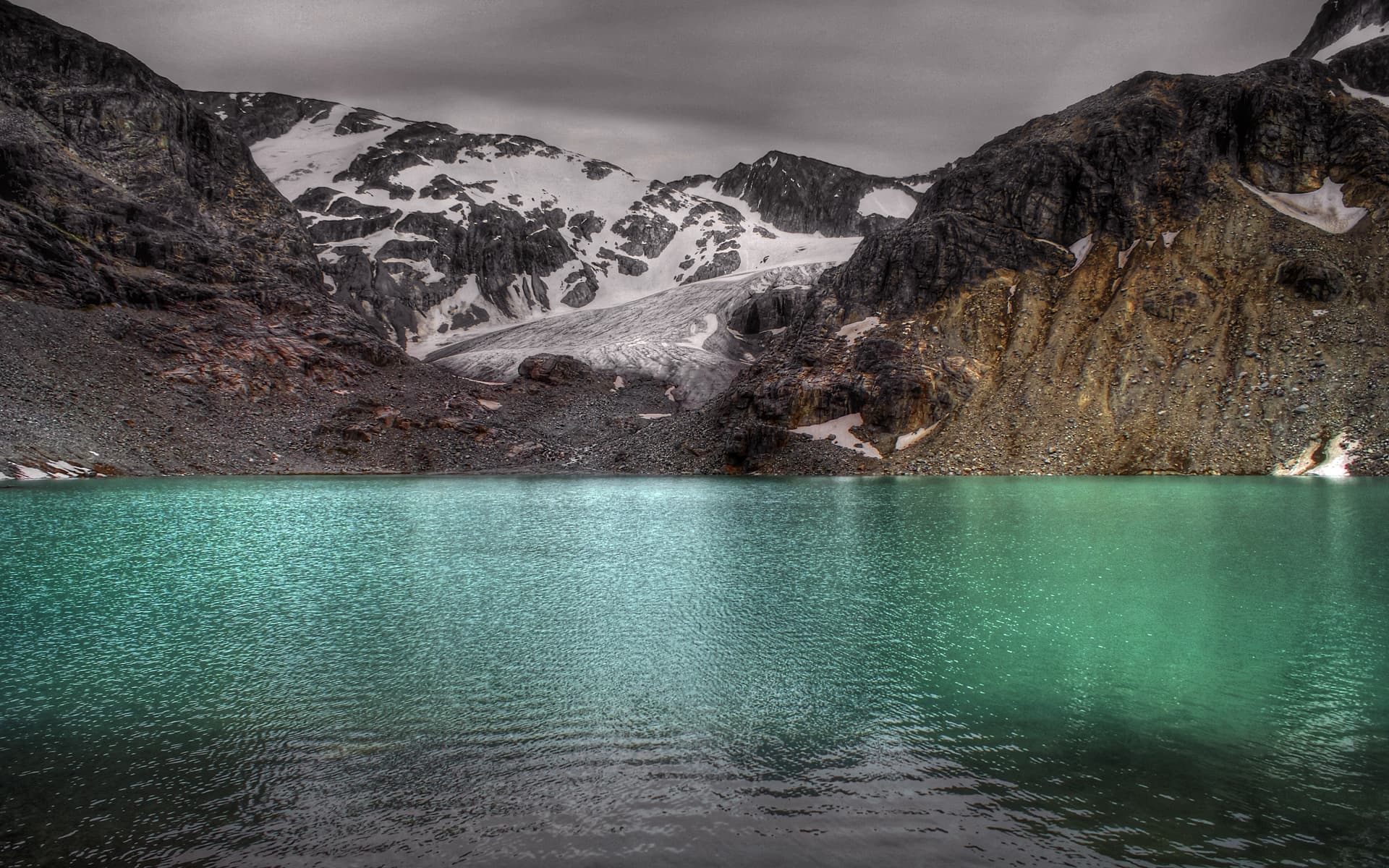
Wedgemount Lake: Hiking to a Turquoise Alpine Gem Near Whistler
A rewarding backcountry trek leads to glacial waters and sweeping mountain views in British Columbia’s Coast Range.
8 August 2026
Experience the solitude and dramatic alpine terrain of Mount King Edward, a striking summit in the Selwyn Range of British Columbia.
Mount King Edward rises prominently in the remote Selwyn Range of the Canadian Rockies, offering climbers and hikers a true wilderness experience away from crowded trails. At 2,830 metres, the peak provides sweeping views of surrounding icefields, deep valleys, and distant ranges that define the northern Rockies. Its isolation rewards those who seek technical challenge combined with untouched scenery rather than roadside viewpoints.
The mountain features steep rock faces and glacier remnants that create varied routes for experienced parties. From its summit, visitors can trace the flow of the Athabasca River valley and spot distant peaks such as Mount Columbia. The approach crosses subalpine meadows rich in wildflowers during summer and offers chances to observe mountain goats and grizzly bears in their natural habitat.
Access begins from the Icefields Parkway near Sunwapta Pass. Travelers drive to a signed trailhead for the Fryatt Valley or adjacent backcountry routes, then follow maintained paths that transition into unmaintained climber trails. High-clearance vehicles help on the final gravel sections, and a multi-day backpack is required to reach base camp below the peak. No public transport serves the area, so private vehicle or guided shuttle arrangements are essential.
July through early September offers the most reliable conditions for travel and climbing. Snow lingers into July on higher slopes, while August brings stable weather and longer daylight. September can deliver crisp days but introduces early snow risk. Winter ascents demand advanced avalanche training and are suitable only for highly experienced mountaineers.
Most visitors attempt the standard south ridge route, which involves moderate scrambling with occasional exposure. Those seeking more challenge pursue the north face or east glacier variations. Non-climbers enjoy multi-day hikes through the Fryatt Valley to alpine lakes and viewpoints that showcase the mountain without technical gear. Always carry glacier travel equipment and rope when venturing onto snow or ice.
Keep reading
A rewarding backcountry trek leads to glacial waters and sweeping mountain views in British Columbia’s Coast Range.
The standard route involves moderate scrambling with some exposure and requires glacier travel skills; it suits experienced hikers comfortable with route-finding and basic mountaineering techniques.
Backcountry camping permits are required within Jasper National Park; obtain them in advance through Parks Canada and check current trail conditions before departure.
Grizzly bears, black bears, mountain goats, and marmots are frequently seen; store food properly and maintain safe distances at all times.
No, the remote approach and technical sections make it unsuitable for novices; beginners should consider guided trips or easier nearby peaks first.
Most parties spend three to five days total, including travel to base camp, summit day, and return.
This serene lake in British Columbia’s Rockies delivers quiet paddling, trout fishing, and easy access to dramatic peaks…
Discover pristine rainforest, marine wildlife, and quiet anchorages on this secluded island in the Inside Passage.