Why Mount Isto Stands Out
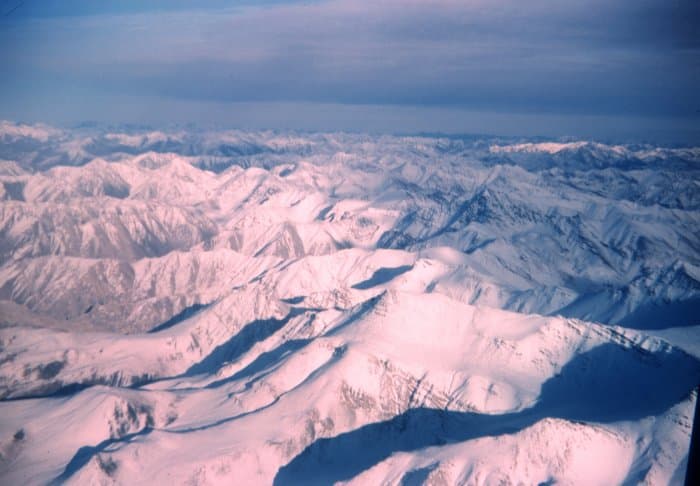
Mount Isto rises as the tallest point in Alaska’s Brooks Range, offering visitors an unmatched sense of isolation and scale. At nearly 9,000 feet, it anchors the Romanzof Mountains and provides sweeping views across tundra, glaciers, and river valleys within the Arctic National Wildlife Refuge. Its remoteness means few crowds, making it ideal for experienced hikers seeking genuine Arctic wilderness rather than developed trails or facilities.
Reaching the Mountain
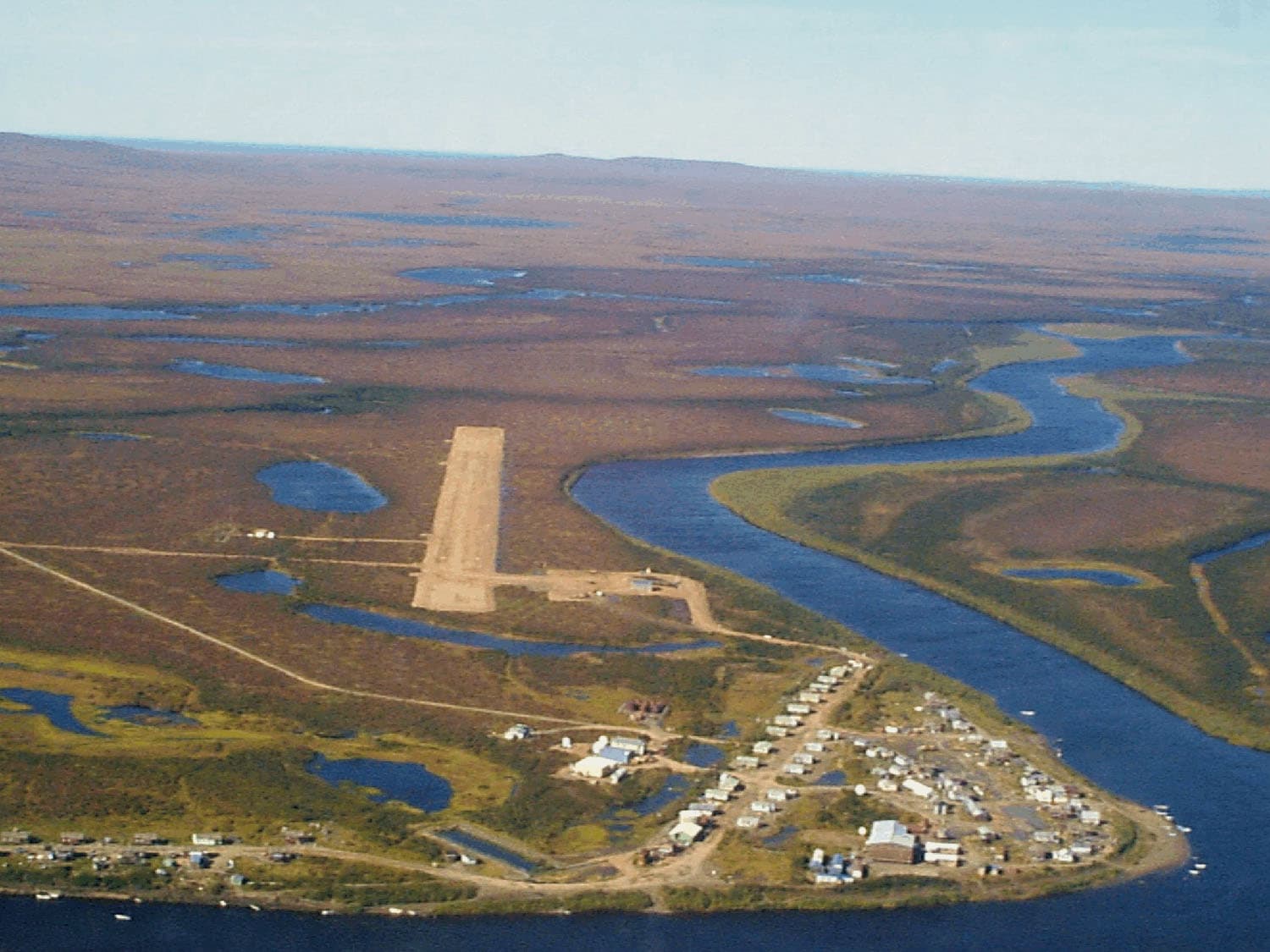
Access begins with flights to remote hubs such as Arctic Village or Kaktovik. From there, bush planes or helicopters deliver travelers to gravel bars or small lakes near the mountain’s base. No roads connect to the area, so all visitors rely on air charters arranged in advance. Once on the ground, travel shifts to foot or pack raft for river crossings along the Hulahula or Okpilak drainages.
Best Time to Visit
Late June through early September offers the longest window of relatively snow-free terrain and milder temperatures. Earlier in the season, lingering snow and high water complicate routes; later visits risk early storms and shorter daylight. Summer also brings constant daylight, though it coincides with peak mosquito activity and unpredictable weather.
Activities and Terrain
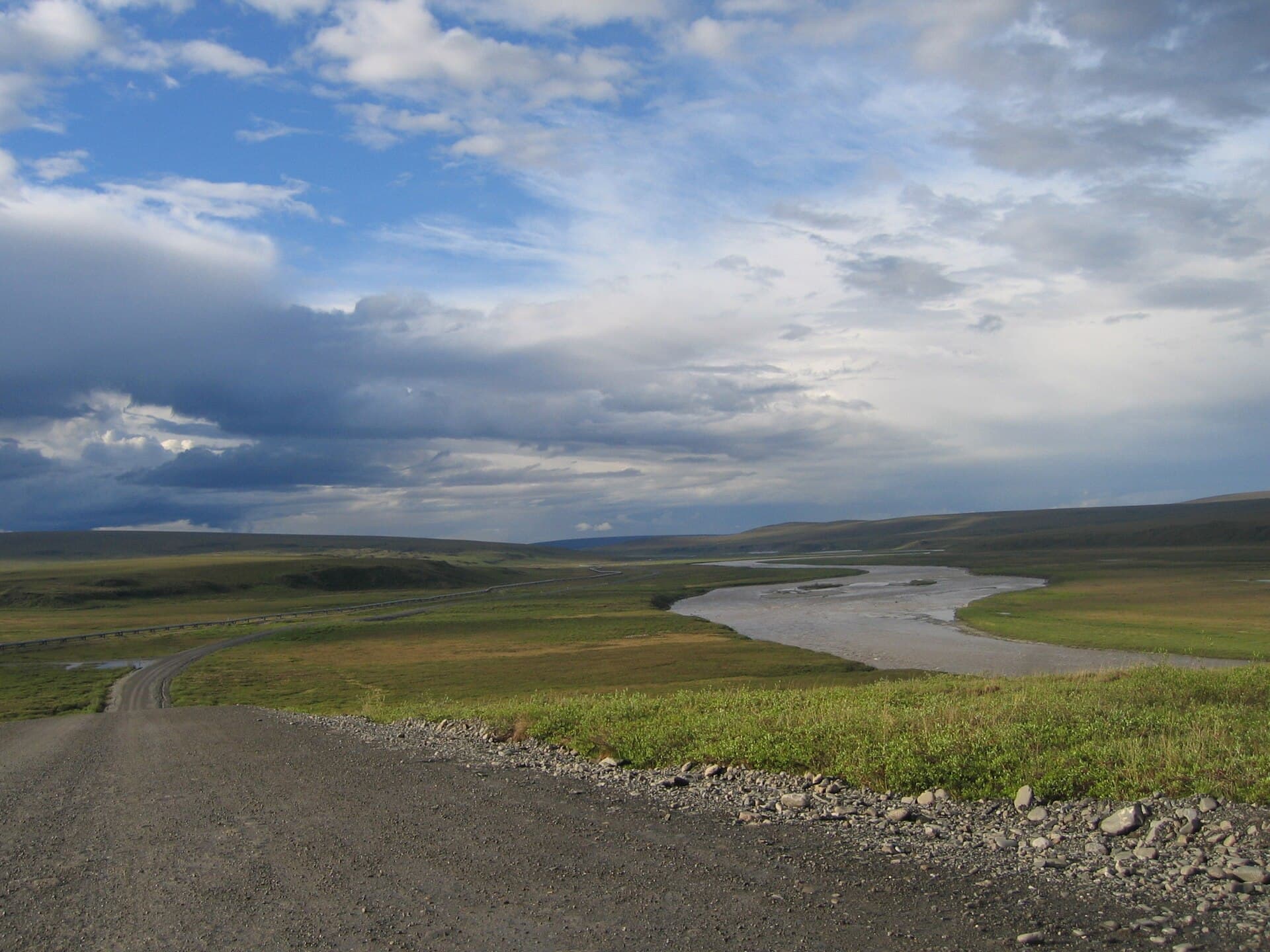
Most travelers attempt the multi-day approach and ascent on foot. The route involves crossing tussock tundra, navigating boulder fields, and gaining elevation gradually before steeper upper slopes. No maintained paths exist, requiring strong navigation skills with map and compass or GPS. Wildlife viewing—caribou, Dall sheep, grizzlies, and golden eagles—adds to the experience, while clear days reveal distant views of the Beaufort Sea coastal plain.
- Packrafting sections of the Hulahula River offers an alternative exit strategy.
- Photography and wildlife observation reward those who move quietly and camp in established spots.
- Overnight stays require full self-sufficiency, including bear-resistant food storage.
Nearby Options
From the same access points, travelers can extend trips to nearby summits such as Mount Michelson or explore the Canning River corridor. Coastal visits to the Arctic Refuge’s northern plain provide contrast between alpine and tundra ecosystems. All activities remain within designated wilderness, preserving the area’s pristine character for future visitors.