Skip to content
Plan & Tour
DestinationsItinerariesTravel BlogAboutContact
0Sign inPlan a trip
Plan & TourPlan & Tour

Travel guides, destination inspiration and curated itineraries for Canada, the USA and beyond, plus a free tool to plan your own day-by-day trip.

Get travel inspiration

Explore

  • All Destinations
  • Curated Itineraries
  • Travel Blog
  • Plan a Trip

Topics

  • Hiking & Nature
  • Food & Drink
  • City Breaks
  • Budget Travel

Company

  • About Us
  • Contact
  • Privacy Policy
  • Terms of Service

© 2026 Plan & Tour. Built for travellers.

Discover the world, one trip at a time.

Mount Iliamna: Alaska’s Remote Volcanic Giant in the Kenai Peninsula
  1. Home
  2. Destinations
  3. Kenai Peninsula Borough
  4. Mount Iliamna: Alaska’s Remote Volcanic Giant in the Kenai Peninsula
Mountain

Mount Iliamna: Alaska’s Remote Volcanic Giant in the Kenai Peninsula

A guide to exploring the glaciers, fumaroles, and wild terrain of this active stratovolcano within Lake Clark National Park.

Kenai Peninsula BoroughUpdated 13 August 2026

Why Mount Iliamna Draws Adventurers

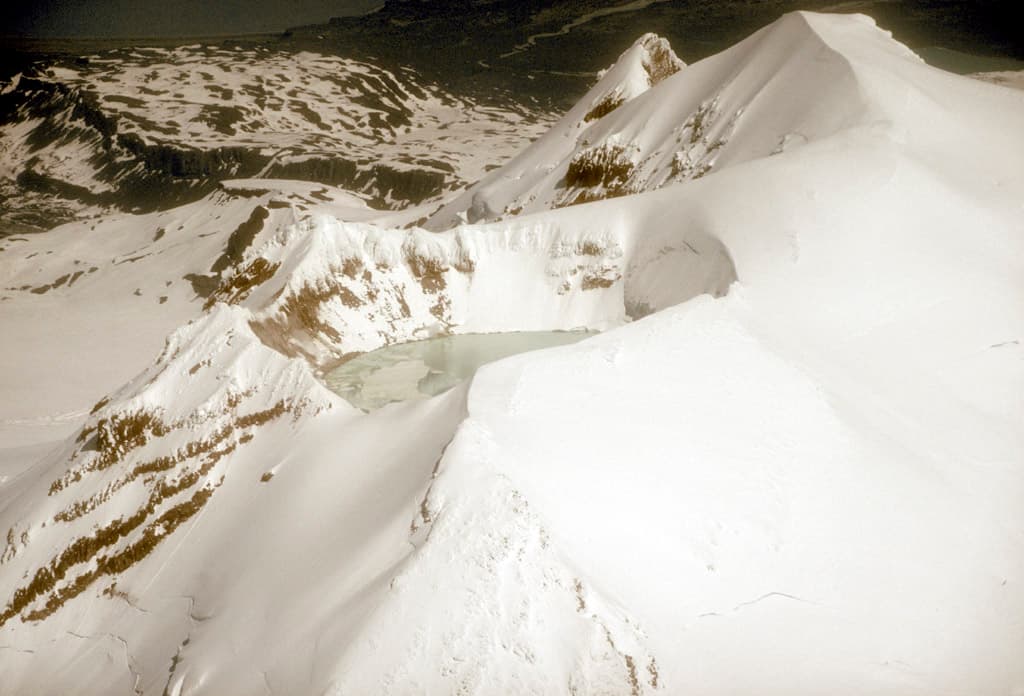
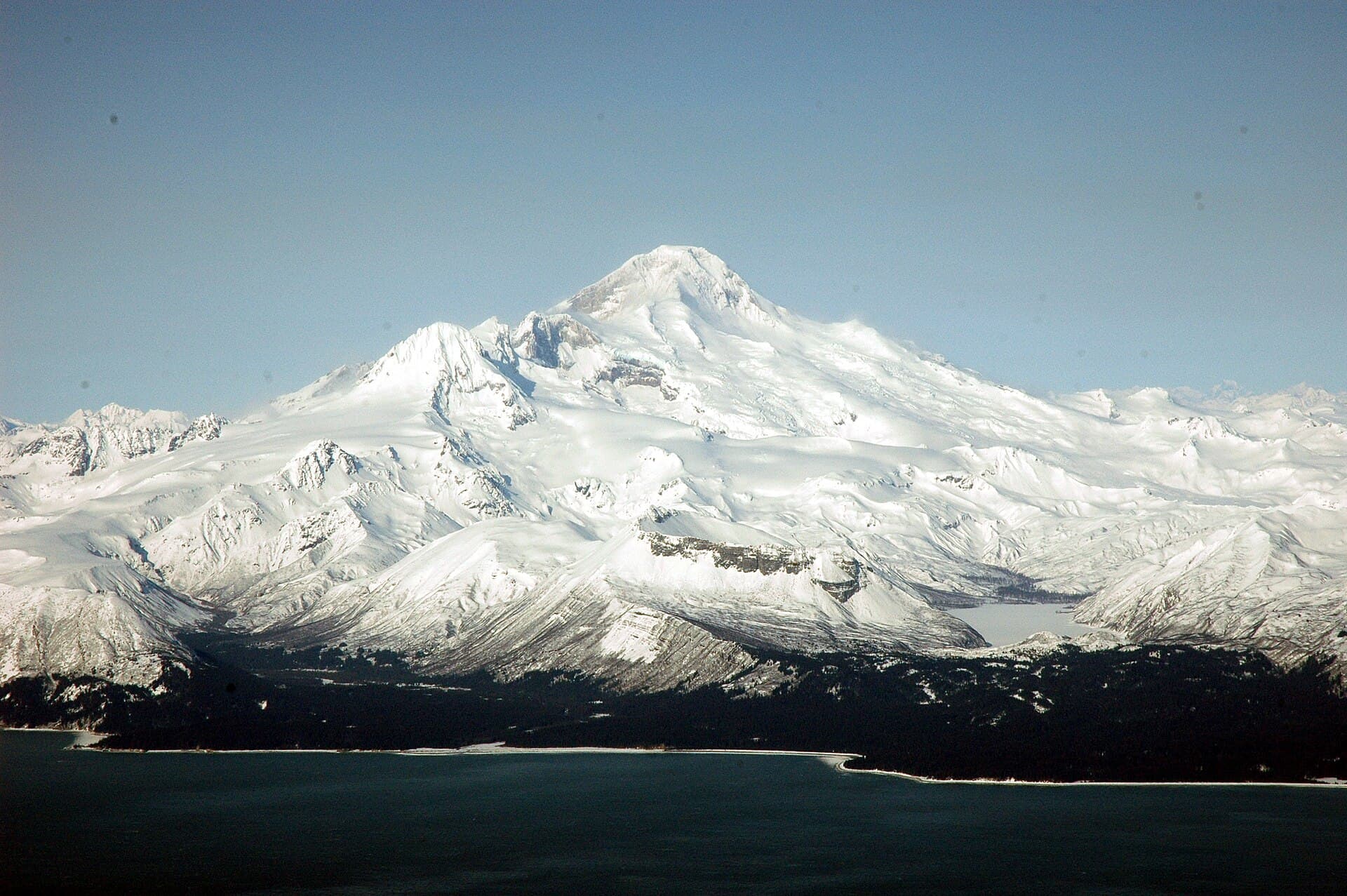
Mount Iliamna rises dramatically from the western edge of Cook Inlet, its 10,016-foot summit often shrouded in clouds or marked by persistent steam plumes from active fumaroles. As part of the Aleutian volcanic arc, the mountain combines classic stratovolcano form with extensive ice fields that feed several glaciers. Its isolation within Lake Clark National Park and Preserve creates a true wilderness experience rarely found near more accessible peaks.

Reaching the Mountain

Most visitors arrive by small aircraft from Anchorage or Homer, landing on nearby lakes or gravel bars. Floatplane flights offer the most direct access and allow aerial views of the mountain’s ice-covered slopes and the surrounding Chigmit Mountains. Boat travel from the Kenai Peninsula side of Cook Inlet is possible but requires careful timing with tides and weather. Once on the ground, all travel is on foot or by air taxi; no roads reach the peak.

Best Time to Visit

June through early September offers the longest daylight and most stable flying weather, though snow can linger on higher routes into July. Late summer provides the best window for glacier travel and wildlife sightings before autumn storms arrive. Winter visits are limited to experienced mountaineers equipped for extreme cold and avalanche risk.

What to See and Do

Strong climbers attempt the standard West Face route, which involves glacier travel and moderate technical sections. Those seeking less committing outings can hike lower valleys or camp near the base for close views of icefalls and steam vents. Wildlife viewing is excellent: brown bears frequent river corridors, while Dall sheep and mountain goats occupy higher slopes. Photographers often position themselves across the inlet for classic shots of the volcano’s symmetrical cone rising above tidewater.

Nearby Attractions

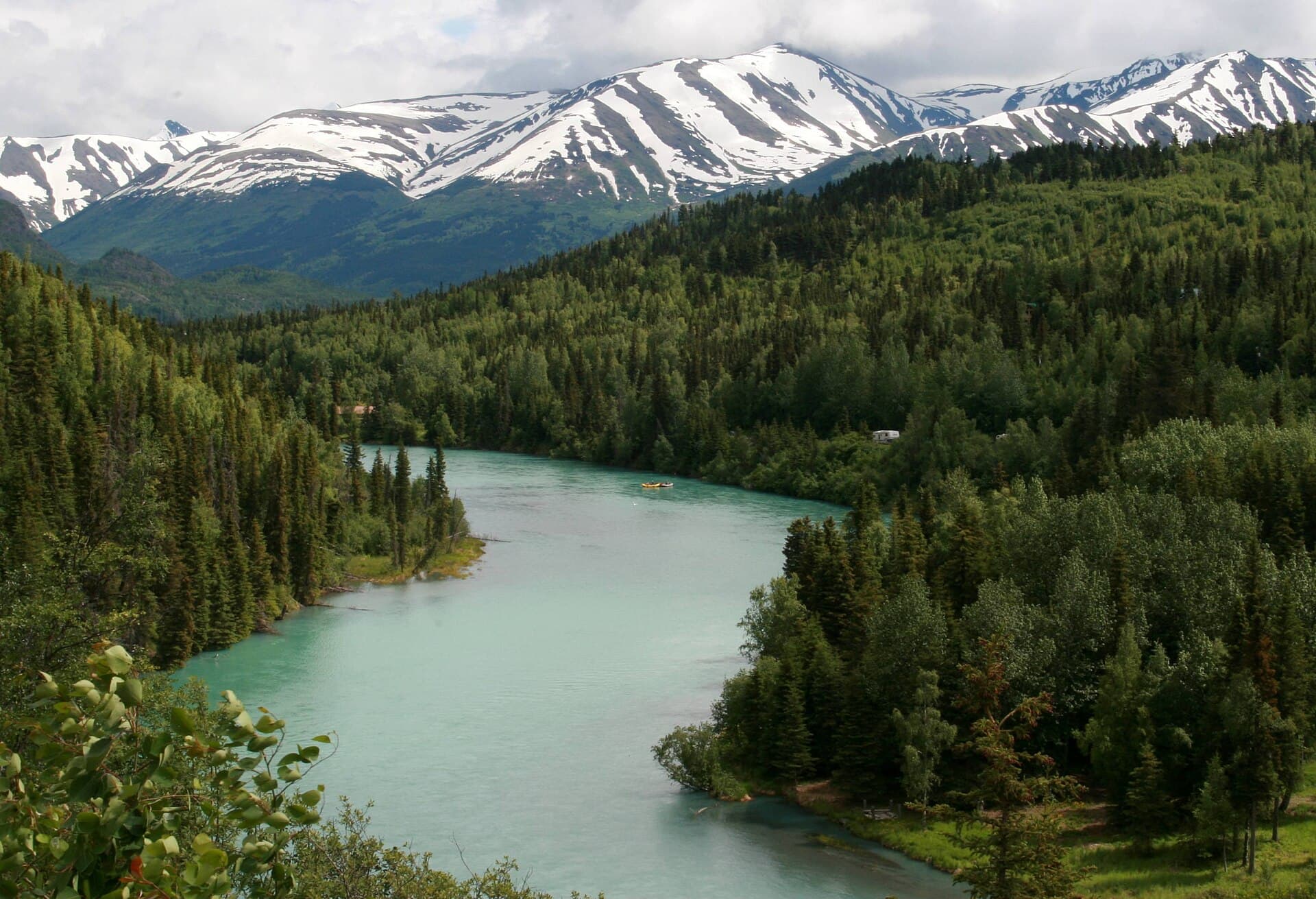
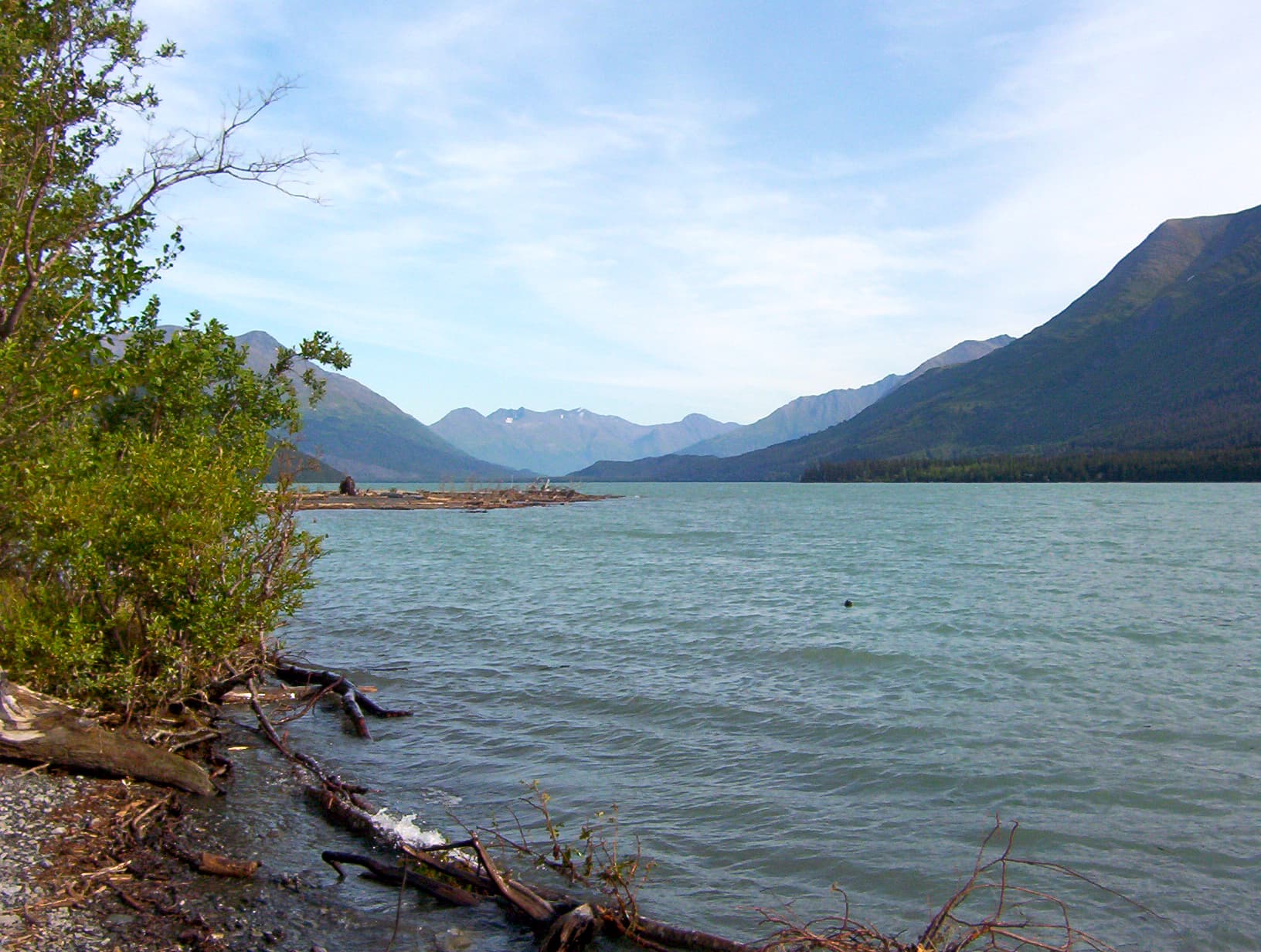
Combine a trip with visits to Redoubt Volcano to the north or the turquoise lakes and rivers of Lake Clark National Park. Coastal areas along Cook Inlet offer sea-kayaking and marine mammal watching, while the small community of Iliamna provides basic services and cultural context from its Dena’ina heritage.

Visitor tips

  • Hire a local air taxi or guide familiar with glacier routes; self-navigating the ice is hazardous even for experienced hikers.
  • Pack layers for rapid weather changes and carry bear spray plus food-storage containersu2014brown bears are active throughout the area.
  • Check current volcanic activity reports before departure; fumarole output can affect air quality near the summit.

Frequently asked questions

Is Mount Iliamna an active volcano?+

Yes, it remains geologically active with ongoing fumaroles that produce visible steam plumes year-round.

Do I need a permit to climb Mount Iliamna?+

No climbing permit is required, but visitors must follow National Park Service regulations for backcountry travel and bear safety.

How difficult is the climb to the summit?+

The standard route involves glacier travel and moderate ice climbing; it is considered a serious alpine endeavor best attempted with a guide.

Can I see Mount Iliamna without flying?+

Distant views are possible from the Kenai Peninsula shoreline on clear days, but close access requires air or boat travel.

What wildlife is most commonly seen around the mountain?+

Brown bears, Dall sheep, mountain goats, and bald eagles are frequently observed in the valleys and lower slopes.

Share
Google Maps Apple Maps Directions

Image: Game McGimsey (U.S. Geological Survey, Alaska Volcano Observatory) · Public domain · via Wikimedia Commons

Keep reading

Nearby & related

All stories
Mount Redoubt: Hiking Alaska’s Active Volcano in Lake Clark National Park
Kenai Peninsula Borough

Mount Redoubt: Hiking Alaska’s Active Volcano in Lake Clark National Park

Experience the raw power and pristine wilderness of Mount Redoubt, a towering stratovolcano offering remote hikes,…

13 August 2026